
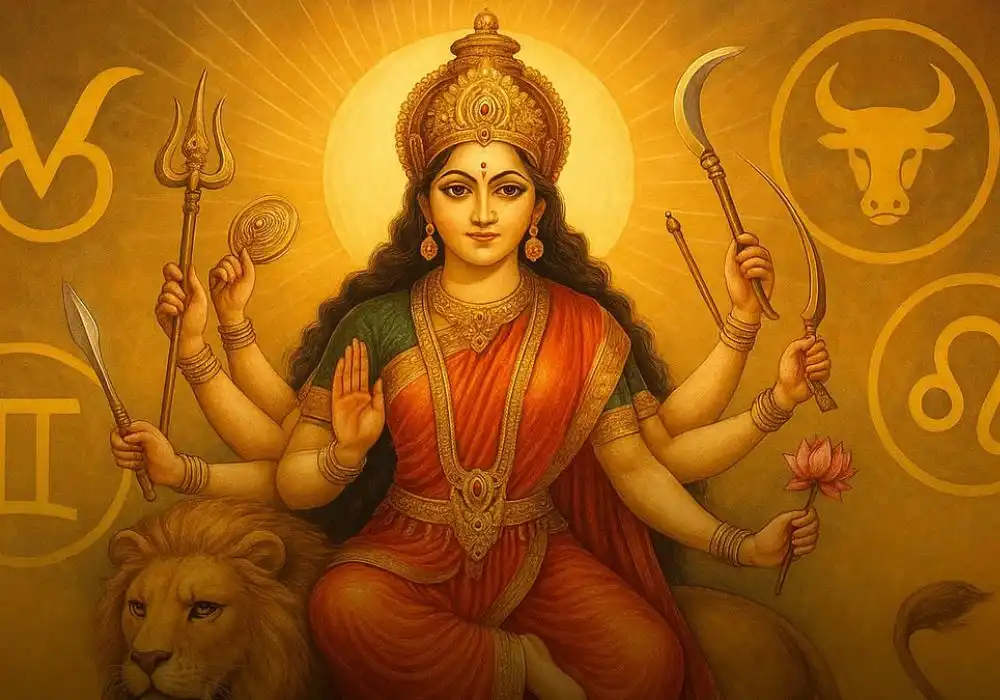
The vibrant tapestry of Indian culture is not just a source of national pride; it’s a rich reservoir of knowledge frequently tested in competitive examinations across the spectrum, from UPSC and SSC to PSC, NID, NIFT, and other government recruitment drives. Understanding our nation’s diverse festivals, historical sites, and cultural nuances can significantly boost your scores in General Knowledge, Current Affairs, and even Essay papers. Let’s delve into one such significant event, Sharadiya Navratri, and uncover how its intricacies offer a direct pathway to acing your exams.
T: Why Cultural Festivals Matter for Your Exams
Every year, as autumn descends, India resonates with the spiritual fervor of Sharadiya Navratri. This nine-night festival, dedicated to Goddess Durga and her nine divine forms, embodies the strength, creativity, and spiritual energy of the feminine divine. For an aspiring candidate, it’s more than just a celebration; it’s a live lesson in Indian heritage, geography, and socio-cultural practices. Examiners often leverage such widely celebrated events to craft questions that assess your awareness of national culture, important landmarks, and historical-religious contexts. Knowing the ‘why’, ‘what’, ‘where’, ‘when’, and ‘how’ of such festivals isn’t just about general awareness; it’s about demonstrating a comprehensive understanding of India’s foundational elements, a critical skill for any public service role. Never miss an important event with our daily current affairs updates for exams.
Unveiling Navratri: A Deep Dive into Devotion and Knowledge
Navratri, literally meaning “nine nights,” is observed twice a year: Chaitra Navratri in spring and Sharadiya Navratri in autumn. Sharadiya Navratri, the more widely celebrated of the two, marks the victory of Goddess Durga over the demon Mahishasura, symbolizing the triumph of good over evil. Across India, the celebrations vary, but the core essence of worshipping the Mother Goddess remains consistent. From the Durga Puja pandals of Bengal to the Garba and Dandiya Raas dances of Gujarat, and the reverence shown at ancient Shakti Peethas, each regional variation offers unique insights into India’s incredible diversity. For your exams, it’s crucial to identify these regional specificities, their associated rituals, and the historical narratives that underpin them.
Maharashtra’s Spiritual Gems: The Shakti Peethas Every Aspirant Should Know
A significant aspect of Navratri, particularly relevant for general knowledge, revolves around the Shakti Peethas. Legend has it that these sacred sites across the Indian subcontinent mark the places where parts of Goddess Sati’s body fell after Lord Shiva carried her remains. Out of the fifty-one primary Shakti Peethas spread across the country, Maharashtra alone proudly hosts three and a half exceptionally revered ones. These include the potent shrine of Shree Tulja Bhavani in Tuljapur, the magnificent temple of Shree Mahalakshmi in Kolhapur, the revered Renuka Mata temple in Mahur (Nanded district), and the holy abode of Saptashrungi Devi near Vani, Nashik, which is often counted among the significant half-Shakti Peethas due to its unique energy. Understanding the geographical location, historical importance, and presiding deity of each of these temples is paramount. Questions frequently arise in competitive exams regarding these specific sites, testing your knowledge of India’s temple architecture, pilgrimage routes, and the cultural landscape of various states.
From Festivals to Facts: How to Ace Cultural GK in Competitive Exams
To convert your cultural awareness into examinable knowledge, focus on key details. For festivals like Navratri, pinpoint the specific dates (according to the Hindu calendar), the deities worshipped, the core mythological stories, and any unique regional celebrations. For places like the Shakti Peethas, remember their exact location (district, state), the name of the deity, and any associated historical or architectural facts. This is where a structured approach to learning pays off. Instead of merely reading news about the festival, analyze it for factual content relevant to your exam syllabus. MyEntrance.in’s daily news quizzes and current affairs sections are designed precisely to highlight these ‘exam-worthy’ facts from everyday events, turning a simple news item into a valuable study resource.
Your MyEntrance.in Advantage: Interactive Learning for Cultural Acumen
At MyEntrance.in, we understand that mastering subjects like Static General Knowledge, Current Affairs, and cultural insights requires more than just rote memorization. Our platform offers a dynamic suite of educational resources tailored for your success. Our interactive examinations and detailed answers help you test your understanding of cultural topics, ensuring you can recall facts under pressure. Our daily news quizzes distill crucial information from current events, including cultural festivals, directly into an easy-to-digest format. Furthermore, our comprehensive course materials provide in-depth explanations of historical and cultural phenomena, enabling you to build a strong foundational knowledge that will serve you well across all competitive examinations. By integrating daily engagement with our content, you can transform your general awareness into a powerful tool for exam success.
Expert Advice: Integrating Culture into Your Exam Strategy
To truly excel, integrate cultural learning into your daily study routine. Dedicate specific time to reading about Indian history, art, and culture. Use maps to identify the locations of important temples, historical sites, and regions famous for particular festivals. Participate in daily news quizzes offered by MyEntrance.in to reinforce your learning and stay updated. Discuss cultural topics with fellow aspirants to gain different perspectives. Remember, competitive exams aren’t just about facts; they’re about understanding the interconnectedness of our nation’s past and present. By embracing the rich tapestry of Indian culture, you’re not just preparing for an exam; you’re becoming a more informed and well-rounded individual, ready for the challenges of public service. Our expertly compiled static general awareness guide is crucial for success.
Frequently Asked Questions (FAQs)
1. What is the significance of Sharadiya Navratri in the context of competitive exams?
Sharadiya Navratri is a major Hindu festival with deep cultural, historical, and geographical significance. For competitive exams, it’s crucial because questions often relate to important festivals, their mythological origins, associated deities, regional celebrations (like Garba, Durga Puja), and specific pilgrimage sites (like Shakti Peethas). Understanding this festival helps candidates ace questions in Static GK, Current Affairs, and Indian Culture sections of exams like UPSC, SSC, and PSC.
2. Can you explain the concept of ‘Shakti Peethas’ and their relevance to general knowledge?
Shakti Peethas are revered shrines and pilgrimage destinations in Shaktism, a tradition of Hinduism. They are believed to be the places where the body parts of Goddess Sati fell after her self-immolation. There are 51 prominent Shakti Peethas across India and neighboring countries. Their relevance to general knowledge lies in their historical importance, unique architecture, geographical locations, and the specific deities worshipped there, making them frequent subjects for questions in competitive exams.
3. Which specific Shakti Peethas in Maharashtra are frequently asked about in exams?
Maharashtra is home to three and a half significant Shakti Peethas that are often tested in competitive exams. These include the revered Shree Tulja Bhavani Temple in Tuljapur (Osmanabad district), the magnificent Shree Mahalakshmi Temple in Kolhapur, the sacred Renuka Mata Temple in Mahur (Nanded district), and the holy Saptashrungi Devi Temple near Vani (Nashik district), which is considered one of the ‘Ardhya Shakti Peethas’ or half-Shakti Peethas.
4. How do platforms like MyEntrance.in help aspirants prepare for cultural questions in UPSC, SSC, and PSC exams?
MyEntrance.in provides specialized resources designed to help aspirants master cultural questions. Our interactive examinations feature questions on festivals, history, and geography, accompanied by detailed answers. The daily news quizzes distill exam-relevant cultural facts from current events, while our comprehensive course materials offer in-depth explanations and analyses of Indian culture, heritage, and significant landmarks, ensuring a well-rounded preparation.
5. What are some effective strategies to remember cultural facts like festival dates, locations, and associated deities for exams?
Effective strategies include linking facts to maps (visual memory for locations), creating mnemonics for names and dates, regularly attempting daily news quizzes, making concise notes focusing on ‘who, what, when, where, why,’ and discussing topics with peers. Consistency in revision and engaging with diverse cultural content, such as that offered by MyEntrance.in, are key to long-term retention and application.





