
The vibrant cultural mosaic of Assam is incomplete without understanding its indigenous communities. Among them, the Moran community holds a significant place, offering a compelling narrative of history, resilience, and unique traditions. For anyone preparing for competitive examinations like UPSC, SSC, PSC, NID, NIFT, or other government recruitment tests, delving into the specifics of such communities provides crucial insights into static general knowledge, cultural heritage, and regional history, often appearing in current affairs and general awareness sections. Get exam-ready with our concise daily news summaries and quizzes.
Who are the Morans and Why are They Important?
The Moran community is an integral indigenous ethnic group predominantly residing in the upper reaches of Assam. They are not merely inhabitants but have been pivotal in shaping the region’s historical trajectory and cultural identity. Understanding the Morans means grasping a vital piece of North East Indian heritage. Their distinct language, rich cultural practices, and historical contributions, especially their interactions and conflicts with the mighty Ahom kingdom, make them a fascinating subject for study and a frequent topic in general knowledge assessments. Their story encapsulates themes of sovereignty, cultural preservation, and socio-political evolution within a broader regional context.
A Journey Through Moran History
The Morans are believed to be an ancient community, predating the arrival of the Ahoms in Assam. Historically, they were known for their independent spirit and their own distinct chieftainships. Their presence is deeply intertwined with the early political landscape of Assam. When the Ahoms, led by Sukapha, arrived in the Brahmaputra Valley in the 13th century, they encountered indigenous groups like the Morans and the Borahis. Initially, there were diplomatic ties, and the Ahoms assimilated some of their customs and knowledge, particularly regarding agriculture and local administration.
However, over time, the relationship often turned tumultuous. The Morans, along with other communities, periodically revolted against Ahom suzerainty, seeking to reclaim their autonomy. The most significant historical development linked to the Morans is the rise of the Matak kingdom in the late 18th century. Following the Moamoria Rebellion, a prolonged and devastating conflict against the Ahom rulers, a section of the Moran community, under the leadership of Sarbananda Singha, established an independent Matak kingdom. This kingdom, though relatively short-lived in its full independence, marked a powerful assertion of Moran identity and control, leaving an indelible mark on Assam’s political history. This period of upheaval and resistance is crucial for understanding the dynamics of power and community assertion in pre-colonial Assam.
Unraveling Moran Culture and Language
The cultural heritage of the Moran community is incredibly rich and vibrant. Their traditional lifestyle is deeply rooted in agriculture, particularly tea cultivation, which they embraced early on. They possess a unique dialect, often referred to as Moran dialect, which is closely related to Assamese but carries distinct phonetic and lexical features, reflecting their separate historical evolution.
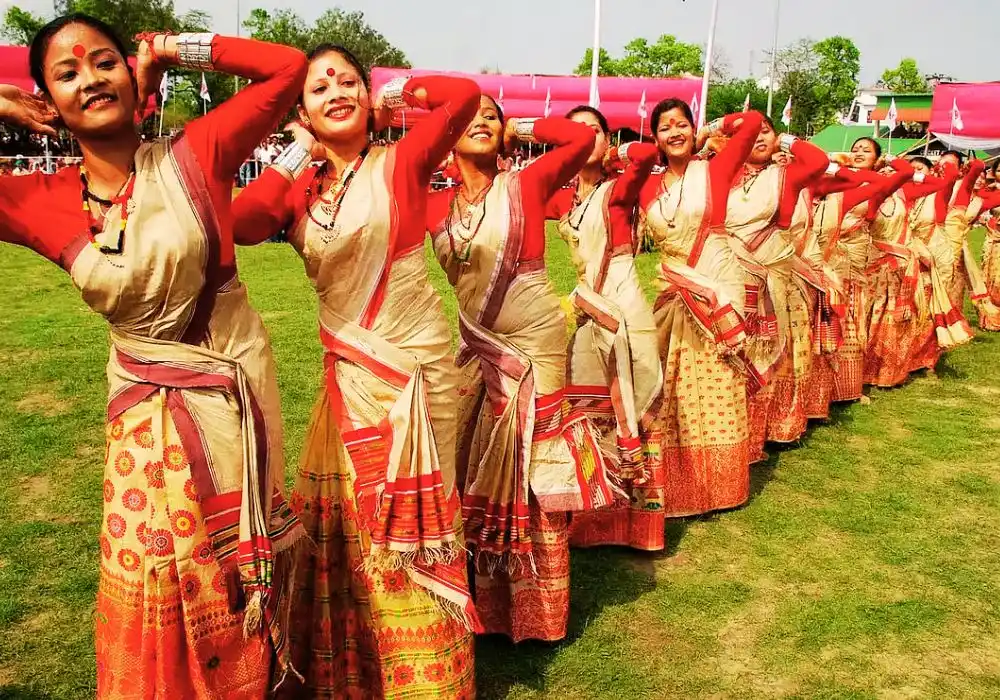
Moran culture is expressed through their traditional attire, folk songs, dances, and festivals. Their music and dance forms often narrate their history, everyday life, and spiritual beliefs. Festivals are celebrated with great zeal, offering a glimpse into their community spirit and connection with nature. Traditional customs related to birth, marriage, and death also highlight their unique social structure and belief systems. The community has also contributed significantly to the region’s artistic and spiritual landscape, often blending their indigenous practices with broader Assamese traditions. Preserving this distinct cultural identity in the modern era remains a key aspect of their community life.
The Moran Community Today: Relevance for Your Exams
Today, the Moran community continues to thrive, maintaining its cultural distinctiveness while integrating into the broader Assamese society. Their history of resistance, the establishment of the Matak kingdom, and their contributions to the region’s cultural fabric are vital pieces of information for any student preparing for competitive exams. Questions on indigenous communities, regional history, socio-cultural movements, and linguistic diversity frequently appear in General Studies papers for UPSC, state PSCs, and even specialized design entrance exams like NID/NIFT which test general awareness. Studying the Moran community offers a deeper understanding of historical power struggles, cultural resilience, and the diverse heritage of India, providing you with an edge in your preparation. Master all important facts with this comprehensive static GK resource for competitive exams.
Frequently Asked Questions (FAQs)
Q1: What is the primary geographical region where the Moran community resides in Assam?
A1: The Moran community primarily resides in the upper districts of Assam, particularly in areas like Tinsukia, Dibrugarh, and parts of Sivasagar.
Q2: What significant historical event is closely associated with the Moran community’s assertion of independence?
A2: The Moran community played a crucial role in the Moamoria Rebellion, which led to the establishment of the independent Matak kingdom under their leadership in the late 18th century, challenging the Ahom rule.
Q3: How does the Moran language relate to Assamese?
A3: The Moran community speaks a dialect that is closely related to Assamese, often referred to as the Moran dialect. While sharing many similarities, it retains distinct phonetic and lexical characteristics reflecting its unique historical trajectory.
Q4: Why is it important for competitive exam aspirants to study the Moran community?
A4: Studying the Moran community provides essential knowledge on indigenous groups, regional history, socio-cultural movements, and linguistic diversity of India, which are recurring topics in General Studies papers for UPSC, state PSCs, and other government examinations.
Q5: What are some key cultural aspects that define the Moran community?
A5: Key cultural aspects include their traditional agricultural practices (especially tea cultivation), unique folk songs and dances, vibrant festivals, distinctive traditional attire, and a rich history of preserving their indigenous customs and spiritual beliefs.





