
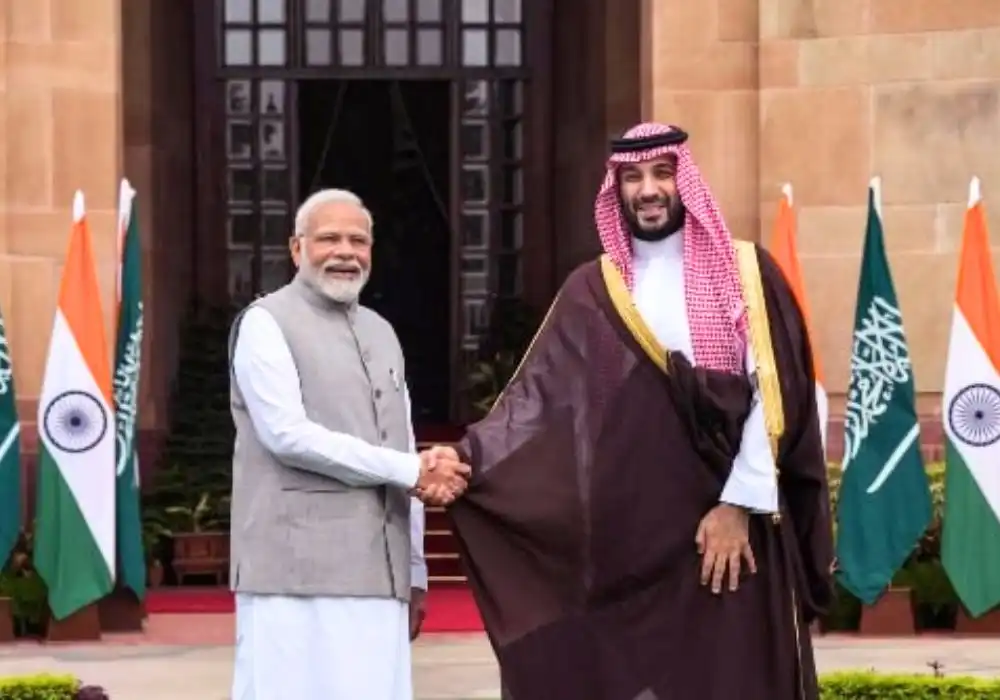
Understanding the intricate dynamics of international relations is crucial for any aspirant preparing for competitive examinations like UPSC, SSC, PSC, or other government exams. Recently, India has underscored its principled approach to foreign policy amidst significant geopolitical shifts, particularly concerning its strategic partners and regional security challenges. This involves a delicate balancing act, as seen in its recent overtures to Saudi Arabia and its consistent call for unified global action against terrorism. Our platform offers reliable static general knowledge material that is fact-checked and accurate.
India’s Diplomatic Message to Saudi Arabia
When nations engage in strategic partnerships, it naturally draws the attention of other key players in the region. Following reports of a defence pact signed between Saudi Arabia and Pakistan, India promptly conveyed its expectations to Riyadh. India emphasized the importance of considering “mutual interests and sensitivities” in their bilateral strategic ties. This isn’t just diplomatic jargon; it’s a clear signal from New Delhi. It signifies India’s desire for its own security concerns and geopolitical interests to be acknowledged and respected, especially when a partner nation forms alliances that could potentially impact regional stability or India’s security calculations. For aspirants, understanding this nuance is key to grasping how countries manage complex, multi-layered relationships in a globalized world. It highlights the concept of non-alignment and strategic autonomy, where India seeks to maintain good relations while safeguarding its core interests.
A Unified Front Against Terrorism: India’s Unwavering Call
Beyond bilateral specifics, India has consistently championed a robust global response to the scourge of terrorism. It has repeatedly urged the international community to strengthen and intensify collective efforts to counter terrorism in all its forms and manifestations. This unwavering stance is rooted in India’s long experience with cross-border terrorism. Importantly, India has made it unequivocally clear that the world is well aware of the deep-seated nexus between various terror outfits and the Pakistani state and its military apparatus. This assertion comes in the backdrop of continuous monitoring of terror activities, including recent videos emerging from Pakistan that showcase such elements. This strategic communication serves a dual purpose: it reiterates India’s firm commitment to national security and puts global pressure on nations that tacitly or overtly support terrorism. For current affairs sections, tracking India’s consistent position on this issue provides valuable context for understanding its foreign policy objectives and its role on the global stage.
Why These Developments Matter for Your Exams
These diplomatic engagements and strong statements are not isolated incidents; they are integral components of India’s foreign policy framework. For candidates appearing in various examinations, understanding these dynamics provides essential context for questions on international relations, current affairs, and even static general knowledge topics related to India’s neighbors and key global partners. Knowing the ‘why’ behind India’s statements – its national interests, security concerns, and historical positions – allows for a more comprehensive and analytical answer. It helps you connect the dots between events, foresee potential geopolitical shifts, and articulate the implications for India’s strategic autonomy and regional influence. Bookmark this page for the latest gk updates for competitive exams.
Frequently Asked Questions (FAQs)
Q1: What was India’s primary message to Saudi Arabia regarding its defence pact with Pakistan?
A1: India urged Saudi Arabia to consider “mutual interests and sensitivities” when forging bilateral strategic ties, implicitly asking Riyadh to acknowledge and respect India’s security concerns and geopolitical stance in the region.
Q2: What is India’s consistent stand on global terrorism?
A2: India consistently advocates for strengthening and intensifying global efforts to combat terrorism in all its forms and manifestations, calling for a united international front against this global threat.
Q3: How does India characterize Pakistan’s involvement with terror outfits?
A3: India has explicitly stated that the world is fully aware of the established nexus between various terrorist organizations and the Pakistani state and its military apparatus.
Q4: Why is understanding these diplomatic events important for competitive exam aspirants?
A4: These events are crucial for comprehending India’s foreign policy, international relations, and current affairs. They provide context for questions on regional security, counter-terrorism strategies, diplomatic engagements, and geopolitical shifts, helping aspirants offer well-rounded and analytical answers.
Q5: What does “mutual interests and sensitivities” imply in the context of India’s message to Saudi Arabia?
A5: It implies that while Saudi Arabia has the right to form alliances, India expects its strategic partner to be mindful of how such partnerships might affect India’s security, regional balance, and broader strategic concerns, encouraging a balanced approach that considers all stakeholders.





