
Understanding India’s Developmental Momentum
In today’s dynamic socio-economic landscape, staying informed about major government initiatives and their impact is paramount for anyone aspiring to excel in competitive examinations. Such events are not just news; they are critical insights into the nation’s progress, policy direction, and economic strategies. Recently, a significant series of development projects were unveiled in Gujarat, embodying a forward-looking vision for India’s coastal regions. This event provides a rich reservoir of information for current affairs, static general knowledge, and even potential essay topics for exams like UPSC, SSC, PSC, and others. The art of cramming effectively for your entrance test is explained in this resource.
The Vision: ‘Samudra se Samriddhi’ – Prosperity from the Seas
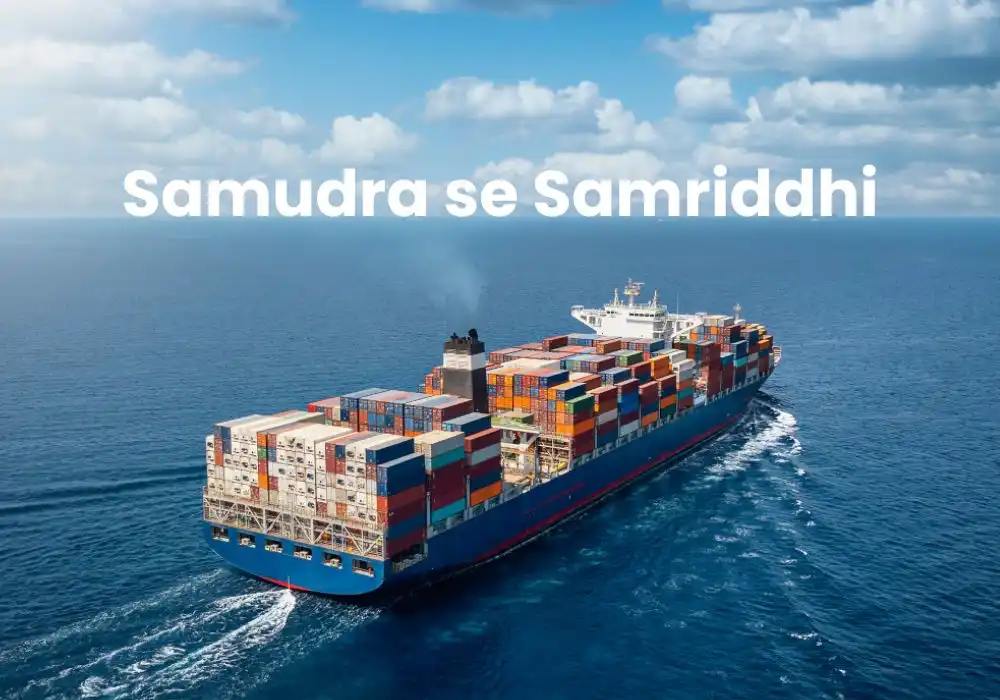
The central theme of these recent initiatives is encapsulated in the phrase ‘Samudra se Samriddhi,’ which translates to ‘Prosperity from the Seas.’ This vision underscores the immense potential of India’s vast coastline as a catalyst for economic growth, industrial development, and job creation. It represents a strategic pivot towards harnessing maritime resources and enhancing port-led development to uplift regional economies and integrate them more strongly with national and international trade networks. For exam aspirants, understanding this concept involves recognizing the government’s emphasis on blue economy, coastal infrastructure, and sustainable development goals.
Samudra se Samriddhi Key Project Details
These transformative development projects, valued at several thousand crores of rupees, were launched and inaugurated during a significant event held in Bhavnagar, Gujarat. This southwestern state, with its extensive coastline, has historically been a hub for trade and maritime activities, making it an ideal location for such a concentrated push towards coastal development. The timing of such launches often aligns with broader national development agendas, reflecting ongoing efforts to boost infrastructure and create economic opportunities across various sectors. Aspiring candidates should note the specific location and the general scope of investment as potential questions in objective-type exams.
The How and Why: Impact and Strategic Importance
The multi-pronged development projects encompass a wide array of sectors, including modern port infrastructure, enhanced connectivity, renewable energy initiatives, and urban development. By strengthening the port capabilities, these projects aim to improve logistics efficiency, reduce transit times for goods, and boost import-export capabilities. Furthermore, investments in renewable energy, often linked to coastal areas (e.g., offshore wind, solar parks), signify India’s commitment to sustainable development and energy security. Urban development projects, on the other hand, aim to enhance the quality of life for citizens in the regions surrounding these economic hubs.
For competitive exams, it’s crucial to connect these projects with broader national schemes and policies. Think about their alignment with initiatives like Sagarmala, which focuses on port-led development, or the broader ‘Make in India’ and ‘Atmanirbhar Bharat’ campaigns that seek to bolster domestic manufacturing and self-reliance. The long-term impact includes job creation, enhanced trade volumes, regional economic upliftment, and a strengthened position for India in global maritime commerce.
Relevance for Competitive Examinations
Events like the launch of ‘Samudra se Samriddhi’ projects are quintessential current affairs. They offer a comprehensive case study for various subjects:
* Current Affairs: Direct questions on the initiative’s name, location, and primary objectives.
* Indian Economy: Understanding the role of infrastructure, maritime trade, and port-led development in GDP growth and employment.
* Geography: Knowledge of coastal states, major ports, and strategic maritime locations.
* Government Schemes & Policies: Connecting these projects to existing national programs focused on infrastructure, energy, and regional development.
* Essay Writing/Descriptive Tests: Providing rich content for essays on ‘Blue Economy,’ ‘Infrastructure Development in India,’ or ‘Regional Disparities and Growth.’
Therefore, a thorough understanding of the ‘why,’ ‘what,’ ‘where,’ ‘when,’ and ‘how’ of such initiatives is not just about staying updated but about building a robust knowledge base critical for exam success. Follow this last-minute study plan for aspirants to structure your final hours of study.
Frequently Asked Questions and Answers on Samudra se Samriddhi
Q1: What is the core idea behind the ‘Samudra se Samriddhi’ vision?
A1: The core idea behind ‘Samudra se Samriddhi’ is to leverage India’s extensive coastline and maritime potential to drive economic growth, industrial development, and overall prosperity. It focuses on port-led development, improving coastal infrastructure, and harnessing marine resources sustainably to benefit regional economies and the nation.
Q2: In which region of India were these significant development projects recently launched, focusing on coastal areas?
A2: These significant development projects, aimed at coastal enhancement, were recently launched and inaugurated in Bhavnagar, Gujarat. Gujarat, with its long coastline and strategic location, is a key state for India’s maritime development initiatives.
Q3: How do large-scale infrastructure projects, like those in Gujarat, contribute to national development and economic growth?
A3: Large-scale infrastructure projects contribute immensely by enhancing connectivity, improving logistics efficiency, attracting investment, creating numerous job opportunities, and boosting trade. Specifically, port infrastructure projects reduce costs, increase trade volumes, and integrate regional economies more effectively into national and global supply chains, thereby stimulating overall economic growth.
Q4: What types of projects were typically included in these recent multi-crore development initiatives?
A4: The recent multi-crore development initiatives typically include a diverse range of projects. These often encompass the development of modern port facilities, construction and upgradation of road and rail connectivity to ports, establishment of renewable energy projects (like solar or wind farms), and urban development initiatives aimed at improving civic amenities and living standards in the surrounding regions.
Q5: Why is keeping updated on such government initiatives crucial for competitive exam aspirants?
A5: Staying updated on government initiatives like ‘Samudra se Samriddhi’ is crucial for competitive exam aspirants because these events form a significant part of current affairs, general knowledge, and economic policy. They provide context for questions in various subjects, including Indian Economy, Geography, Government Schemes, and can be critical content for essay writing or descriptive papers, directly impacting exam scores.





