
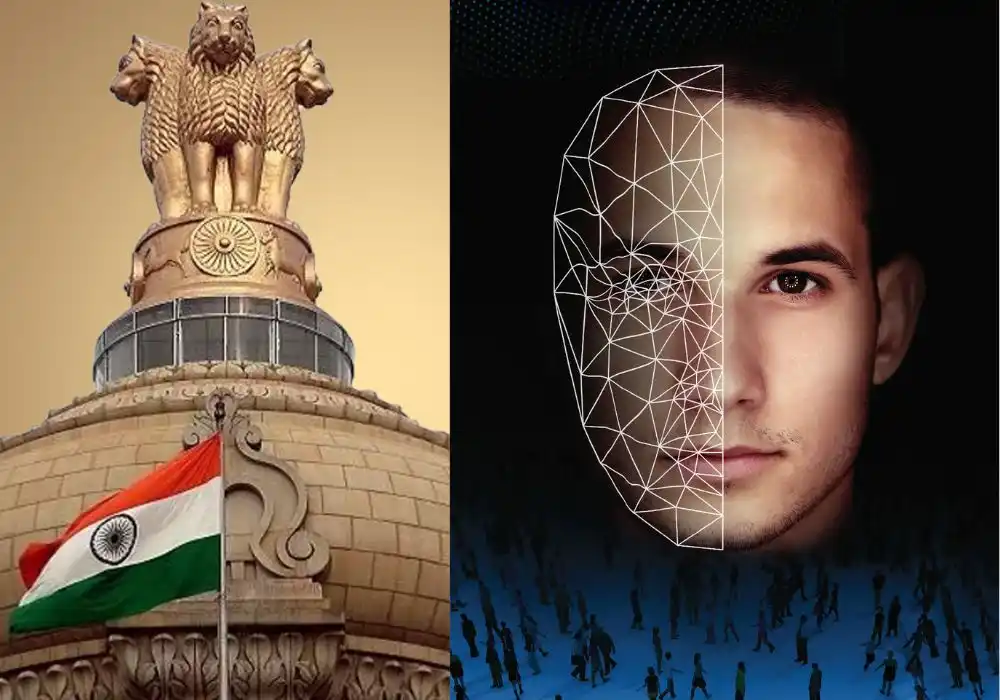
In the highly competitive world of government examinations, ensuring fairness, transparency, and security is paramount. Every aspirant invests countless hours in preparation, and the integrity of the examination process must be beyond question. Recognizing this crucial need, the Union Public Service Commission (UPSC), a cornerstone of India’s civil services recruitment, is embracing cutting-edge technology to redefine how candidate verification is conducted. This proactive step underscores UPSC’s commitment to a robust and secure examination system, setting a new benchmark for competitive exams across the nation. This resource covers all important static general knowledge topics that are frequently asked.
Unpacking AI Facial Authentication: What It Is
At its core, this innovative approach involves AI-enabled facial authentication. Simply put, it’s a sophisticated technological system that uses artificial intelligence to identify and verify individuals based on their unique facial features. Instead of relying solely on traditional methods like physical IDs and manual checks, which can be time-consuming and potentially susceptible to human error, this system offers a swift, accurate, and highly secure alternative. It’s designed to confirm that the person appearing for the exam is indeed the registered candidate, eliminating any possibility of impersonation.
Seamless Verification: How It Works
The process is remarkably straightforward yet powerful. When a candidate arrives at the examination centre, their face is scanned using specialized equipment. This digital image is then instantly matched against a pre-existing database of photographs submitted during the application process. The AI algorithms quickly analyze key facial points and patterns, comparing them with high precision. If a match is found, verification is complete within seconds, allowing the candidate to proceed efficiently. This automated system significantly streamlines entry procedures, reducing queues and stress for candidates, while simultaneously enhancing the overall security framework. Our daily news analysis for upsc, ssc, psc provides deep insights into the news.
From Pilot to Practice: Where and When It Was Tested
To ensure the reliability and effectiveness of this groundbreaking technology, UPSC conducted a successful pilot programme. This initial trial was strategically implemented during two significant examinations: the NDA and NA II Examination, and the CDS II Examination, both held recently. These high-stakes exams provided an ideal environment to test the system under real-world conditions, processing a large number of candidates and evaluating its performance in managing verification seamlessly. The positive outcomes from these pilot projects pave the way for a wider integration of such advanced solutions in future government exams.
Benefits for Aspirants: A Secure and Efficient Path
For dedicated aspirants preparing for exams like UPSC, SSC, PSC, NID, NIFT, and other government sector opportunities, this technological advancement brings several tangible benefits. Firstly, it assures a fair playing field by rigorously preventing impersonation, meaning only genuine candidates get to compete. Secondly, the expedited verification process means less waiting time and a smoother entry into the examination hall, allowing candidates to focus their energy on the test itself, rather than administrative hurdles. This move reflects UPSC’s forward-thinking approach, ensuring that the integrity of your hard work is protected by the best available technology. As you prepare with resources like interactive examinations, current affairs updates, and daily news quizzes on platforms like `myentrance.in`, staying informed about such procedural changes is equally vital.
Looking Ahead: The Future of Competitive Exams
The successful pilot of AI-enabled facial authentication marks a significant milestone in the evolution of competitive examinations in India. It signals a future where technology will play an increasingly pivotal role in ensuring transparency, efficiency, and unimpeachable security. For aspirants using `myentrance.in` to sharpen their knowledge in static general knowledge, gain insights from examination tips, and stay updated with daily news quizzes, understanding these technological shifts is part of comprehensive preparation. This initiative sets a precedent, and it is highly probable that similar secure, AI-driven verification methods will become standard practice across various government and national-level examinations, further fortifying the examination ecosystem for the benefit of all sincere candidates. Make it a habit to stay updated with our gk practice tests for consistent learning.
Frequently Asked Questions
Q1: What exactly is AI-enabled facial authentication being tested by UPSC?
A1: It’s a cutting-edge technological system that uses artificial intelligence to identify and verify the identity of an exam candidate by scanning and matching their facial features against their registered photograph, ensuring the person appearing for the exam is the legitimate applicant.
Q2: Why is UPSC implementing this new facial authentication technology?
A2: The primary objective is to enhance the security and integrity of the examination process, prevent impersonation, and streamline candidate verification. It aims to ensure a fairer and more transparent environment for all aspirants.
Q3: Which specific examinations saw the pilot programme for this AI facial authentication?
A3: The pilot programme was successfully conducted during the NDA and NA II Examination, and the CDS II Examination, both held recently, to test the system’s effectiveness under real examination conditions.
Q4: How does this technology benefit candidates appearing for government exams like those supported by `myentrance.in`?
A4: For candidates, it means quicker and more efficient entry into examination halls, reducing waiting times and stress. More importantly, it guarantees a higher level of security against impersonation, ensuring that the exam environment is fair and competitive for all genuine aspirants.
Q5: Will AI-enabled facial authentication become mandatory for all future UPSC and other competitive exams?
A5: While the pilot programme was successful, the widespread adoption across all examinations is a gradual process. However, given the benefits in security and efficiency, it is highly likely that such advanced, AI-driven verification methods will be increasingly integrated into future UPSC and other major government competitive exams.





