
The quest for sustainable energy solutions is more critical than ever, and India is taking significant strides towards a cleaner future. For aspirants preparing for competitive examinations like UPSC, SSC, PSC, NID, NIFT, and other government sector roles, understanding these policy shifts is not just about staying informed, but crucial for securing top marks. One such pivotal development is the notification of the National Geothermal Energy Policy 2025 by the Ministry of New and Renewable Energy (MNRE). This policy isn’t merely a document; it’s a strategic roadmap that promises to reshape India’s energy landscape and offers a wealth of current affairs and static general knowledge for your examinations. A quick revision guide for competitive exams can solidify your knowledge quickly.
Why Geothermal Energy Matters: A Foundation for Green Growth
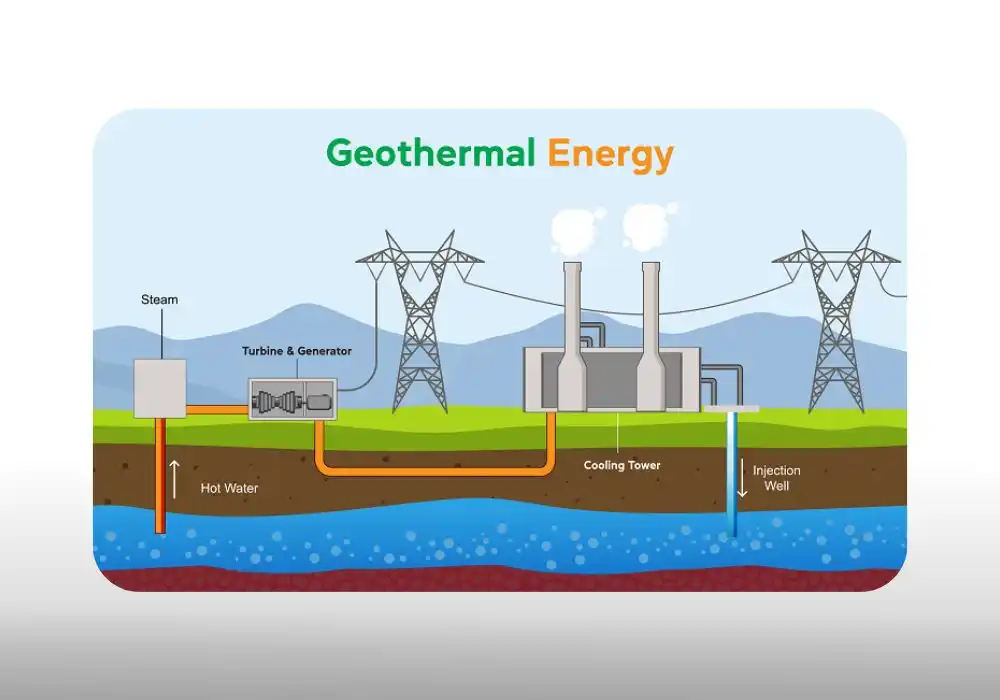
Before delving into the policy specifics, it’s essential to understand geothermal energy itself. Put simply, geothermal energy harnesses the heat from within the Earth’s core. This heat manifests as hot springs, geysers, or heat trapped in rocks deep below the surface. It’s a clean, reliable, and continuous source of renewable power, unlike solar or wind, which are intermittent. India, blessed with significant geothermal potential, particularly in regions like the Himalayan belt and peninsular India, is now aiming to tap into this immense, untapped resource. For your exams, recognizing geothermal energy as a non-conventional, indigenous, and sustainable power source is a fundamental piece of static general knowledge.
The National Geothermal Energy Policy 2025: What It Entails
On September 17, 2025, the Ministry of New and Renewable Energy (MNRE) officially unveiled the National Policy on Geothermal Energy (2025). This landmark policy serves as a comprehensive framework designed to significantly accelerate India’s transition towards clean energy.
What are its core objectives?
Firstly, the policy aims to aggressively promote the exploration, development, and utilization of geothermal energy across the country. This isn’t limited to electricity generation; it also encompasses direct heat applications for industries, agriculture, space heating, and even health tourism. Secondly, it is a firm reassertion of India’s commitment towards achieving its ambitious “Net Zero” emissions target by 2070. By diversifying the energy mix with geothermal power, India intends to reduce its reliance on fossil fuels, enhance energy security, and drastically lower its carbon footprint. The policy outlines mechanisms for resource assessment, technological advancements, skill development, and creating an attractive investment climate for geothermal projects, making it a pivotal area for current affairs analysis.
Who, When, and How: The Policy’s Operational Framework
The “Who” behind this monumental initiative is the Ministry of New and Renewable Energy (MNRE), the central government body responsible for formulating and implementing policies for renewable energy. The “When” is a precise date: September 17, 2025, a key fact often tested in competitive exams.
The “How” of the policy is multifaceted. It involves providing financial incentives for exploration and project development, facilitating ease of doing business for geothermal ventures, encouraging research and development in advanced geothermal technologies, and establishing clear regulatory guidelines. It also focuses on capacity building and skill development to create a workforce capable of managing sophisticated geothermal projects. Understanding these operational aspects demonstrates a deeper grasp of policy formulation and implementation, a skill vital for UPSC and state PSC examinations.
Impact and Future Outlook: India’s Path to Energy Independence
This policy is poised to have a transformative impact on India’s energy sector. By systematically developing geothermal resources, India can unlock new avenues for employment, boost regional development in resource-rich areas, and contribute significantly to its global climate pledges. It signals a strong commitment to indigenous green energy production, fostering a more resilient and sustainable energy ecosystem. For exam preparation, connecting this policy to broader themes like sustainable development goals, climate change mitigation, and energy security is crucial. Sharpen your skills with these current affairs practice questions updated daily.
Excel in Current Affairs and GK with MyEntrance.in
For all government exam aspirants, topics like the National Geothermal Energy Policy are quintessential. At myentrance.in, we understand the nuances required to master such policy-driven current affairs and static general knowledge. Our platform offers:
* Interactive Examinations & Answers: Test your understanding with detailed quizzes specifically designed around current policies, their implications, and associated GK facts.
* Current Affairs Updates: Stay ahead with daily news analysis, breaking down complex policies into easily digestible information relevant for your exams.
* Daily News Quiz: Reinforce your learning with quick, engaging quizzes on the latest happenings.
* Static General Knowledge: Access comprehensive modules that explain foundational concepts like different types of renewable energy, government ministries, and India’s climate commitments, providing context for current events.
* Examination Tips: Benefit from expert advice on how to approach questions related to government policies, ensuring you articulate well-structured answers in descriptive papers and pick the right options in MCQs.
By leveraging the resources at myentrance.in, you can transform complex policy notifications into scoring opportunities, ensuring you are thoroughly prepared for every aspect of your upcoming examinations.
Frequently Asked Questions (FAQs)
Q1: What is geothermal energy, and why is India focusing on it?
A1: Geothermal energy is renewable energy derived from the heat stored beneath the Earth’s surface. India is focusing on it because it’s a constant, clean, and indigenous power source that can help diversify the country’s energy mix, enhance energy security, and contribute significantly to its clean energy transition and Net Zero emissions target by 2070.
Q2: When was the National Geothermal Energy Policy 2025 officially notified, and by which ministry?
A2: The National Geothermal Energy Policy 2025 was officially notified on September 17, 2025, by the Ministry of New and Renewable Energy (MNRE).
Q3: What are the main goals or objectives of India’s National Geothermal Energy Policy 2025?
A3: The main goals include accelerating the exploration, development, and utilization of geothermal energy for both electricity generation and direct heat applications, contributing to India’s clean energy transition, reducing reliance on fossil fuels, and helping the country achieve its Net Zero emissions target by 2070.
Q4: How does this policy contribute to India’s commitment to achieving Net Zero by 2070?
A4: By promoting geothermal energy as a clean and continuous power source, the policy helps reduce India’s carbon emissions from fossil fuels. Increasing the share of renewable energy sources like geothermal in the national energy mix is a direct pathway towards achieving the ambitious Net Zero emissions target by 2070.
Q5: How can aspirants prepare for questions related to the National Geothermal Energy Policy in competitive exams?
A5: Aspirants should focus on key facts like the notifying ministry, date, core objectives, and the “why” and “how” of the policy. Understanding the basics of geothermal energy (static GK) and its connection to India’s broader energy and climate goals (current affairs, policy analysis) is crucial. Platforms like myentrance.in offer interactive quizzes, daily news updates, and comprehensive study materials to help master such topics.





