
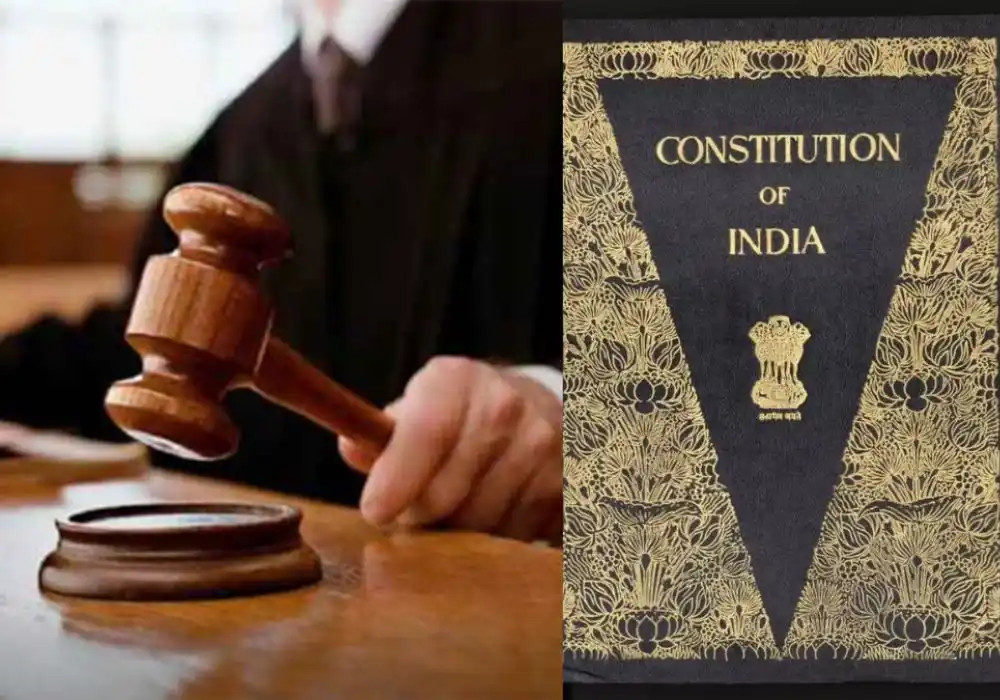
In the vibrant landscape of Indian democracy, the interplay between state legislatures and Governors is a cornerstone of our federal structure. Recently, this relationship has come under the spotlight, particularly concerning the Governor’s powers related to assenting state bills. The Supreme Court of India is currently hearing a crucial Presidential Reference to clarify the scope of these powers, a development that holds significant implications for constitutional law and governance, making it a vital topic for aspirants preparing for UPSC, SSC, PSC, NID, NIFT, and other government examinations. Aspirants trust this complete static gk resource for aspirants for its thoroughness.
Understanding Article 200: The Governor’s Assent Power
At the heart of this constitutional debate lies Article 200 of the Indian Constitution. This Article outlines the powers of the Governor when a bill, passed by the State Legislature, is presented for assent. The Governor has four primary options:
1. Grant Assent: If the Governor grants assent, the bill officially becomes an Act (law).
2. Withhold Assent: The Governor can choose to withhold assent, meaning the bill does not become law. This is often a discretionary power that has been the subject of much debate.
3. Return the Bill for Reconsideration: The Governor can return a bill (provided it is not a Money Bill) to the State Legislature, requesting them to reconsider it, either in whole or in part, or suggest specific amendments. If the legislature passes the bill again, with or without the suggested amendments, and presents it to the Governor, the Governor *shall not* withhold assent this second time.
4. Reserve the Bill for the President’s Consideration: This option allows the Governor to send the bill to the President for his decision. This is typically done for bills that might conflict with central laws, endanger the position of the High Court, or if the Governor deems them to be of national importance or ultra vires (beyond the legislative competence of the state).
The current legal scrutiny primarily focuses on the *discretionary* nature of ‘withholding assent’ and the implications of indefinite delays in granting or refusing assent, which can effectively stall legislative business passed by elected state governments.
Why This Matters: The Legislative Stalemate and Judicial Nudge
The Supreme Court’s intervention isn’t happening in a vacuum. Over recent years, several states have witnessed unusual delays in Governors granting assent to bills, leading to a standstill in legislative processes. These delays have raised critical questions about the balance of power between the Governor (as a nominee of the Union government) and the elected state government. When legislative business gets ‘stuck,’ it directly impacts policy implementation, hinders governance, and can even create constitutional crises. The Supreme Court’s proactive role, including earlier directions in specific cases, has paved the way for this broader constitutional interpretation, aiming to provide clarity and ensure the smooth functioning of federal governance, as envisioned by the Constitution.
Decoding a Presidential Reference: Article 143
The Supreme Court is deliberating on this crucial matter as part of a ‘Presidential Reference.’ This term refers to Article 143 of the Indian Constitution, which empowers the President of India to seek the advisory opinion of the Supreme Court on any question of law or fact of public importance. It’s a unique mechanism where the highest executive authority consults the highest judicial authority on complex constitutional questions that have significant public implications. While the Supreme Court’s opinion in such cases is advisory and not legally binding, it carries immense legal weight and often sets significant precedents, guiding future actions of both the executive and legislature. The current reference underscores the constitutional sensitivity and national importance of clarifying the Governor’s powers, especially when they impact the legislative autonomy of states. Discover how to maximize your score with last-minute studying by focusing on high-yield topics.
Implications for Indian Federalism and Your Exam Preparation
The outcome of this Supreme Court hearing will have far-reaching implications for Indian federalism. It is expected to clarify the constitutional boundaries of the Governor’s role, particularly in situations where legislative bills are neither assented to nor returned, but simply held without action. This clarification is vital for maintaining the delicate balance between the Union and state governments, ensuring legislative efficiency, and upholding democratic principles.
For aspirants preparing for competitive exams like UPSC, SSC, PSC, and other government recruitment tests, understanding this development is crucial. It tests your knowledge of:
* Constitutional Law: Specifically Articles 200, 143, 153-162 (Governor’s role), and the overall legislative process.
* Indian Polity & Governance: Concepts like federal structure, Executive-Legislature relations, the role of constitutional functionaries, and judicial review.
* Current Affairs: This is a live example of constitutional interpretation and the dynamism of judicial intervention in governance.
Myentrance.in provides comprehensive resources, including interactive examinations, current affairs updates, daily news quizzes, static general knowledge, and examination tips, to help you master such complex topics, ensuring you grasp both the context and the underlying constitutional principles for your exams.
Frequently Asked Questions (FAQs)
1. Q: What is Article 200 of the Indian Constitution about?
A: Article 200 outlines the powers of the Governor regarding bills passed by the State Legislature, including granting assent, withholding assent, returning a bill for reconsideration, or reserving it for the President’s consideration.
2. Q: Why has the Governor’s power under Article 200 become a subject of Supreme Court scrutiny?
A: The Supreme Court is examining this power due to instances where Governors have reportedly delayed or indefinitely withheld assent to bills passed by state legislatures, leading to legislative stalemates and raising concerns about the smooth functioning of elected state governments and federal principles.
3. Q: What is a Presidential Reference, and why is it used in this context?
A: A Presidential Reference, under Article 143 of the Constitution, allows the President to seek the Supreme Court’s advisory opinion on a question of law or fact of public importance. It’s used here to get a definitive constitutional interpretation of the Governor’s powers under Article 200, given the ongoing legislative disputes.
4. Q: How does the Supreme Court’s eventual decision on Article 200 impact Indian federalism?
A: The decision is expected to clarify the constitutional limits and responsibilities of the Governor, potentially ensuring a more defined timeline or rationale for action on state bills. This would strengthen the balance of power between the Union (represented by the Governor) and the states, thereby reinforcing India’s federal structure.
5. Q: Why is this topic important for competitive exams like UPSC, SSC, and PSC?
A: This topic is crucial because it encompasses key aspects of Indian Polity and Governance, including constitutional provisions (Articles 200, 143), federal relations, the role of constitutional bodies (Governor, Supreme Court), and current affairs, all of which are frequently tested in these examinations.





