
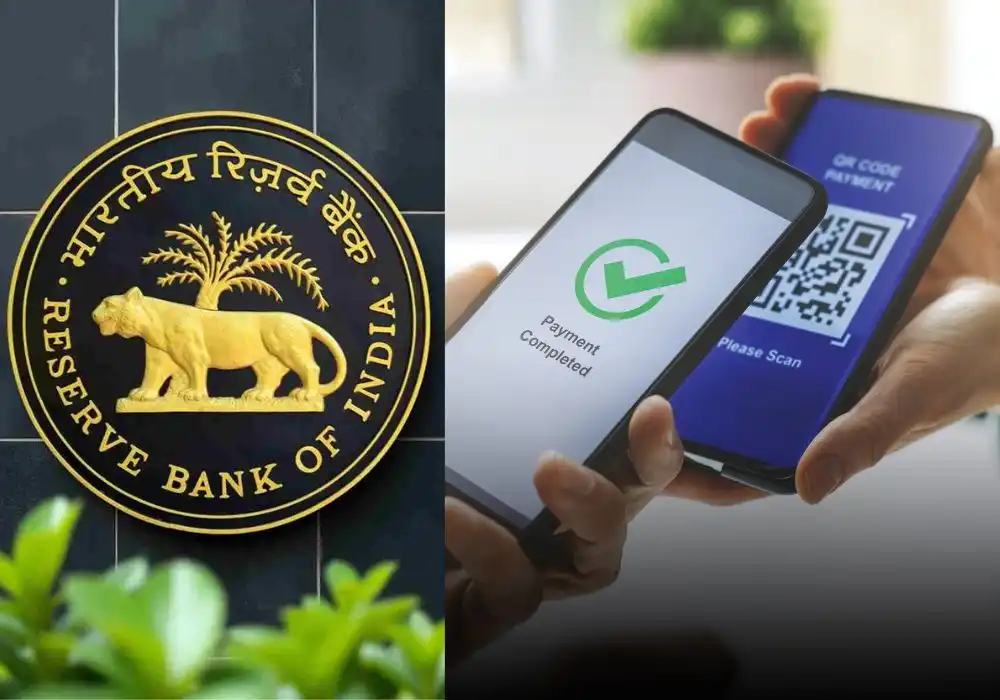
India’s digital payment landscape is booming, transforming how we conduct daily financial activities. From swiping a card online to making instant UPI transfers, our lives are increasingly intertwined with digital transactions. To ensure this vibrant ecosystem remains secure, efficient, and trustworthy, the Reserve Bank of India (RBI) plays a pivotal role. As the central bank, RBI consistently introduces comprehensive frameworks to regulate key players, particularly Payment Aggregators (PAs) and Payment Gateways (PGs), shaping the future of online commerce and financial stability. For every aspirant preparing for competitive exams like UPSC, SSC, banking, or state PSCs, understanding these regulations is not just about current affairs; it’s about grasping fundamental economic and financial governance.
Why Regulation Matters: The Core Objectives
The rapid evolution of digital payments brings immense convenience but also introduces potential risks such as fraud, data breaches, and operational failures. This is precisely why the RBI steps in. The primary objectives behind its robust regulatory framework for Payment Aggregators and Payment Gateways are multifaceted. Firstly, it aims to enhance the safety and security of online transactions, protecting both merchants and consumers from financial harm. Secondly, these regulations are designed to foster greater transparency in payment processing, ensuring all participants adhere to fair practices. Thirdly, by setting clear standards, RBI seeks to promote healthy competition and innovation within the fintech sector, encouraging new technologies while maintaining stability. Ultimately, the goal is to build and maintain public trust in the digital payment ecosystem, making it a reliable backbone for India’s economic growth.
Understanding the Players: Payment Aggregators and Payment Gateways
To truly appreciate RBI’s framework, it’s crucial to differentiate between Payment Aggregators (PAs) and Payment Gateways (PGs). While both are integral to online transactions, their roles are distinct.
Payment Aggregators (PAs) are entities that facilitate e-commerce sites and merchants to accept various payment instruments from customers without the need for the merchant to create their own payment integration system. Simply put, a PA acts as a bridge between the merchant and multiple banks or payment networks. They collect payments from customers and then transfer them to the merchant after a certain period. Think of them as a single point of contact for merchants to manage all their payment processing needs, from credit cards to net banking and digital wallets.
Payment Gateways (PGs), on the other hand, are technological infrastructure providers. They are the conduits that securely transmit transaction data from the customer to the acquiring bank and then back to the merchant. A PG ensures the secure encryption of sensitive information, such as card details, and routes it through the appropriate channels for authorization and settlement. While a PA offers a complete service including merchant onboarding and fund settlement, a PG primarily provides the secure technological pipeline for transaction processing. Often, PAs utilize multiple PGs to offer diverse payment options, highlighting their symbiotic relationship.
The Comprehensive Framework: What RBI Mandates
The Reserve Bank of India has been proactively developing a comprehensive framework for PAs and PGs, with significant guidelines issued previously and continuous enhancements being planned. Looking ahead, in anticipation of upcoming directives like the proposed ‘Indian Reserve Bank (Regulation of Payment Aggregators) Directions, 2025,’ the RBI aims to further solidify the regulatory landscape. This future-focused approach builds upon existing robust guidelines, ensuring that the digital payment ecosystem remains resilient and adapts to new challenges.
Under this comprehensive framework, Payment Aggregators are subject to stringent regulations. This includes mandatory authorization or licensing by RBI, ensuring only credible entities operate in this space. They must meet specific net worth requirements, ensuring financial stability. Furthermore, directives cover crucial aspects like merchant onboarding due diligence, data storage and security standards, cyber resilience, and proper dispute resolution mechanisms. For Payment Gateways, the focus is on maintaining high technological standards. This encompasses robust security protocols for data encryption, ensuring system integrity and availability, adherence to global payment security standards like PCI DSS, and mechanisms for transaction tracking and reconciliation. The guidelines also emphasize the need for PGs to be transparent about their operations and to manage risks effectively. The idea is to create an end-to-end secure environment where every digital transaction is processed with maximum integrity and efficiency.
Impact and Future Outlook
RBI’s comprehensive framework has a profound impact on India’s digital economy. It fosters greater confidence among consumers and businesses to engage in online transactions, driving financial inclusion and digitalization. By standardizing practices and enhancing security, it reduces risks, encourages innovation, and paves the way for a more competitive and efficient payment landscape. This proactive regulatory stance ensures that as technology evolves, the financial system remains secure and robust. For competitive exam aspirants, these regulations are a goldmine of information. They frequently feature in current affairs, banking awareness, and economic sections, testing one’s understanding of financial governance and the evolving digital economy.
Relevance for Competitive Exams
Candidates for UPSC, SSC, Banking, and other government exams must understand the nuances of these regulations. Questions related to RBI’s functions, types of payment systems, recent financial reforms, and consumer protection initiatives are common. Knowing the difference between a PA and a PG, the rationale behind RBI’s guidelines, and their implications for the economy demonstrates a strong grasp of contemporary economic policy and financial literacy, which are essential for aspiring public servants.
Frequently Asked Questions (FAQs)
1. What is the main difference between a Payment Aggregator (PA) and a Payment Gateway (PG)?
A Payment Aggregator (PA) is a service provider that helps merchants accept various payment instruments from customers by integrating with multiple payment options and consolidating funds. They handle the entire payment processing lifecycle, including merchant onboarding and settlement. A Payment Gateway (PG), on the other hand, is primarily a technology that securely transmits payment information from the customer to the bank for authorization and back, focusing on encryption and routing of transaction data. PAs often use PGs to facilitate their services.
2. Why has the RBI felt the need to regulate Payment Aggregators and Payment Gateways so extensively?
The rapid growth of digital payments has brought convenience but also increased potential risks like fraud, data breaches, and operational failures. RBI regulates PAs and PGs to ensure the safety, security, transparency, and efficiency of online transactions. This helps protect consumers, maintain financial stability, promote fair practices, and build public trust in the digital payment ecosystem.
3. What are some key requirements that Payment Aggregators (PAs) must adhere to under RBI’s framework?
Under RBI’s framework, PAs must obtain authorization or a license from the central bank. They are required to meet specific net worth criteria, follow strict guidelines for merchant onboarding, implement robust data storage and security measures, adhere to cyber resilience standards, and establish clear dispute resolution mechanisms. These requirements ensure their operational and financial integrity.
4. How do RBI regulations impact a common user performing online transactions?
For a common user, RBI regulations primarily translate into a safer and more reliable online transaction experience. The rules ensure that the platforms they use are secure, their personal and financial data is protected, and there are clear avenues for dispute resolution if anything goes wrong. This increased security and transparency build greater confidence in using digital payment methods.
5. Why is understanding RBI’s digital payment regulations important for competitive exams?
Understanding RBI’s digital payment regulations is crucial for competitive exams because it covers essential topics in current affairs, economics, and banking awareness. Questions often test knowledge about the roles of financial institutions, recent policy changes, types of payment systems, and measures for financial stability and consumer protection. It demonstrates a candidate’s awareness of the evolving financial landscape and policy-making in India.





