
Staying updated with national initiatives and significant observances is a cornerstone of success for anyone aspiring to excel in competitive examinations like UPSC, SSC, PSC, NID, NIFT, and other government sector roles. At myentrance.in, we understand that current affairs aren’t just about headlines; they’re about comprehending the ‘why,’ ‘what,’ ‘where,’ ‘when,’ and ‘how’ of events that shape our nation. Let’s delve into a recent significant nationwide observance, ‘Sewa Pakhwada,’ and understand its relevance for your comprehensive exam preparation.
Understanding ‘Sewa Pakhwada’: A National Service Fortnight
What is ‘Sewa Pakhwada’?
The term ‘Sewa Pakhwada’ literally translates to ‘Service Fortnight.’ It signifies a fourteen-day period dedicated to various forms of public service and community engagement. Such initiatives often aim to promote social welfare, environmental conservation, health awareness, and other community-centric activities, embodying the spirit of collective responsibility. These observances are vital for developing a holistic understanding of India’s social and political landscape, which is frequently tested in general awareness sections of various competitive exams.
Why is ‘Sewa Pakhwada’ Organized?
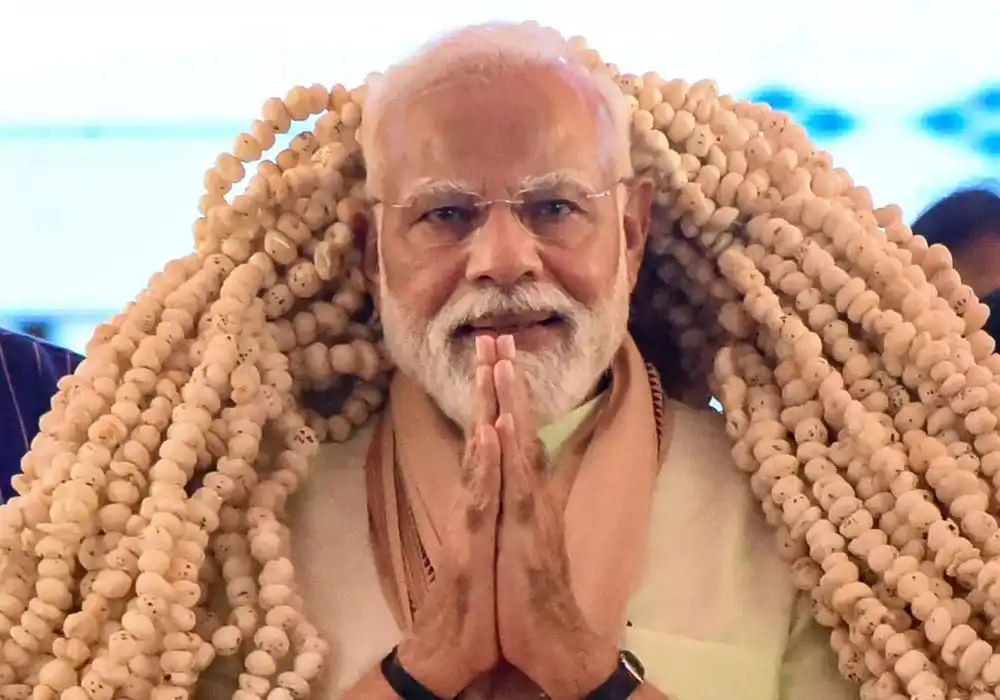
The recent ‘Sewa Pakhwada’, initiated by the Bharatiya Janata Party (BJP), was organized to commemorate the birthday of Prime Minister Narendra Modi. Political parties and organizations often leverage significant dates associated with their leaders to launch or highlight service-oriented campaigns, aligning national service with inspirational figures. For exam aspirants, understanding this context provides insight into political strategies and national messaging, crucial for analytical questions in exams like UPSC.
When and Where was this Initiative Observed?
This particular ‘Sewa Pakhwada’ commenced on the Prime Minister’s birthday and extended until October 2nd. This concluding date is exceptionally significant in India’s history as it marks the birth anniversaries of two towering figures: Mahatma Gandhi and Lal Bahadur Shastri. The observance spanned nationwide, involving various grassroots activities across different states and regions. The strategic choice of dates and the widespread implementation make it a noteworthy current event, perfect for daily news quizzes and comprehensive current affairs sections of any exam. Connecting these dates to historical personalities also strengthens your static general knowledge.
How Does ‘Sewa Pakhwada’ Connect to Your Exam Preparation?
For students preparing for demanding exams, the ‘Sewa Pakhwada’ initiative offers multiple learning opportunities. Firstly, it serves as a direct current affairs question, testing your knowledge of recent national events, the names of key initiatives, and the political parties involved. Secondly, the dates associated with its beginning and end, particularly October 2nd, are critical static general knowledge points. Understanding the contributions of Mahatma Gandhi and Lal Bahadur Shastri is fundamental for Indian history and polity sections. Thirdly, the broader concept of ‘service’ and community engagement reflects important governance principles and social welfare themes, which are often topics for essay writing, descriptive answers, or even ethical questions in exams like UPSC Civil Services. Our interactive examinations and detailed answers at myentrance.in help you practice recalling such factual information and analyzing its deeper implications.
Frequently Asked Questions
1. What is the main objective of ‘Sewa Pakhwada’?
The primary objective of ‘Sewa Pakhwada’ is to dedicate a specific fortnight to various public service activities and community welfare initiatives, often aligned with commemorating significant national figures or events.
2. Which key historical dates are often associated with the ‘Sewa Pakhwada’ observance?
While the starting date can vary, ‘Sewa Pakhwada’ often concludes on October 2nd, a date highly significant in India’s history as it marks the birth anniversaries of Mahatma Gandhi and Lal Bahadur Shastri.
3. Why is it important for government exam aspirants to study events like ‘Sewa Pakhwada’?
Studying such initiatives is crucial for enhancing your current affairs knowledge, understanding the interplay between political events and national observances, connecting current events to static general knowledge (like historical dates and personalities), and preparing for questions on social welfare and governance themes in exams like UPSC, SSC, and PSC.
4. How long does a ‘Pakhwada’ typically last?
The term ‘Pakhwada’ literally means a ‘fortnight,’ indicating a period of fourteen days. Therefore, a ‘Sewa Pakhwada’ initiative typically spans two weeks.
5. Where can I find reliable information and quizzes on current affairs topics like ‘Sewa Pakhwada’ for my exams?
You can find comprehensive current affairs analysis, daily news quizzes, interactive examinations, and detailed answers on myentrance.in, specifically designed to help you prepare for competitive exams like UPSC, SSC, NID, NIFT, and other government examinations.





