
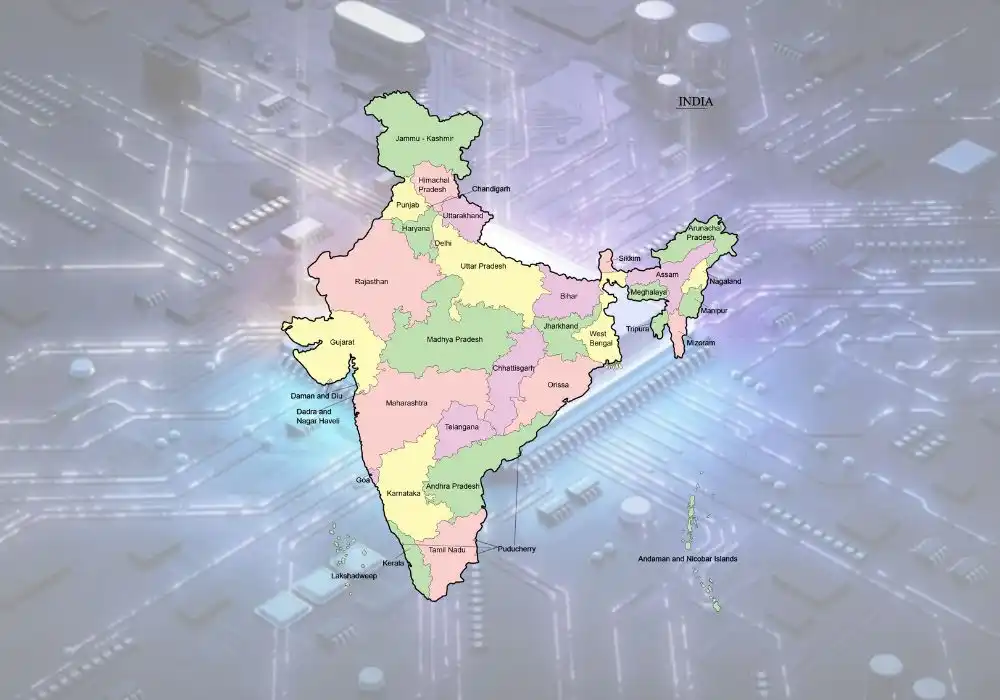
The Digital Backbone: Understanding India’s Semiconductor Push
In today’s interconnected world, everything from your smartphone to advanced medical equipment, and even your car, relies on tiny yet powerful components called semiconductors or “chips.” These are the brains of modern electronics, processing information and enabling countless functions. Recognizing their critical importance, especially in an era of global supply chain disruptions and technological advancement, India has embarked on an ambitious journey to establish a robust indigenous semiconductor ecosystem. This strategic move is not just about manufacturing; it’s a comprehensive vision encompassing design, fabrication, assembly, testing, and packaging, aiming for true self-reliance. Union Minister Ashwini Vaishnaw recently highlighted India’s readiness, underscoring the significant progress made in creating the necessary environment for this vital industry to flourish, as evidenced by the inauguration of a new semiconductor manufacturing and training centre in Bengaluru.
Why Semiconductors are Crucial for India’s Future and Your Exam Preparation
Understanding the “why” behind India’s semiconductor mission is paramount. Economically, a domestic semiconductor industry reduces reliance on imports, saving valuable foreign exchange and mitigating risks associated with geopolitical tensions. Strategically, it ensures national security by preventing potential disruptions in critical infrastructure and defence systems. Technologically, it positions India as a global innovation hub, fostering research and development in cutting-edge areas like Artificial Intelligence, 5G, and the Internet of Things (IoT). For aspirants of UPSC, SSC, PSC, and other government exams, this topic is a goldmine for current affairs, science and technology, economy, and government policy questions. It ties directly into flagship initiatives like “Make in India,” “Digital India,” and “Atmanirbhar Bharat” (Self-Reliant India).
India’s Semiconductor Mission: What It Entails
At the heart of India’s indigenous chip journey is the “India Semiconductor Mission.” This comprehensive program is designed to attract substantial investments, foster domestic manufacturing, and cultivate a highly skilled workforce. It provides significant financial incentives to companies willing to set up semiconductor fabrication units (fabs), display fabs, and units for OSAT (Outsourced Semiconductor Assembly and Test) / ATMP (Assembly, Testing, Marking, and Packaging) facilities within India. Beyond direct manufacturing, the mission strongly emphasizes chip design, encouraging innovation and the development of intellectual property by Indian companies and startups. The establishment of training centers, like the one recently inaugurated in Bengaluru, plays a vital role in bridging the skill gap, ensuring a steady supply of engineers and technicians for this specialized sector. The reported support for over 278 entities under this mission signifies a broad-based, collaborative effort to build this complex ecosystem from the ground up.
Building the Ecosystem: How India is Making It Happen
India’s strategy to build a semiconductor ecosystem is multifaceted. Firstly, it involves creating a policy framework that is attractive to global semiconductor giants while also nurturing local talent. This includes Production-Linked Incentive (PLI) schemes tailored for electronics manufacturing and specific subsidies for semiconductor units. Secondly, there’s a strong focus on skill development. Universities and technical institutions are being encouraged to introduce specialized courses in semiconductor design, manufacturing, and materials science. Collaborations with international partners and technology transfer are also key components, allowing India to leverage global expertise while building its own capabilities. The “where” is becoming clearer, with initial focus on cities like Bengaluru, a technology hub, and potential clusters emerging in states that offer conducive industrial environments and infrastructure. The “when” is now – with rapid policy implementation and global interest, India is swiftly moving from conceptualization to execution. This collective effort aims to establish India not just as a consumer, but a significant producer and innovator in the global semiconductor landscape.
Impact and Future Prospects: A New Era of Opportunities
The successful realization of India’s semiconductor ambition promises a ripple effect across the economy. It will create numerous high-skilled jobs in design, engineering, and manufacturing. It will boost ancillary industries, from raw material suppliers to equipment manufacturers. Furthermore, it will enhance India’s strategic autonomy, making the nation less vulnerable to external supply chain shocks. From a global perspective, a self-reliant India in semiconductors can contribute significantly to global supply chain resilience, offering an alternative manufacturing base. For the youth preparing for competitive examinations, understanding these dynamics is not just about memorizing facts but grasping the transformative potential of India’s technological leap, its implications for national development, and the opportunities it presents for a future career in a resurgent India.
Frequently Asked Questions (FAQs)
1. What is the India Semiconductor Mission (ISM)?
The India Semiconductor Mission (ISM) is a dedicated program under the Ministry of Electronics and Information Technology (MeitY) aimed at building a vibrant semiconductor and display ecosystem in India. Its objective is to attract significant investments, promote indigenous manufacturing, and nurture talent across the entire semiconductor value chain, including design, fabrication, and packaging.
2. Why is indigenous chip manufacturing important for India?
Indigenous chip manufacturing is crucial for India’s economic growth, national security, and technological sovereignty. It reduces reliance on foreign imports, safeguards against global supply chain disruptions, fosters innovation, creates high-skilled jobs, and positions India as a strategic player in the global electronics industry, aligning with the “Atmanirbhar Bharat” vision.
3. Which cities or regions are becoming key hubs for India’s semiconductor industry?
While the semiconductor ecosystem is developing nationwide, cities like Bengaluru, Hyderabad, and Pune, already known as technology and R&D hubs, are playing a significant role in chip design and related innovation. States offering robust infrastructure and policy support are also being targeted for setting up fabrication and assembly units.
4. What kind of jobs and career opportunities will the semiconductor sector create in India?
The semiconductor sector is expected to create a wide array of high-skilled jobs, including chip designers, verification engineers, process engineers, materials scientists, equipment technicians, R&D specialists, and roles in manufacturing, quality control, and supply chain management. It will also foster entrepreneurship in related technology fields.
5. How does the semiconductor industry initiative relate to “Atmanirbhar Bharat” (Self-Reliant India)?
The semiconductor industry initiative is a cornerstone of the “Atmanirbhar Bharat” vision. By developing domestic capabilities in chip design and manufacturing, India aims to reduce its dependence on foreign technology and supply chains, thereby enhancing its self-reliance in a strategically critical sector essential for nearly all modern industries, from digital infrastructure to defence.





