
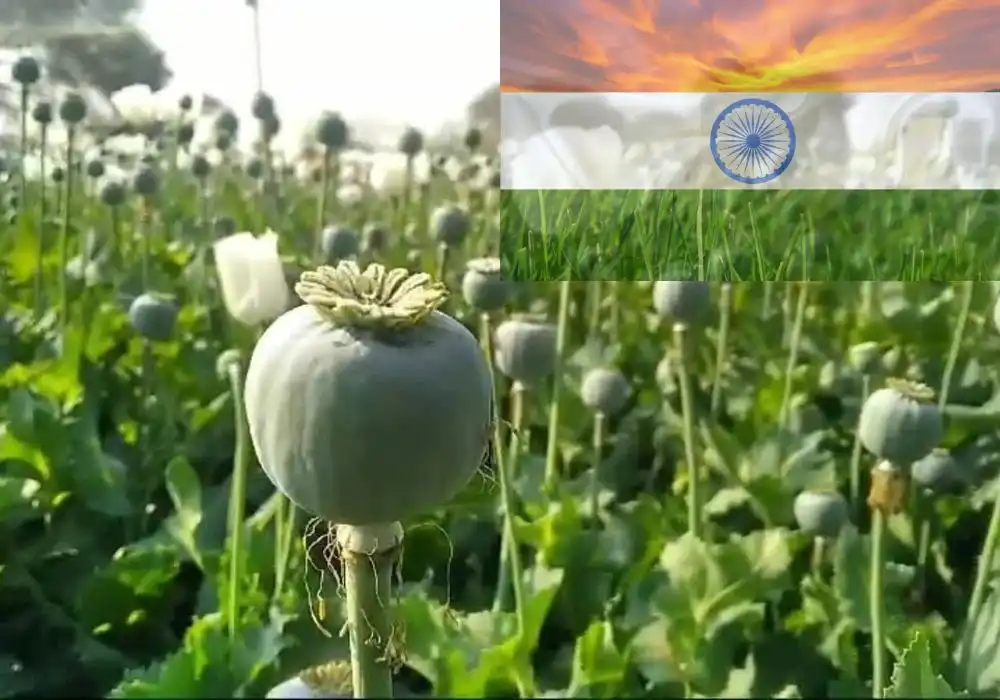
For aspirants preparing for rigorous examinations like UPSC, SSC, PSC, NID, NIFT, and other government recruitment tests, understanding the nuances of government policies is paramount. These policies frequently feature in current affairs, general knowledge, and even economic sections of various exams. A recent significant announcement from the Government of India, specifically the Ministry of Finance, concerns the annual licensing policy for opium poppy cultivation for the crop year 2025-26. This policy is not just an administrative decree; it reflects complex regulatory frameworks, economic considerations, and international obligations. Take your daily dose of current affairs to stay informed and prepared.
Understanding the 2025-26 Opium Poppy Licensing Policy
The core of the recent announcement revolves around the regulation of opium poppy cultivation. In September 2025, the Ministry of Finance, under the Government of India, formally declared its annual licensing policy for the cultivation of opium poppy. This policy is specifically designed for the crop year 2025-26, which spans from October 1, 2025, to September 30, 2026. This systematic approach ensures controlled cultivation, crucial for both medicinal purposes and preventing misuse. It’s a critical component of India’s strategy to manage narcotics, balancing agricultural practices with public health and safety.
Geographical Scope and Key Stakeholders
This annual licensing policy is not uniformly applied across all states. Instead, it targets specific regions known for their historical and suitable climatic conditions for opium poppy cultivation. The states identified for this regulated farming activity include Madhya Pradesh (MP), Rajasthan, and Uttar Pradesh (UP). Within these states, eligible farmers who meet the stringent criteria set by the government are granted licenses to cultivate opium poppy. This controlled environment ensures that the cultivation remains within legal boundaries and serves its intended purpose, primarily for the pharmaceutical industry. The farmers in these regions play a crucial role as primary producers in this highly regulated supply chain.
Why Regulation is Crucial: Economic, Regulatory, and Pharmaceutical Aspects
The stringent licensing and regulatory framework for opium poppy cultivation are vital for several reasons. Firstly, opium is the raw material for various essential medicines, including pain relievers like morphine and codeine. Regulated cultivation ensures a steady and legitimate supply for the pharmaceutical industry, both domestically and internationally. Secondly, the government’s control is essential to prevent the diversion of opium for illicit drug production, aligning with the Narcotics Drugs and Psychotropic Substances (NDPS) Act and international treaties like the UN Single Convention on Narcotic Drugs. Thirdly, this policy has economic implications for the licensed farmers, providing them with a legal source of income under strict governmental oversight. It also contributes to government revenue through duties and taxes, making it a multifaceted policy touching upon agriculture, health, law enforcement, and economics. For competitive exam aspirants, understanding these interlocking aspects provides a comprehensive view of the policy’s significance. For consistent scoring in exams, these static gk notes are an invaluable tool.
Frequently Asked Questions (FAQs)
Q1: What is the primary purpose of India’s annual opium poppy licensing policy?
A1: The primary purpose is to regulate the cultivation of opium poppy to ensure a controlled supply for the legitimate pharmaceutical industry, producing essential medicines like morphine and codeine, while simultaneously preventing its diversion for illicit drug production.
Q2: Which government body is responsible for announcing and overseeing this policy?
A2: The Ministry of Finance, under the Government of India, is responsible for announcing and overseeing the annual licensing policy for opium poppy cultivation.
Q3: Which Indian states are typically covered under this opium poppy cultivation licensing policy?
A3: The policy typically covers specific states known for suitable climatic conditions, including Madhya Pradesh (MP), Rajasthan, and Uttar Pradesh (UP).
Q4: What does “crop year 2025-26” signify in the context of this policy?
A4: “Crop year 2025-26” refers to the specific period for which the policy is applicable, starting from October 1, 2025, and concluding on September 30, 2026. This defines the duration for which licenses are valid for cultivation.
Q5: How does this policy relate to international obligations or laws?
A5: This policy aligns with India’s international obligations, particularly under the UN Single Convention on Narcotic Drugs, by ensuring strict control over opium production to combat illegal drug trafficking and promote responsible use for medical and scientific purposes.





