
Biosignatures & AI’s Protein Language Models
In the dynamic landscape of the UPSC Civil Services Examination, particularly GS Paper 3, a deep understanding of cutting-edge scientific and technological advancements is paramount. This specialized module delves into the fascinating realms of biosignatures and the transformative potential of protein language models, offering aspirants an unparalleled advantage in their Mains answer practice and comprehensive exam preparation. This guide on how to prepare for an exam at the last minute is a lifesaver for cramming.
Unraveling Advanced Science & Technology for UPSC GS 3
The General Studies Paper 3 of the UPSC Mains examination is a crucible for aspirants, testing not just their factual recall but their analytical prowess in areas like Science and Technology, Environment, Economy, and Disaster Management. A significant portion often stems from contemporary developments, making topics like biosignatures and artificial intelligence’s foray into protein understanding indispensable for comprehensive preparation. Staying abreast of these rapidly evolving fields is not merely an academic exercise; it’s a strategic necessity to articulate well-informed and insightful answers that distinguish your script from the competition. Our platform, myentrance.in, continuously curates the latest updates, ensuring you are always at the forefront of knowledge for UPSC, SSC, PSC, NID, NIFT, and other government exams.
The Enigma of Biosignatures: A Frontier in Scientific Inquiry
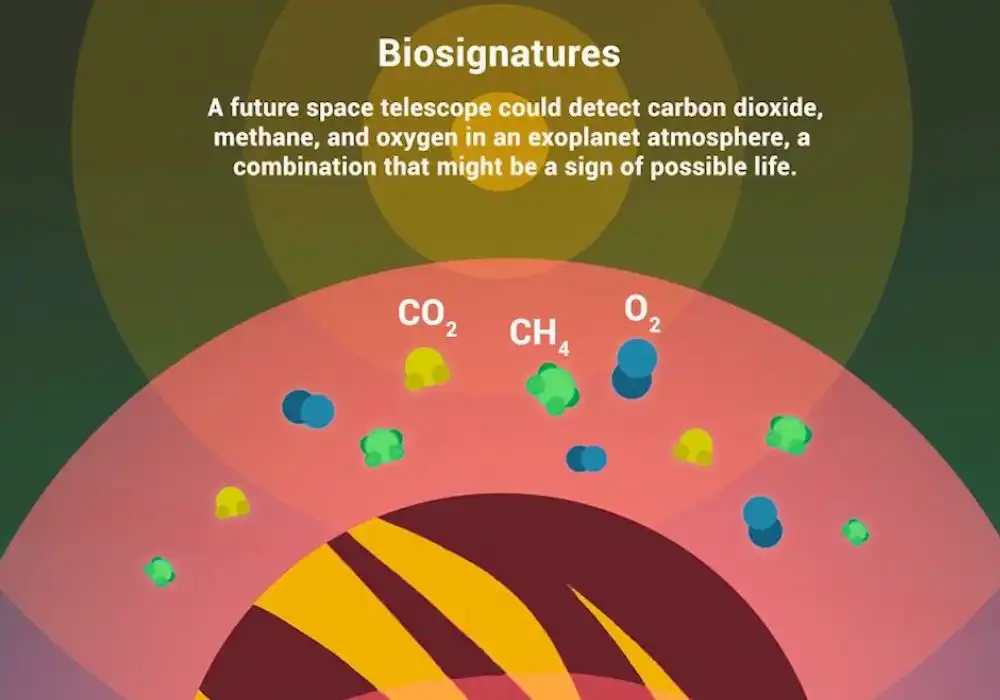
Biosignatures, essentially unique indicators of past or present life, represent a cornerstone of astrobiology and have profound implications across various scientific disciplines. From the search for extraterrestrial life on distant exoplanets and moons to identifying ancient microbial activity on Earth, these subtle chemical, structural, or isotopic markers provide invaluable clues. Understanding the scientific principles behind their detection, the challenges involved in distinguishing them from abiotic phenomena, and their potential applications in fields like environmental science or even forensic investigation, is crucial. This interdisciplinary concept frequently surfaces in discussions around scientific breakthroughs and technological advancements, directly impacting a candidate’s ability to tackle application-based questions in the Mains. A thorough grasp of this area demonstrates a forward-thinking and scientifically informed perspective, highly valued in competitive examinations.
Protein Language Models: Reshaping Biotechnology and AI
On another cutting edge of innovation lie Protein Language Models (PLMs), a revolutionary application of artificial intelligence that draws parallels with the large language models transforming human communication. Just as LLMs learn patterns in human text, PLMs are trained on vast databases of protein sequences, learning the ‘grammar’ and ‘semantics’ of biological information. This allows them to predict protein structure, function, and even design novel proteins with specific properties. The implications are staggering, spanning accelerated drug discovery, rational vaccine design, enzyme engineering for industrial applications, and the development of next-generation biomaterials. For a UPSC aspirant, comprehending the underlying technology, its ethical dimensions, and its potential to address global challenges in health, agriculture, and industry is vital for framing forward-looking and comprehensive answers in any government exam.
Crafting Winning Answers for UPSC Mains
The true test of knowledge in the UPSC Mains lies in the ability to articulate complex concepts with clarity, precision, and an interdisciplinary perspective. For topics as advanced as biosignatures and protein language models, merely knowing the facts is insufficient. Aspirants must develop the skill to analyze their implications, connect them to broader societal and scientific contexts, and present a well-structured argument within the stringent word limits. Regular, targeted answer writing practice, accompanied by expert feedback, is the only way to refine this crucial skill. Myentrance.in provides comprehensive resources, including interactive examination modules, daily news quizzes, static general knowledge, and detailed answer explanations, specifically designed to hone your Mains answer writing capabilities for UPSC, PSC, and other challenging government examinations. Our platform empowers you to not just learn, but master the art of effective examination response. Sharpen your skills with these current affairs practice questions updated daily.
Sample Questions & Expert Answers
Here are five meticulously crafted questions and their expert answers, demonstrating the depth and analytical approach required for competitive exams like UPSC GS 3 Mains:
1. Question: What are biosignatures, and how do their detection methodologies pose both opportunities and significant challenges in the search for extraterrestrial life? Discuss with suitable examples. (Approx 150 words)
Answer: Biosignatures are observable evidence of current or past life, encompassing chemical, physical, or isotopic indicators. Opportunities in detection lie in advanced spectroscopic analysis of exoplanet atmospheres for gases like oxygen or methane, isotopic fractionation in Martian soil samples, or morphological evidence of microfossils. However, significant challenges arise from contamination, false positives from abiotic processes (e.g., volcanism mimicking methane production), and the sheer difficulty of remote sensing over vast cosmic distances. Distinguishing true biosignatures from geological ‘noise’ requires rigorous validation, often involving multiple, independent lines of evidence, making the search for unequivocal proof immensely complex. The recent detection of phosphine on Venus, later debated, exemplifies this challenge.
2. Question: Elaborate on the transformative potential of Protein Language Models (PLMs) in accelerating drug discovery and vaccine development. What ethical considerations might arise from their widespread application? (Approx 150 words)
Answer: Protein Language Models (PLMs) leverage AI to predict protein structure, function, and design novel proteins, dramatically accelerating drug discovery. They can rapidly identify potential drug targets, optimize antibody design, and virtually screen billions of compounds for therapeutic efficacy, significantly reducing research timelines and costs. In vaccine development, PLMs can predict immunogenic protein sequences, enabling rational design of highly effective and safe vaccine candidates against emerging pathogens. However, their widespread application raises ethical concerns, including the potential for misuse in creating biological weapons, issues of data privacy in biological datasets, and algorithmic bias in drug design that could disproportionately affect certain populations. Ensuring responsible innovation and robust regulatory frameworks is paramount.
3. Question: While primarily associated with astrobiology, how can the principles of biosignature detection be adapted for environmental monitoring and mitigating anthropogenic impacts on Earth? (Approx 150 words)
Answer: Beyond exoplanetary searches, the principles of biosignature detection hold immense potential for environmental monitoring on Earth. For instance, specific microbial metabolites or unique genetic sequences can act as biosignatures for particular pollutants or ecosystems under stress, providing early warnings of environmental degradation. Isotopic shifts in elements like nitrogen or carbon can indicate sources of pollution, such as agricultural runoff or industrial discharge. Furthermore, the presence of specific extremophiles can signal unique geochemical conditions. By adapting these detection techniques, we can develop advanced sensing technologies for real-time monitoring of water quality, soil health, and atmospheric composition, thereby informing policy decisions and aiding in the mitigation of anthropogenic impacts like climate change and biodiversity loss.
4. Question: Discuss the synergistic relationship between Artificial Intelligence and Biotechnology, specifically highlighting how Protein Language Models could revolutionize personalized medicine and diagnostics in the coming decade. (Approx 150 words)
Answer: Artificial Intelligence and Biotechnology share a powerful synergy, with Protein Language Models (PLMs) at its forefront. PLMs analyze vast proteomic data to predict individual protein variations, which is crucial for personalized medicine. By understanding how a patient’s unique protein profile interacts with diseases or drugs, PLMs can enable the design of highly tailored therapies, minimizing side effects and maximizing efficacy. In diagnostics, they can identify novel protein biomarkers for early disease detection, even before symptoms appear, offering unprecedented precision in health assessments. This revolutionizes healthcare by shifting from a ‘one-size-fits-all’ approach to highly individualized treatment plans, potentially transforming how chronic diseases are managed and preventative care is delivered within the next decade.
5. Question: Recent advancements in biosignature detection and protein language models represent significant leaps in scientific understanding. Critically analyze the potential societal benefits alongside the associated risks or challenges these technologies might present. (Approx 200 words)
Answer: Advancements in biosignature detection and protein language models (PLMs) offer profound societal benefits. Biosignatures could confirm life beyond Earth, fundamentally altering humanity’s perspective, and domestically, enhance environmental monitoring and forensic science. PLMs promise revolutionary breakthroughs in medicine, accelerating drug and vaccine development, fostering personalized treatments, and advancing sustainable biotechnology for food and materials. However, these powerful technologies carry inherent risks. The search for extraterrestrial biosignatures might provoke existential questions or fuel resource conflicts if discovered life forms are complex. PLMs raise ethical dilemmas concerning biosecurity – the potential for malicious actors to engineer dangerous pathogens – and exacerbate existing inequalities if access to advanced personalized medicine remains exclusive. Regulatory frameworks often lag behind technological progress, making governance challenging. Ensuring democratic oversight, fostering global cooperation, and prioritizing ethical development are crucial to harness these innovations responsibly while mitigating their potential for harm, especially concerning dual-use technologies.
Why these questions are crucial for your exam preparation:
These sample questions are meticulously designed to mirror the analytical and multi-dimensional nature of the UPSC Mains examination. They compel you to move beyond rote learning, encouraging interdisciplinary thinking, critical analysis, and the ability to articulate well-reasoned arguments under time pressure. Practicing such questions is indispensable for developing a structured approach to answer writing, enhancing your conceptual clarity, and ultimately, boosting your scores in competitive exams like UPSC, SSC, and various PSCs where contemporary science and technology play a vital role. Myentrance.in offers a vast repository of such practice questions, interactive exams, and expert solutions, making your exam preparation robust and effective.





