
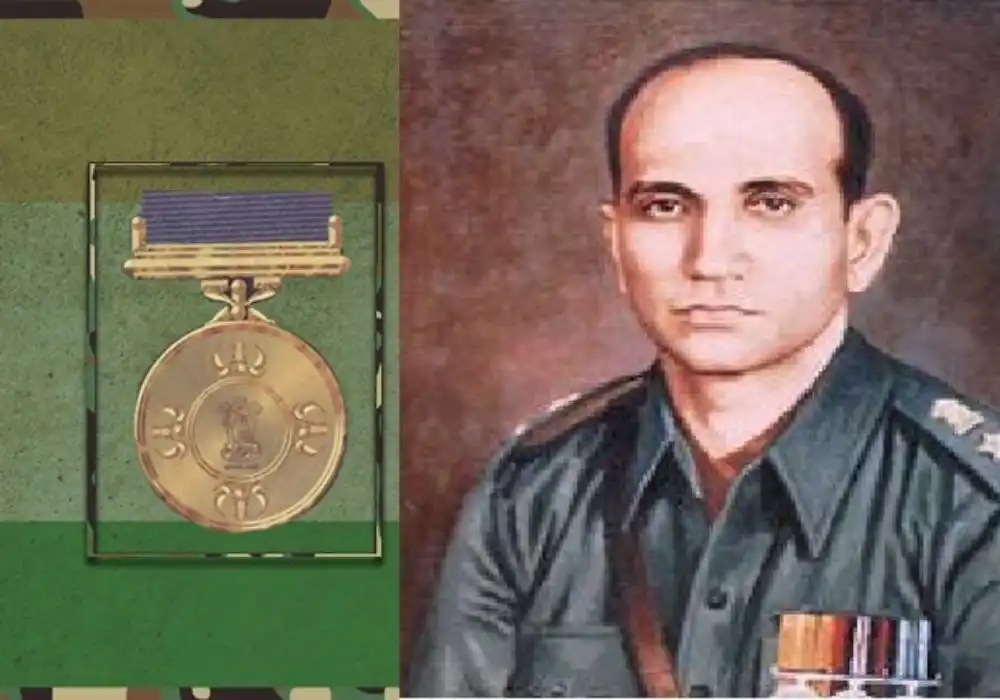
When national leaders pay tribute to our heroes, it’s not merely a ceremonial act; it’s a powerful opportunity for every aspiring civil servant and government professional to connect current affairs with crucial static general knowledge. Recently, Defence Minister Rajnath Singh honored Lt. Col. Ardeshir Burzorji Tarapore on his Balidan Diwas. For aspirants of UPSC, SSC, PSC, NID, NIFT, and other government examinations, understanding the profound significance behind such tributes offers a unique pathway to mastering history, military valor, and contemporary awareness. Discover how to maximize your score with last-minute studying by focusing on high-yield topics.
Understanding Balidan Diwas and its Importance
Balidan Diwas, or Martyrdom Day, is a solemn occasion observed annually to remember and honor those brave souls who made the ultimate sacrifice in service to our nation. It serves as a poignant reminder of their selfless courage and an enduring inspiration for future generations. For individuals like Lt. Col. Tarapore, whose acts of valor transcend time, observing this day ensures their legacy remains etched in our collective memory and forms an integral part of our national narrative and identity. Comprehending the significance of such commemorative days helps you grasp India’s cultural and historical fabric, which is essential for general awareness sections in competitive exams.
Lt. Col. Tarapore: A Pillar of Unyielding Courage
Lt. Col. Ardeshir Burzorji Tarapore was an esteemed officer in the Indian Army whose name resonates with unparalleled bravery and strategic genius. During the intense 1965 India-Pakistan War, specifically in the critical Sialkot Sector, his leadership of the Poona Horse regiment became legendary. Despite sustaining severe injuries, he exemplified extraordinary resilience, refusing to abandon his post or his men. Instead, he continued to lead his regiment with ferocious determination, spearheading relentless attacks that systematically destroyed numerous enemy tanks and positions over several days. His tactical brilliance and indomitable spirit in the face of grave personal danger were instrumental in inflicting heavy losses on the adversary, showcasing true leadership and courage until his supreme sacrifice while fighting gallantly. This detailed understanding of his actions answers the ‘who’ and ‘what’ of his heroism.
The Param Vir Chakra: India’s Zenith of Gallantry
In profound recognition of his extraordinary heroism and ultimate sacrifice, Lt. Col. Tarapore was posthumously awarded the Param Vir Chakra, India’s highest military decoration for valor. This prestigious award is bestowed upon individuals who display the most conspicuous bravery, self-sacrifice, or a daring or pre-eminent act of valor in the presence of the enemy, whether on land, at sea, or in the air. It is a symbol of the nation’s highest gratitude and respect for its bravest soldiers. For your examinations, understanding the criteria for such awards, knowing key recipients, and differentiating them from other gallantry awards is a frequently tested area in General Knowledge and Current Affairs segments.
The 1965 India-Pakistan War: A Crucial Historical Chapter
The 1965 India-Pakistan War was a pivotal moment in the history of both nations. Fought primarily over the contentious issue of Kashmir, it saw major armored battles, particularly in regions like Punjab and the Sialkot Sector, where Lt. Col. Tarapore distinguished himself. The war tested the mettle of the Indian armed forces, showcasing their resolve, strategic capabilities, and the unwavering courage of individual soldiers. Lt. Col. Tarapore’s actions during this conflict exemplify the professionalism and strategic importance of the Indian Army, highlighting the human element behind large-scale military operations. Knowledge of such historical conflicts – their causes, key figures, significant battles, and outcomes – is fundamental for a strong grasp of general knowledge and history sections in examinations like UPSC, SSC, and PSC. This gives you the ‘when’ and ‘context’ of the story.
Why This Story Illuminates Your Exam Path
For aspiring civil servants and professionals, understanding historical events through the lens of individual heroism provides a richer, more engaging learning experience. This saga of Lt. Col. Tarapore is not merely a tale from the past; it’s a living lesson in leadership, resilience, and national pride. You might encounter direct questions related to Param Vir Chakra awardees, specific battles or military operations of the 1965 War, or general knowledge questions about national heroes and their contributions. The ‘where’ of his valor (Sialkot Sector) and ‘how’ he demonstrated it (leading the Poona Horse regiment, destroying enemy tanks despite injuries) are details that can be asked. Moreover, essay topics or descriptive questions might draw inspiration from such acts of supreme courage, requiring you to articulate their significance in nation-building and military ethos. By delving into the details of his service, the context of the war, and the honor he received, you prepare comprehensively for multiple facets of your examination, ensuring you can connect the dots between current events, history, and static GK. MyEntrance.in is committed to bringing you such integrated learning resources, connecting current events with the core syllabus to empower your preparation journey. We compile today’s current events for aspirants into a digestible format.
Frequently Asked Questions (FAQs)
1. Who was Lt. Col. Ardeshir Burzorji Tarapore?
Lt. Col. Ardeshir Burzorji Tarapore was an esteemed officer of the Indian Army, renowned for his extraordinary bravery and leadership during the 1965 India-Pakistan War. He commanded the Poona Horse regiment and made the supreme sacrifice while valiantly fighting in the Sialkot Sector.
2. What is the Param Vir Chakra?
The Param Vir Chakra is India’s highest military decoration, awarded for the most conspicuous act of bravery or some daring or pre-eminent act of valor or self-sacrifice in the presence of the enemy, whether on land, at sea, or in the air. It is often considered equivalent to the Victoria Cross or the Medal of Honor in other nations.
3. Why is Lt. Col. Tarapore remembered on Balidan Diwas?
Lt. Col. Tarapore is remembered on Balidan Diwas to commemorate his martyrdom and acknowledge his selfless sacrifice for the nation. It is a day to honor his unparalleled courage and inspiring leadership during the 1965 War, which led to him being posthumously awarded the Param Vir Chakra, marking him as a national hero.
4. How is the 1965 India-Pakistan War relevant for competitive exams?
The 1965 India-Pakistan War is highly relevant for competitive exams as it is a significant event in Indian history. Questions often cover its causes, key battles (like those in the Sialkot Sector), major personalities involved (such as Lt. Col. Tarapore), its outcomes, and its impact on geopolitics and defense strategy. It is crucial for static General Knowledge and history sections.
5. Where did Lt. Col. Tarapore perform his heroic actions during the 1965 War?
Lt. Col. Tarapore’s exemplary acts of courage and leadership during the 1965 India-Pakistan War primarily took place in the Sialkot Sector. It was in this strategic region that he led his Poona Horse regiment in destroying numerous enemy tanks and positions despite being severely injured, showcasing exceptional valor.





