
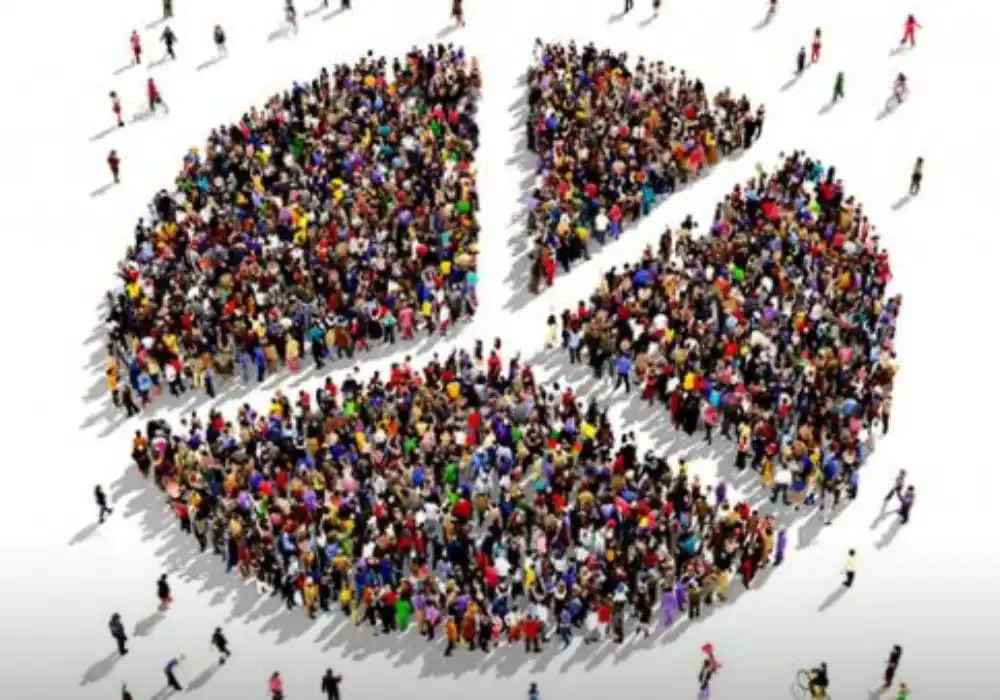
Understanding the intricate web of demographic shifts and their socio-political implications is paramount for any aspiring civil servant or government exam candidate. These complex issues frequently form the bedrock of questions in UPSC, SSC, PSC, and various other competitive examinations, testing not just your factual knowledge but also your analytical prowess and understanding of governance. At myentrance.in, we believe in equipping you with a comprehensive understanding of such critical current affairs and static general knowledge.
Decoding Demographic Shifts: A National Imperative for Exam Preparation
Demographic change, driven by various factors including birth rates, mortality rates, and migration patterns, significantly impacts a nation’s social, economic, and political landscape. For a country as diverse and dynamic as India, these shifts are constantly under scrutiny, particularly in sensitive border regions. Recent discussions by the nation’s top leadership have highlighted the government’s firm commitment to address emerging demographic imbalances in key regions, aiming to uphold regional stability and national security. This perspective is crucial for candidates preparing for examinations, as it touches upon themes of governance, national integration, and policy formulation. Why does this matter for your exams? Because understanding the ‘why’ behind policy statements helps you connect the dots between current events, constitutional provisions, and administrative challenges, which are frequently tested. It’s essential to master static gk for competitive exams to ensure consistent scores.
The Eastern Frontier: A Case Study in Demographic Dynamics
Specifically, regions like Bihar, West Bengal, and Assam often find themselves at the forefront of these demographic discussions. From an examination perspective, it’s essential to grasp the historical context, geographical vulnerabilities, and socio-economic factors that contribute to unique demographic patterns in these states. Proximity to international borders, historical migration routes, economic disparities, and socio-cultural ties have all played a role in shaping the population dynamics here. For instance, questions on India’s border management strategies, the impact of cross-border population movements on local economies and resources, or the challenges posed to state administration are common in the General Studies papers of UPSC and similar exams. What are the key geographical features of Seemanchal or the Eastern India corridor? How do international treaties and domestic laws address migration? These are the deeper layers of knowledge myentrance.in helps you explore through our specialized content.
Government’s Stance and Policy Direction: What It Means for Governance
The current administration has consistently articulated its unwavering resolve to tackle challenges arising from unregulated cross-border population movements, emphasizing the need to safeguard the unique cultural, social, and demographic fabric of these regions. This commitment underscores a broader policy objective focused on ensuring national security, maintaining law and order, and fostering equitable development for all citizens. For exam aspirants, this translates into understanding the government’s approach to internal security, border management policies, the role of various agencies, and the socio-economic programmes designed to integrate communities and address local grievances. How are these policies implemented? What legal frameworks support them? What are the potential challenges in execution? These questions require a nuanced understanding of public administration and current affairs, skills that our interactive quizzes and detailed analyses are designed to hone.
Mastering Complex Topics: How myentrance.in Equips You for Success
At myentrance.in, we convert complex current events and policy discussions into accessible, exam-ready content. Our platform offers a wealth of resources including:
* Interactive Examinations & Answers: Test your understanding of current affairs, polity, and geography with questions directly relevant to topics like demographic shifts and government policies.
* Current Affairs & Daily News Quiz: Stay updated with the latest developments and leadership statements, understanding their significance for your exams.
* Static General Knowledge: Build a strong foundation on the geographical, historical, and constitutional aspects related to border states and demographic patterns.
* Examination Tips: Learn how to approach essay questions, analytical questions, and multiple-choice questions related to sensitive topics with a balanced and informed perspective.
We ensure you don’t just memorize facts but truly comprehend the ‘why,’ ‘what,’ ‘where,’ ‘when,’ and ‘how’ of every significant national issue, preparing you not just for exams, but for informed citizenship. We compile today’s current events for aspirants into a digestible format.
Frequently Asked Questions (FAQs)
1. Why are demographic shifts considered a critical issue for competitive exams like UPSC?
Demographic shifts are crucial because they intersect with multiple General Studies topics, including internal security, social justice, economy, geography, and governance. Understanding these changes helps aspirants analyze policy impacts, predict future challenges, and formulate well-rounded answers for essays and analytical questions, demonstrating a comprehensive grasp of national issues.
2. How does the government typically address challenges posed by unregulated cross-border population movements?
Governments typically address these challenges through a multi-pronged approach involving strengthened border security, diplomatic efforts with neighboring countries, implementation of specific laws and policies related to citizenship and migration, and socio-economic development initiatives in affected border regions to alleviate pressures and foster integration.
3. What specific parts of the UPSC syllabus are relevant to studying demographic issues in border states?
Relevant parts of the UPSC syllabus include GS Paper I (Geography of India, Indian Society), GS Paper II (Indian Polity, Governance, Social Justice), and GS Paper III (Internal Security, Economy, Environment). Topics like international relations, humanitarian issues, and disaster management can also be indirectly linked.
4. Where can I find reliable data and analysis on demographic changes in Indian states for my exam preparation?
Reliable data can be found from official government sources like the Census of India, National Sample Survey Office (NSSO) reports, Ministry of Home Affairs publications, NITI Aayog documents, and economic surveys. Reputable academic journals and research institutions also provide in-depth analysis. myentrance.in curates and simplifies such information for easy access.
5. How can myentrance.in help me prepare for questions on sensitive topics like demographic challenges?
myentrance.in provides structured current affairs analysis that explains the context and implications of such issues, interactive quizzes to test your understanding, and static GK modules that build foundational knowledge. Our expert-curated content helps you develop a balanced, objective, and analytical perspective, which is essential for answering complex questions in competitive exams.





