
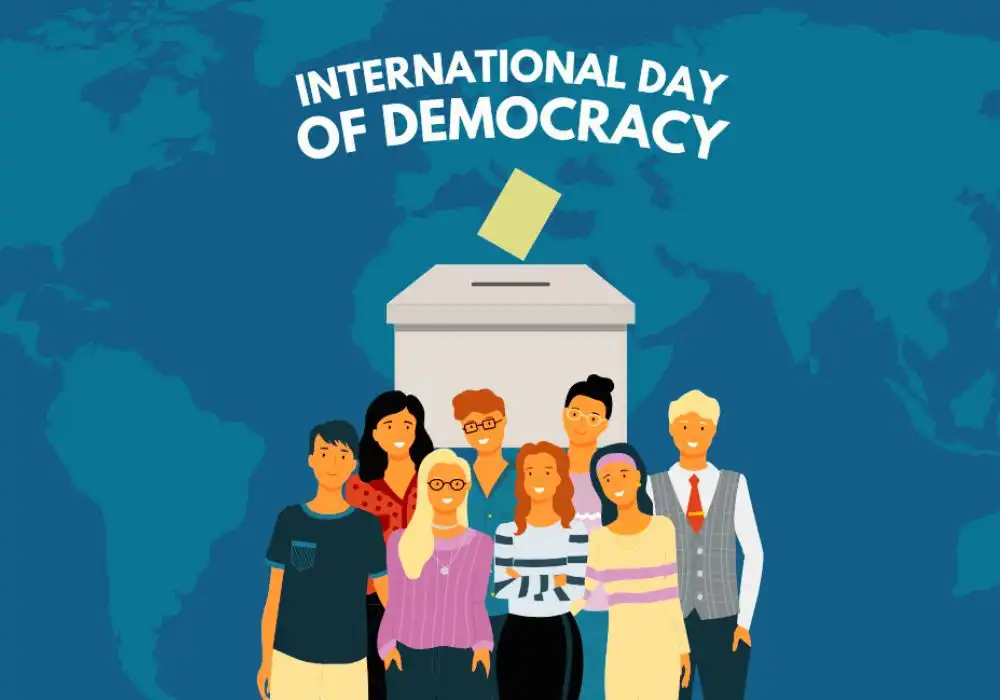
Every year, the 15th of September marks a pivotal moment for global reflection: the International Day of Democracy. For aspirants preparing for challenging competitive examinations like UPSC, SSC, PSC, NID, NIFT, and various other government roles, understanding the essence, history, and implications of this day goes far beyond just a current affairs fact. It’s about grasping the fundamental principles that underpin governance, societal structure, and global relations – all critical knowledge areas for future public servants.
Why Do We Observe International Day of Democracy? The Core Purpose.
The observance of the International Day of Democracy is not merely a ceremonial event; it’s a powerful global reaffirmation of the principles that empower citizens and foster stable societies. At its heart, this day aims to reinforce the profound importance of democratic values, uphold human rights, and emphasize the crucial role of citizen participation in shaping the future of their governance. It reminds us that democracy isn’t a static concept but a dynamic process that requires continuous effort, protection, and adaptation. For anyone aspiring to a role in public service, comprehending these core values is indispensable, as they form the bedrock of ethical administration and effective policy-making.
What is the International Day of Democracy and When is it Observed?
Constituted by the United Nations General Assembly in 2007 through a dedicated resolution, the International Day of Democracy is celebrated globally on September 15th. This annual observance serves as a dedicated platform for countries, governments, civil society organizations, and individuals worldwide to review the current state of democracy, identify challenges, and celebrate its enduring strengths. Each year, the day often highlights a specific theme, drawing attention to particular aspects or contemporary challenges faced by democratic systems across the globe. Staying updated with these themes is particularly beneficial for current affairs sections in your examinations.
A Glimpse into its Genesis: How the Day Came to Be.
The roots of this significant day can be traced back to the Universal Declaration on Democracy, adopted by the Inter-Parliamentary Union (IPU) in 1997. This declaration provided a foundational framework for the principles and norms of democratic governance. Recognizing the universal appeal and necessity of democratic ideals, the United Nations subsequently formalized its observance. By establishing September 15th as the International Day of Democracy, the UN sought to create a consistent global platform to advocate for, protect, and promote democratic values, urging all member states and stakeholders to participate actively in upholding these fundamental rights and freedoms.
The Broad Significance: Impact on Society and Your Exam Preparation.
The International Day of Democracy holds immense significance, both for the global community and for your rigorous exam preparation journey. Globally, it underscores the ongoing need to safeguard democratic institutions from various threats, ranging from misinformation to voter suppression. It champions the idea that the voices of all individuals – especially women, youth, and marginalized communities – must not only be heard but actively integrated into the decision-making processes.
From an examination perspective, understanding the nuances of this day is a goldmine for several subjects. In Current Affairs, you might encounter questions about the specific theme for 2025, recent democratic developments globally, or challenges faced by democracies. For Static General Knowledge, this topic delves into the history of the UN, the structure of democratic governments, human rights principles, and fundamental duties. In examinations like UPSC and PSC, knowledge of democracy is crucial for Polity, Governance, Ethics, and Essay papers, where you might be asked to analyze democratic principles, their implementation, or their role in nation-building. Even for design-oriented exams like NID and NIFT, general awareness of global events and societal structures contributes to a well-rounded understanding of the world. Therefore, delving deep into this day’s objectives equips you with comprehensive insights vital for both your exams and your future role as a responsible citizen.
Frequently Asked Questions (FAQs)
1. When is the International Day of Democracy observed globally?
The International Day of Democracy is observed every year on September 15th, providing a dedicated global occasion to reflect on democratic principles.
2. Why was the International Day of Democracy established?
This day was established to reinforce the importance of democratic values, uphold human rights, encourage citizen participation in governance, and promote democratic systems worldwide.
3. Which international body initiated the observance of this day?
The United Nations General Assembly officially established the International Day of Democracy through a resolution in 2007, building upon earlier frameworks from the Inter-Parliamentary Union.
4. How does understanding the International Day of Democracy benefit competitive exam aspirants?
Knowledge about this day is crucial for current affairs, static general knowledge, and can provide valuable insights for essay questions, polity, and governance sections in exams like UPSC, SSC, and PSC, covering topics from historical context to contemporary challenges of democracy.
5. What are some fundamental principles highlighted on the International Day of Democracy?
The day emphasizes core democratic principles such as freedom, equality, rule of law, respect for human rights, and the significance of active and inclusive citizen participation in political processes.





