
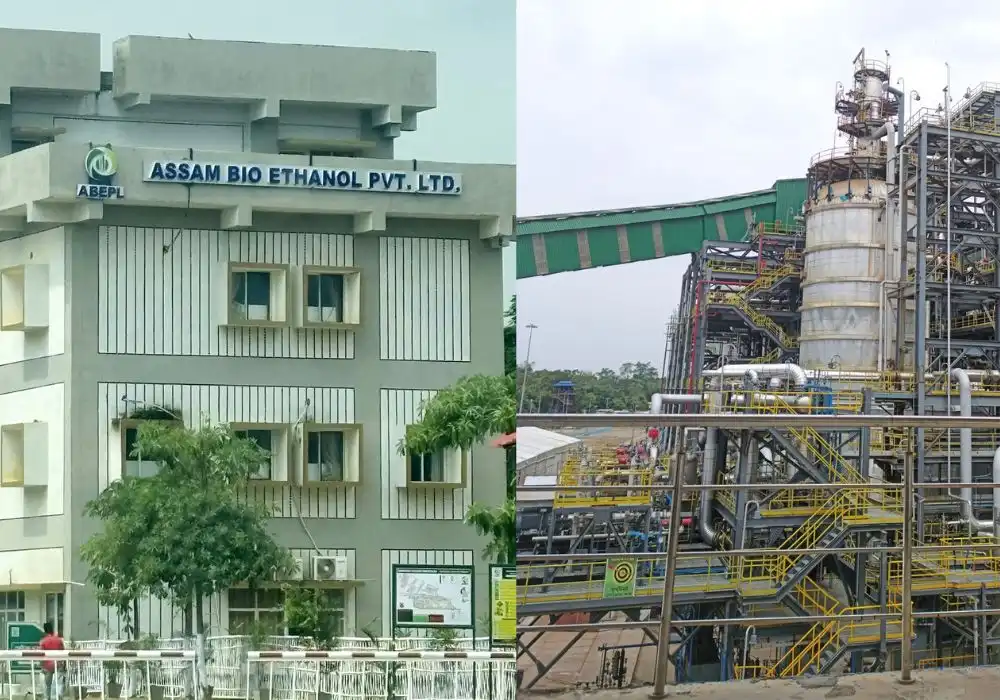
India is taking a monumental leap towards achieving energy independence and fostering a sustainable future with the inauguration of its first-ever bamboo-based bio-ethanol refinery. This groundbreaking initiative marks a significant milestone in the nation’s journey towards a cleaner, greener, and self-reliant energy sector. For aspirants preparing for competitive examinations like UPSC, SSC, PSC, NID, NIFT, and other government roles, understanding this development is crucial as it touches upon current affairs, environmental science, economic policy, and technological advancements. Discover your complete guide to competitive exams on our homepage.
Why This Plant Matters: India’s Push for Self-Reliance
The recent unveiling of India’s pioneering bamboo-based bio-ethanol plant by Prime Minister Mr. Narendra Modi in Golaghat, Assam, underscores the nation’s steadfast commitment to the ‘Atmanirbhar Bharat’ (Self-Reliant India) mission, particularly in the critical energy domain. For a long time, India has significantly relied on foreign oil imports to meet its escalating energy demands, a dependence that impacts its economy and geopolitical standing. This new facility is a strategic move to drastically reduce this reliance by developing indigenous, renewable fuel sources. The overarching objective is to transform India into a global leader in green energy technologies and sustainable practices, thereby securing its energy future and fostering economic stability.
What is Bio-Ethanol and How Bamboo Fuels It?
At its core, bio-ethanol is an alcohol produced through the fermentation of biomass. Unlike traditional fossil fuels, it is a renewable energy source derived from plant materials. This specific plant in Golaghat harnesses the potential of bamboo, a highly sustainable and fast-growing grass, as its primary feedstock. The process involves breaking down the cellulosic material in bamboo into sugars, which are then fermented to produce ethanol. This bio-ethanol can be blended with petrol, offering a cleaner-burning alternative that significantly reduces greenhouse gas emissions. The strategic choice of bamboo highlights India’s rich agricultural biodiversity and its innovative approach to utilizing locally available resources for national development.
Where and When: A Strategic Location and Timely Innovation
The decision to establish India’s first bamboo-based bio-ethanol plant in Golaghat, Assam, is strategically sound. Assam, a state in Northeast India, is known for its abundant bamboo reserves, making it an ideal location for such a facility. The easy availability of raw material ensures a steady supply chain, supporting the plant’s operational efficiency and contributing to the local economy. This inauguration, happening recently, aligns perfectly with the global push for renewable energy solutions and India’s intensified efforts to combat climate change while securing its energy needs for the coming decades. It positions India at the forefront of green technology innovation on the global stage.
The Broader Impact: Economy, Environment, and Employment
This innovative bio-refinery holds immense potential for multi-faceted positive impacts. Environmentally, the use of bio-ethanol significantly lowers carbon emissions, contributing to cleaner air and mitigating climate change effects. Economically, it reduces the nation’s import bill for crude oil, strengthening the Indian rupee and bolstering the national economy. Furthermore, the plant is expected to create numerous employment opportunities for the local population, from bamboo cultivation and harvesting to processing and plant operations, thereby boosting rural livelihoods and regional development. It fosters a circular economy where agricultural waste or sustainably grown crops are converted into valuable fuel, promoting resource efficiency and waste reduction. Ensure you have the most up-to-date gk news for your exam from a trusted source.
Frequently Asked Questions (FAQs)
Q1: What is bio-ethanol and why is India focusing on its production?
A1: Bio-ethanol is an alcohol produced from biomass, such as plant materials, through fermentation. India is focusing on its production to reduce its heavy dependence on fossil fuel imports, achieve energy self-reliance under the ‘Atmanirbhar Bharat’ mission, lower greenhouse gas emissions, and promote sustainable, cleaner energy sources for a greener future.
Q2: Why was bamboo chosen as the primary feedstock for India’s first bio-ethanol plant?
A2: Bamboo was chosen because it is an abundant, fast-growing, and highly sustainable renewable resource readily available in regions like Assam. Its rapid growth cycle and high cellulosic content make it an efficient and environmentally friendly option for producing bio-ethanol, supporting local economies and resource utilization.
Q3: Where is India’s first bamboo-based bio-ethanol plant located, and what is its significance?
A3: India’s first bamboo-based bio-ethanol plant is located in Golaghat, Assam. Its significance lies in pioneering the use of a native, renewable resource (bamboo) to produce green fuel, thereby bolstering India’s energy security, creating rural employment, and demonstrating a commitment to environmental sustainability and ‘Atmanirbhar Bharat’.
Q4: How does this initiative contribute to the ‘Atmanirbhar Bharat’ mission?
A4: This initiative directly contributes to the ‘Atmanirbhar Bharat’ mission by significantly reducing India’s reliance on foreign crude oil imports. By producing indigenous, renewable fuel, it strengthens national energy security, saves foreign exchange, and fosters self-sufficiency in a critical sector, promoting economic stability and growth.
Q5: What are the environmental benefits of using bio-ethanol as a fuel alternative?
A5: The primary environmental benefit of using bio-ethanol is a significant reduction in greenhouse gas emissions compared to fossil fuels. It helps combat air pollution, mitigate climate change, and promotes a cleaner burning fuel option, thereby improving air quality and supporting a more sustainable ecosystem.





