
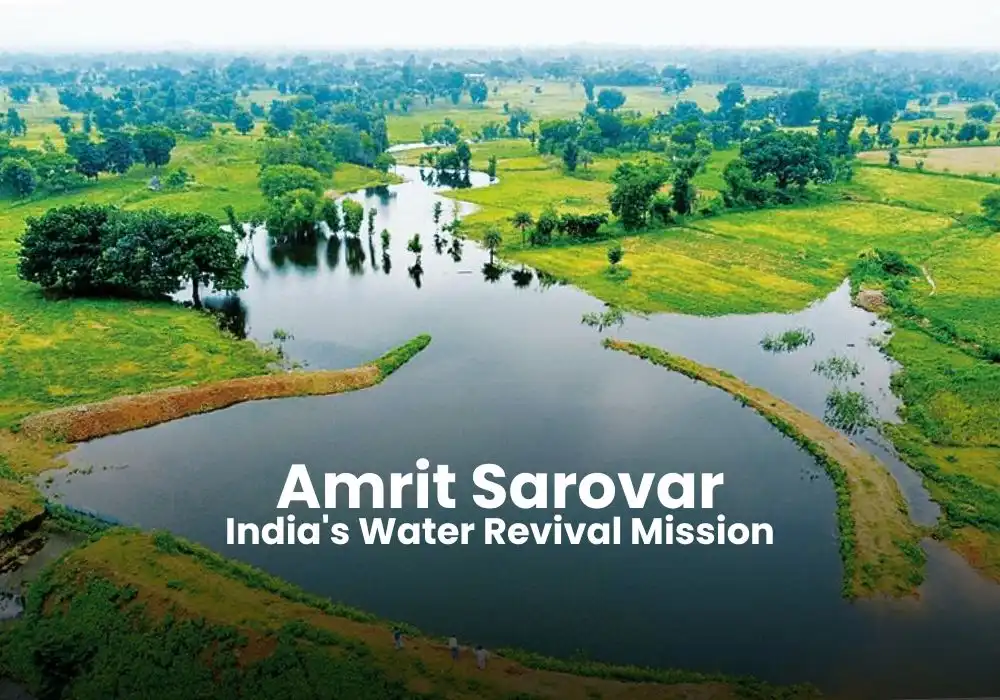
Understanding the Amrit Sarovar Mission
India, a land of diverse landscapes and vibrant communities, consistently faces the imperative challenge of effective water management. To proactively address this critical issue and foster water security, particularly in its expansive rural areas, the Indian government has initiated a monumental program known as the Amrit Sarovar Mission. This visionary initiative is meticulously designed to rejuvenate and construct traditional water bodies across the nation, thereby playing a pivotal role in comprehensive water conservation and holistic community development. For every diligent aspirant preparing for highly competitive examinations such as UPSC, SSC, PSC, NID, NIFT, and other government recruitment tests, comprehending the Amrit Sarovar Mission transcends mere current affairs; it becomes fundamental to understanding a core aspect of India’s long-term sustainable development strategy. The art of cramming effectively for your entrance test is explained in this resource.
The Vision and Objectives: Why This Mission Matters
The Amrit Sarovar Mission was officially launched by Prime Minister Narendra Modi in April 2022. Its timing was strategically aligned with the ongoing celebrations of Azadi Ka Amrit Mahotsav, commemorating 75 glorious years of India’s independence. This significant alignment underscored the mission’s ambitious yet achievable goal: to construct or revitalize a minimum of 75 Amrit Sarovars, or traditional ponds, in every single district across the country. The “why” behind this mission is exceptionally rich and multifaceted. It endeavors to significantly enhance the availability of water for crucial agricultural activities, improve the often-depleted groundwater levels, boost local biodiversity by creating thriving aquatic ecosystems, establish serene recreational spaces for communities, and importantly, empower rural populations by actively involving them in both the planning and execution phases of these projects. This holistic and inclusive approach unequivocally demonstrates a profound commitment to achieving both ecological equilibrium and substantial socio-economic upliftment, making it an absolutely pivotal subject for those meticulously tracking government policies and environmental initiatives for their examinations. Make it a habit to stay updated with our gk practice tests for consistent learning.
Achievements and Impact: The Journey So Far
The tangible progress of the Amrit Sarovar Mission has been nothing short of remarkable. The government has recently announced an impressive milestone: a staggering total of over 68,000 new and extensively rejuvenated ponds have been successfully created and restored under this transformative scheme nationwide. This impressive figure not only underscores the mission’s widespread implementation but also highlights its profound and tangible impact on ground realities, significantly altering India’s water landscape. These newly created or revived water bodies are far more than just static structures; they are dynamic, flourishing ecosystems that provide vital support for local flora and fauna, supply essential water for irrigation purposes, and serve as crucial sources for livestock. The Ministry of Rural Development, alongside other key coordinating departments, has been instrumental in meticulously organizing national workshops and diligently coordinating efforts to ensure that the mission’s ambitious objectives are met efficiently and effectively, transforming India’s rural landscape one sustainable pond at a time. This level of impactful detail is precisely the kind of information that will frequently feature in your daily news quizzes, interactive examinations, or static general knowledge sections.
Relevance for Competitive Examinations: Your Study Advantage
For every dedicated student targeting highly competitive government examinations, the Amrit Sarovar Mission is far more than just a fleeting news item; it represents a vital, integral component of your current affairs, static general knowledge, and even essay writing preparation. You can confidently expect questions ranging from the mission’s precise launch date and core objectives to the specific total number of ponds created and the primary implementing ministries involved. A deep understanding of its socio-economic and profound environmental implications is absolutely crucial for crafting well-reasoned descriptive answers in UPSC Mains examinations or tackling complex analytical questions in PSC exams. Topics such as comprehensive water conservation, sustainable rural development, impactful government schemes, and best environmental practices are perpetually recurring themes in these examinations. By consistently engaging with our comprehensive interactive examinations and meticulously detailed current affairs sections on myentrance.in, you can master such essential topics and confidently convert this invaluable knowledge into assured high scores in your upcoming competitive exams. The daily current affairs digest simplifies your daily revision process.
Looking Ahead: A Sustainable Future
As the Amrit Sarovar Mission continues its determined journey, its long-term benefits are unequivocally expected to be profound and far-reaching. By actively fostering a robust culture of water conservation and encouraging widespread community participation, it meticulously lays the groundwork for a more water-secure and environmentally resilient India. This pioneering initiative stands as a powerful testament to the nation’s unwavering dedication to achieving its sustainable development goals and showcasing its remarkable ability to mobilize extensive resources for large-scale environmental protection. Staying thoroughly updated on its ongoing progress will not only significantly enrich your general knowledge but also provide invaluable insights into India’s evolving developmental trajectory, a critical aspect highly valued and frequently tested in all major government examinations.
Frequently Asked Questions (FAQs)
Q1: What is the primary objective of the Amrit Sarovar Mission?
A1: The primary objective of the Amrit Sarovar Mission is to systematically rejuvenate and construct traditional water bodies (ponds) across India, with the aim of enhancing water conservation efforts, improving critical groundwater levels, boosting agricultural productivity, and fostering comprehensive community development, particularly within rural areas.
Q2: When was the Amrit Sarovar Mission officially launched?
A2: The Amrit Sarovar Mission was officially launched by the Honourable Prime Minister Narendra Modi in April 2022, coinciding meaningfully with India’s significant Azadi Ka Amrit Mahotsav celebrations.
Q3: How many Amrit Sarovars (ponds) were initially targeted for construction or rejuvenation per district under the mission?
A3: The mission initially set an ambitious target to construct or diligently rejuvenate at least 75 Amrit Sarovars (ponds) in each and every district across India.
Q4: Which key government ministry is primarily involved in overseeing the implementation of the Amrit Sarovar Mission?
A4: While multiple ministries and various departments actively contribute to its success, the Ministry of Rural Development plays a particularly significant and central role in coordinating and overseeing the robust implementation of the Amrit Sarovar Mission.
Q5: Why is the Amrit Sarovar Mission considered an important topic for competitive exam preparation?
A5: The Amrit Sarovar Mission is considered crucial for competitive exams because it encompasses vital aspects of current affairs, government schemes, water conservation strategies, rural development policies, and environmental governance, all of which are frequently tested in prestigious examinations like UPSC, SSC, and PSC.





