
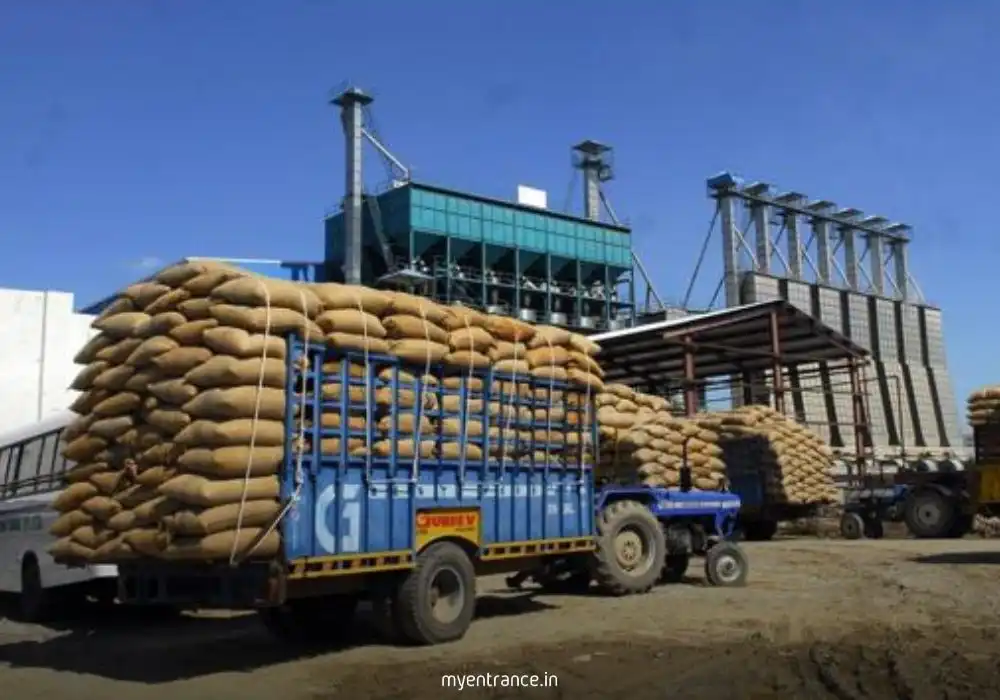
The Unseen Lifeline: Why Agricultural Transportation Matters
In the vast and diverse agricultural landscape of India, connecting the farm gates to bustling consumer markets is a monumental task, one that hinges entirely on efficient transportation. Imagine the journey of a farmer’s fresh produce – fruits, vegetables, flowers, or even processed goods – from a remote village to your plate. This journey is often fraught with challenges, yet it is undeniably the lifeline that sustains the livelihoods of millions and ensures food security for the nation. Understanding the intricacies of agricultural transportation isn’t just an academic exercise; it’s a critical component for anyone preparing for competitive examinations like UPSC, SSC, PSC, or even NID and NIFT, as it touches upon economics, geography, logistics, and current affairs. It illustrates the fundamental “why” behind the continuous efforts to improve our infrastructure: to move goods efficiently and effectively. Follow this last-minute study plan for aspirants to structure your final hours of study.
Kashmir’s Horticultural Heartbreak: A Case Study in Vulnerability
The vulnerability of agricultural supply chains was recently starkly highlighted by a real-world crisis in Kashmir. For an agonizing thirteen days, the vital Srinagar-Jammu National Highway, often termed the valley’s economic artery, remained shut due to relentless heavy rains and devastating landslides. This closure wasn’t merely an inconvenience; it triggered a full-blown crisis for Kashmir’s flourishing horticulture sector. The valley, renowned for its apples, saffron, and other delicate produce, found its lifeline severed. Fresh consignments of highly perishable goods, destined for markets across India, were stranded, leading to immense losses for farmers and a scarcity in consuming regions. This incident underscored a fundamental “what” happens when critical transport links fail, and “where” geographic and infrastructural challenges can severely impact agricultural trade, particularly in sensitive regions.
Bridging the Gap: How Railways Stepped In
In response to this dire situation, a timely “how” emerged: the Indian Railways. Demonstrating remarkable agility and strategic foresight, the Railways introduced a daily time-tabled parcel train service. Originating from Budgam in Kashmir and terminating at Adarsh Nagar in Delhi, this initiative provided a crucial alternative route. This move effectively bypassed the road blockade, allowing horticultural produce to reach distant markets with greater speed and reliability. This intervention showcased the power of multi-modal transportation, specifically how railways can offer a robust solution when road networks falter. For aspiring civil servants, this event serves as an excellent example of government responsiveness and the strategic importance of integrated infrastructure planning in mitigating agricultural market disruptions. It answers “what” kind of solutions are deployed during crises and “when” they become critical.
Deeper Dive: Unpacking Downstream Linkages and Challenges
The term “downstream linkages” in agriculture refers to everything that happens to the produce *after* it leaves the farm gate, all the way to the consumer. This includes storage, processing, transportation, packaging, and marketing. While the Kashmir incident highlighted transportation as a bottleneck, the challenges are often far more extensive across India. Many regions suffer from inadequate cold chain infrastructure, meaning temperature-sensitive produce lacks proper refrigerated storage and transport, leading to significant post-harvest losses. Poor last-mile connectivity, where interior villages struggle with access to main roads or railway stations, further exacerbates the problem. The “how” of overcoming these challenges involves substantial investment in integrated logistics parks, modern warehousing facilities, and an efficient network of refrigerated trucks and trains. Policy initiatives like the Pradhan Mantri Kisan SAMPADA Yojana aim to address these gaps by promoting food processing and cold chain infrastructure. You can build a strong foundation with our comprehensive static gk guide.
Building Resilience: The Path Forward for Agricultural Logistics
Ensuring resilient and efficient agricultural transportation is crucial for India’s economic stability and food security. It demands a holistic approach that considers not just roads or railways in isolation, but an integrated network leveraging all available modes of transport – road, rail, waterways, and even air for high-value, perishable goods. The “what” for the future involves smart logistics planning, utilizing technology for tracking and tracing, and fostering collaborations between government bodies, private sector players, and farmer producer organizations. By investing in robust infrastructure and proactive disaster management strategies, we can minimize the impact of unforeseen events, strengthen the agricultural backbone of our nation, and ensure that the efforts of our farmers are never wasted due to a broken chain of connectivity. Our daily current events quiz for psc exams is tailored for state-level preparations.
Frequently Asked Questions (FAQs)
1. What are “downstream linkages” in agriculture, and why are they important?
Downstream linkages in agriculture refer to all the activities and processes that occur after farm produce leaves the primary production stage. This includes collection, storage, processing, packaging, transportation, and marketing until it reaches the final consumer. They are crucial because efficient downstream linkages minimize post-harvest losses, ensure timely delivery of fresh produce, fetch better prices for farmers, and maintain food quality and availability for consumers.
2. Why is the Srinagar-Jammu National Highway considered vital for Kashmir’s economy?
The Srinagar-Jammu National Highway is the sole all-weather road connecting the Kashmir Valley with the rest of India. It serves as the primary artery for transporting essential goods into the valley and, more importantly, for exporting Kashmir’s horticultural produce like apples, saffron, and dry fruits to markets nationwide. Its closure directly cripples trade, impacts livelihoods, and can lead to shortages and significant economic losses for the region.
3. How does the Indian Railways’ parcel train service benefit agricultural logistics, especially for perishable goods?
The Indian Railways’ parcel train service provides a cost-effective, high-volume, and relatively faster mode of transport over long distances compared to road transport. For perishable agricultural goods, time-tabled parcel trains ensure predictable transit times, reducing the risk of spoilage. When road networks are disrupted, as seen with the Srinagar-Jammu Highway closure, rail services offer a crucial alternative, maintaining supply chains and supporting farmers’ incomes by preventing their produce from going to waste.
4. What are some major challenges faced by India’s agricultural supply chain beyond just transportation?
Beyond transportation, India’s agricultural supply chain faces several significant challenges. These include a severe lack of adequate cold storage and cold chain infrastructure, leading to substantial post-harvest losses. There are also issues with fragmented markets, multiple intermediaries, poor access to modern warehousing facilities, insufficient processing units, and a lack of standardized grading and packaging, all of which reduce efficiency and farmer profitability.
5. How do natural disasters, like heavy rains and landslides, specifically impact agricultural transportation and economy?
Natural disasters such as heavy rains and landslides severely disrupt agricultural transportation by damaging roads, bridges, and railway lines, leading to blockades and delays. This directly impacts the economy by stranding perishable produce, causing spoilage and immense financial losses for farmers. It also disrupts the supply of essential inputs to farms, leads to market price volatility due to scarcity, and can isolate entire regions, severely affecting their economic activity and food security.





