
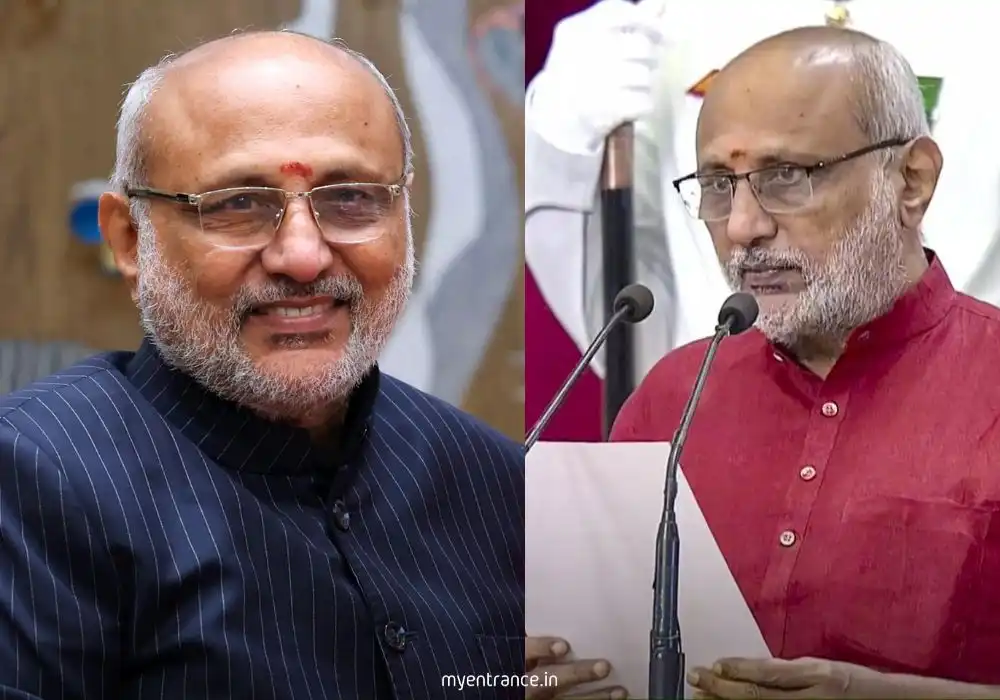
A New Chapter in India’s Constitutional Leadership
India recently marked a significant moment in its constitutional journey with the swearing-in of Chandrapuram Ponnusamy (C.P.) Radhakrishnan as the nation’s 15th Vice President. This pivotal event, which unfolded on September 12, 2025, at the historic Rashtrapati Bhavan in New Delhi, saw the former Governor of Maharashtra assume the second-highest constitutional office, stepping into a role critical for the functioning of India’s parliamentary democracy. For aspirants targeting esteemed government examinations like UPSC, SSC, PSC, NID, NIFT, and various other competitive tests, understanding the nuances of this appointment goes far beyond mere current affairs; it delves into the core of Indian Polity and static general knowledge. This curated static gk syllabus for all exams helps you focus on what truly matters.
The Vice President’s Pivotal Role: Why This Office Matters
The office of the Vice President of India holds immense significance, acting as a cornerstone of the nation’s governance structure. Constitutionally, the Vice President is not only next in line to the President but also serves as the ex-officio Chairman of the Rajya Sabha, the Upper House of the Indian Parliament. This dual responsibility places them at the heart of legislative proceedings, where they maintain decorum, preside over sessions, and ensure the smooth conduct of parliamentary business. Furthermore, in the event of the President’s inability to discharge duties due to absence, illness, resignation, removal, or death, the Vice President steps in as the Acting President, underscoring the critical importance of this position in ensuring continuity and stability in the highest echelons of leadership. Knowing the powers, functions, and constitutional articles related to this office is absolutely essential for any serious exam preparation.
C.P. Radhakrishnan: A Profile of the 15th Vice President
C.P. Radhakrishnan brings a wealth of experience to this esteemed office. Prior to his elevation, he served as the Governor of Maharashtra, a role that provided him with deep insights into state administration and governance. His appointment as the 15th Vice President follows the tenure of his predecessor, Jagdeep Dhankar, highlighting a continuity in the constitutional process of leadership transition. Understanding the background of key constitutional officeholders, including their previous roles and achievements, often features in the general awareness sections of competitive exams, making his profile a point of interest for aspirants. His journey reflects the diverse paths individuals take to reach such high constitutional positions.
The Ceremony: A Glimpse into Constitutional Protocol
The swearing-in ceremony itself is a testament to the meticulous constitutional protocols that govern India’s democratic institutions. Administered by the President of India, Droupadi Murmu, at a brief yet solemn ceremony within the grand confines of Rashtrapati Bhavan, the event symbolized the formal transfer of responsibility and the sacred pledge to uphold the Constitution. Such ceremonies, though seemingly routine, are imbued with deep symbolism, reinforcing the rule of law and the democratic principles upon which India is built. Details surrounding who administers the oath, where it takes place, and the sequence of such events are frequently tested in objective-type questions in various examinations. Save time by reading our curated current events for revision that are exam-relevant.
Connecting the Dots for Exam Aspirants: Current Affairs and Static GK
For students preparing for competitive examinations, C.P. Radhakrishnan’s assumption of office serves as a crucial point of intersection between current affairs and static general knowledge, particularly in the domain of Indian Polity.
* Current Affairs Relevance: Directly, questions might ask: “Who is the 15th Vice President of India?” or “On what date did C.P. Radhakrishnan take oath as Vice President?” These are straightforward and test immediate recall of recent events. Our daily news quiz and current affairs sections at myentrance.in are specifically designed to help you master such questions.
* Static General Knowledge (Indian Polity): The appointment opens doors to a broader understanding of the Vice President’s office as enshrined in the Constitution. Aspirants must delve into:
* Constitutional Articles: Key articles related to the Vice President (e.g., Article 63 stating there shall be a Vice President of India, Article 64 for ex-officio Chairman of Rajya Sabha, Article 66 for election, Article 67 for term of office).
* Electoral Process: How is the Vice President elected? (Electoral College comprising members of both Houses of Parliament through proportional representation by means of a single transferable vote).
* Qualifications: What are the eligibility criteria for becoming Vice President? (Citizen of India, 35 years of age, qualified for election as a member of the Rajya Sabha).
* Powers and Functions: Beyond being Chairman of Rajya Sabha, what are their other responsibilities, especially when acting as President?
* Removal Process: Understanding the procedure for removing a Vice President from office.
* Historical Context: Knowing the lineage of Vice Presidents, and significant events or constitutional amendments related to the office.
By providing interactive examinations and detailed answers, myentrance.in helps you not just learn these facts but also understand their application, ensuring you are well-prepared for any question on this topic. Regular engagement with our static general knowledge content and examination tips will solidify your understanding of these fundamental aspects of Indian governance. Staying updated on such developments, and critically analyzing their broader implications, is a hallmark of successful exam preparation.
Frequently Asked Questions (FAQs)
Q1: Who is the 15th Vice President of India?
A1: Chandrapuram Ponnusamy (C.P.) Radhakrishnan has been sworn in as the 15th Vice President of India.
Q2: What are the primary duties of the Vice President of India?
A2: The Vice President primarily serves as the ex-officio Chairman of the Rajya Sabha (the Upper House of Parliament) and acts as the President in case of the President’s absence, illness, resignation, removal, or death.
Q3: When and where did C.P. Radhakrishnan take his oath of office?
A3: C.P. Radhakrishnan took his oath of office on September 12, 2025, at a ceremony held in Rashtrapati Bhavan in New Delhi.
Q4: Who administered the oath of office to the new Vice President?
A4: The President of India, Droupadi Murmu, administered the oath of office to C.P. Radhakrishnan.
Q5: Who did C.P. Radhakrishnan succeed as the Vice President of India?
A5: C.P. Radhakrishnan succeeded Jagdeep Dhankar as the Vice President of India.





