
Many students preparing for competitive examinations like UPSC, SSC, PSC, NID, NIFT, and other government sector roles often encounter intriguing questions about India’s diverse geography and agricultural landscape. One such fact that frequently surfaces in general knowledge sections is about a particular region known for its exceptional ginger production. It’s a fascinating insight into India’s rich agricultural tapestry, revealing how specific areas become synonymous with certain crops.
Chhindwara: India’s Ginger Capital Unveiled
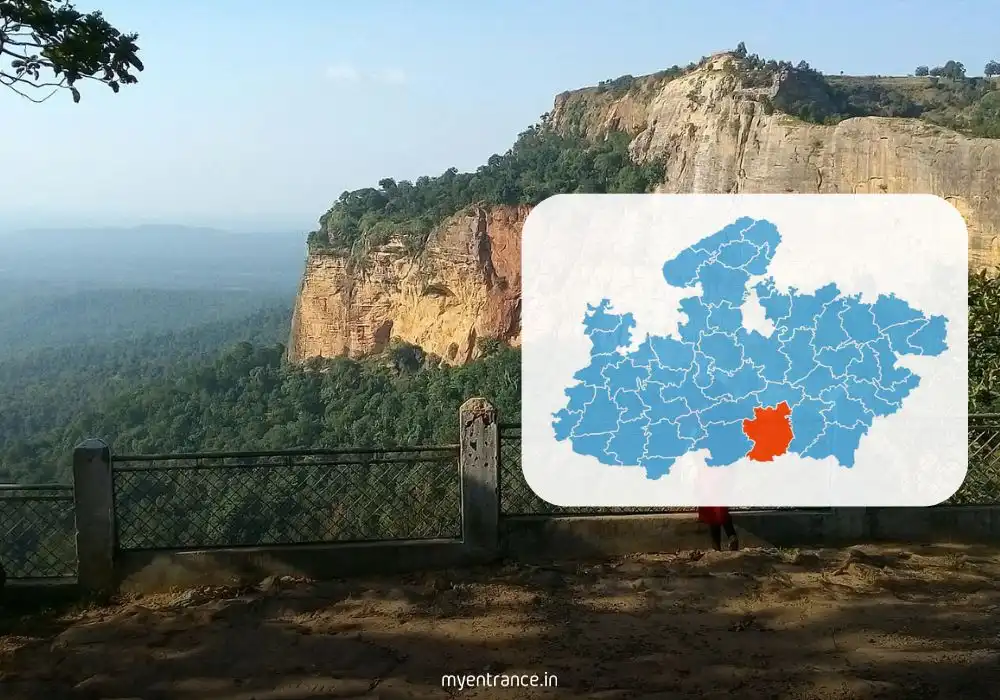
When we speak of the “Ginger City of India,” our focus invariably turns to the Chhindwara district in Madhya Pradesh. This region proudly bears the esteemed title, a testament to its significant contribution to the nation’s ginger output. The recognition isn’t merely an informal nickname; it reflects Chhindwara’s consistent and substantial role as a leading producer of this versatile spice, making it a crucial hub for ginger cultivation in the country. For aspirants, remembering this district and its state is a key piece of information that frequently appears in quizzes and current affairs updates.
The Roots of Success: Why Chhindwara Thrives
The flourishing ginger cultivation in Chhindwara is no accident; it is deeply rooted in the region’s geographical advantages and dedicated agricultural practices. Chhindwara benefits from a climate and soil composition that are particularly conducive to ginger growth, allowing farmers to achieve high yields and quality produce. The district’s unique agro-climatic conditions, characterized by well-drained loamy soils and adequate rainfall, create an ideal environment for ginger rhizomes to develop robustly. Over generations, farmers in Chhindwara have honed their expertise, employing traditional knowledge alongside modern techniques to maximize production. This sustained effort and the superior quality of ginger produced here have cemented Chhindwara’s reputation, contributing significantly to both the local economy and India’s overall agricultural prowess. Understanding these underlying factors helps in appreciating *how* specific regions earn such distinctive appellations.
Ginger’s Broader Impact: From Kitchen to Economy
Beyond Chhindwara’s fields, ginger holds immense importance for India as a whole. Revered for its pungent flavor and myriad health benefits, ginger is a staple in Indian cuisine, medicine, and traditional remedies. India is, in fact, one of the world’s leading producers of ginger, exporting it globally and contributing substantially to the country’s agricultural economy. This perennial herbaceous plant is not just a spice; it’s a cash crop that supports countless livelihoods, from farmers and traders to those involved in processing and packaging. Its uses range from fresh consumption to dried forms, powders, and essential oils, making it a highly valuable commodity. Knowledge about such key agricultural products and their prominent producing regions is vital for competitive exams, as it touches upon economic geography, agricultural policy, and India’s global trade standing.
Mastering General Knowledge for Competitive Exams
For anyone aiming to excel in competitive examinations, grasping facts like “Which Indian District is known as the Ginger City?” goes beyond mere memorization. It’s about building a comprehensive understanding of India’s diverse resources, economic drivers, and geographical specialties. Such questions test your general awareness, your ability to connect geographical locations with their economic significance, and your grasp of current affairs related to agriculture and regional development. Resources available on platforms like myentrance.in specifically cater to this need, offering interactive examinations, daily news quizzes, and static general knowledge insights that help you not just learn facts, but understand their context and importance. By engaging with these materials, you can confidently answer questions on subjects ranging from agricultural hubs to cultural landmarks, giving you a distinct edge in your examination preparation for SSC, UPSC, PSC, NID, NIFT, and similar government exams. Memorize the essential facts and figures for exam prep found in this compiled list.
Frequently Asked Questions
Q1: Which Indian district is famously known as the “Ginger City of India”?
A1: The Chhindwara district, located in the state of Madhya Pradesh, is widely recognized and known as the “Ginger City of India” due to its extensive and high-quality ginger production.
Q2: In which Indian state is Chhindwara district situated?
A2: Chhindwara district is situated in the central Indian state of Madhya Pradesh, which is known for its diverse agricultural landscape and rich natural resources.
Q3: Why is Chhindwara referred to as the “Ginger City”?
A3: Chhindwara earns its title as the “Ginger City” because of its consistently large-scale cultivation and significant contribution to India’s total ginger output, supported by favorable climatic conditions and fertile soils.
Q4: What makes ginger an important crop for India?
A4: Ginger is an important crop for India due to its extensive use in culinary preparations, its recognized medicinal properties in traditional systems like Ayurveda, and its significant economic value as a cash crop and export commodity, supporting numerous livelihoods.
Q5: How is knowing about regions like the “Ginger City” beneficial for competitive exam aspirants?
A5: Understanding facts about regions like the “Ginger City” is crucial for competitive exam aspirants as it enhances their general knowledge, helps them in geography and current affairs sections, and provides context for questions related to India’s agriculture, economy, and regional specialties.





