
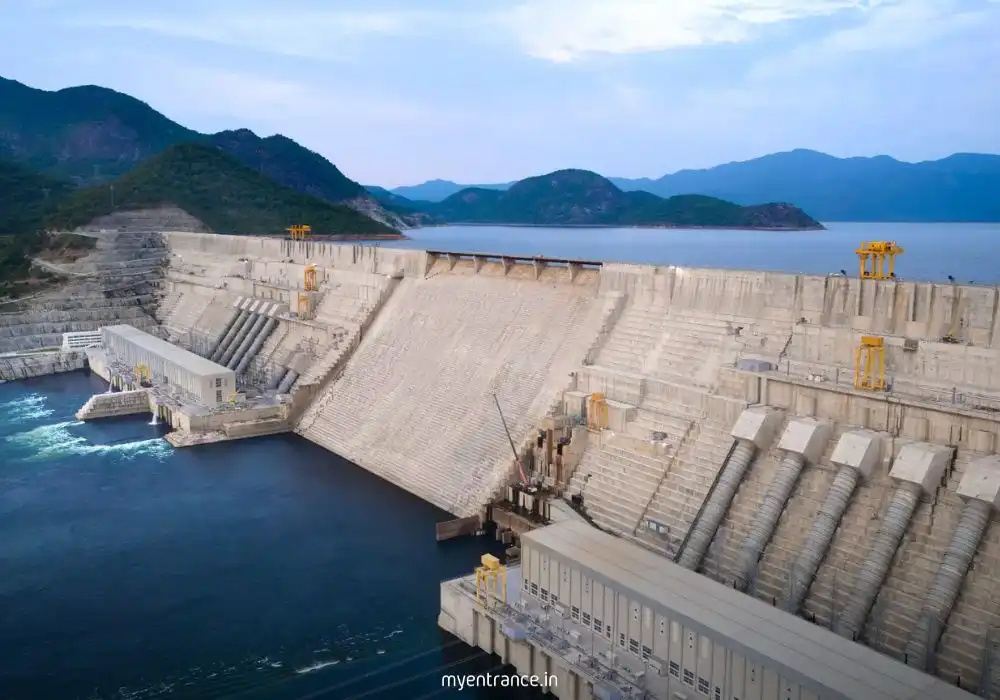
A New Era of Development on the Blue Nile
The landscape of the Blue Nile in Ethiopia is being profoundly reshaped by the Grand Ethiopian Renaissance Dam (GERD), a truly monumental engineering feat. This ambitious project represents a significant stride for Ethiopia’s aspirations, aiming to dramatically transform the nation’s energy sector and contribute to broader regional development. As a topic of considerable geopolitical and environmental importance, understanding GERD is crucial for anyone preparing for competitive examinations such as UPSC, SSC, PSC, or even staying informed on global current affairs and static general knowledge.
The Vision and Purpose Behind GERD: Why It Was Built
At its core, the primary objective behind the construction of the Grand Ethiopian Renaissance Dam is to address Ethiopia’s severe energy deficit and foster sustainable economic growth. Ethiopia, a nation with immense hydroelectric potential, has long struggled with limited electricity access for a significant portion of its population. GERD is designed to harness the power of the Blue Nile to generate a massive amount of clean, renewable electricity, which will not only meet domestic demand but also position Ethiopia as a vital energy hub for the entire Horn of Africa region. By generating and potentially exporting surplus power, the dam is envisioned to drive industrialization, create jobs, and improve living standards, fundamentally reshaping the country’s economic future and its standing on the continent. This curated static gk syllabus for all exams helps you focus on what truly matters.
Locating the Colossus: Where the Dam Stands
The Grand Ethiopian Renaissance Dam is strategically situated on the Blue Nile River, specifically in the Guba region of Benishangul-Gumuz, a western province of Ethiopia. This particular location was chosen for its optimal hydrological and geological conditions, allowing for the construction of a large-scale dam that can effectively store and regulate the river’s flow for power generation. Its position near the Sudanese border also highlights its regional significance and the complex interplay of water resources in the Nile Basin.
The Journey of Construction: When It All Began
The ambitious journey to build the Grand Ethiopian Renaissance Dam commenced in 2011, marking the beginning of a decade-long national effort. From its groundbreaking to the recent inauguration of its initial power generation units, the project has been a testament to Ethiopia’s determination to realize its developmental goals through self-financing and national pride. While the full operational capacity is yet to be reached, the commencement of power generation from parts of the dam signifies a major milestone, demonstrating tangible progress and the eventual fulfillment of its intended purpose.
Regional Implications and Ongoing Dialogue: The Broader How
While GERD promises immense benefits for Ethiopia, its sheer scale and location on a transboundary river like the Nile naturally lead to significant regional implications. Downstream nations, particularly Egypt and Sudan, whose economies and populations are heavily dependent on the Nile’s waters, have expressed concerns regarding the dam’s potential impact on their water security and existing water rights. These concerns primarily revolve around the speed and duration of the dam’s reservoir filling process and its long-term operational rules. Consequently, the construction and operation of GERD have spurred extensive diplomatic efforts and negotiations between the three riparian states. The ongoing dialogue underscores the critical importance of cooperative water resource management and the need for mutually beneficial agreements to ensure equitable use of the Nile’s shared waters, transforming this engineering marvel into a focal point of international relations and environmental policy. We compile today’s current events for aspirants into a digestible format.
Frequently Asked Questions (FAQs)
1. What is the primary purpose of the Grand Ethiopian Renaissance Dam (GERD)?
The main objective of GERD is to generate a massive amount of hydroelectric power to meet Ethiopia’s growing energy demand, support its economic development, and establish the nation as a major electricity exporter in the Horn of Africa.
2. Where is the Grand Ethiopian Renaissance Dam specifically located?
The GERD is located on the Blue Nile River in the Guba region of Benishangul-Gumuz, western Ethiopia, close to the border with Sudan.
3. When did the construction of the GERD project begin?
Construction of the Grand Ethiopian Renaissance Dam officially commenced in the year 2011.
4. Which countries have expressed significant concerns about the GERD’s operation, and why?
Egypt and Sudan are the primary downstream nations that have expressed concerns. Their worries center on the potential impact of the dam’s filling and operation on their historical water shares and overall water security from the Nile River, on which their populations and economies heavily depend.
5. How is the GERD expected to influence Ethiopia’s role in the Horn of Africa?
The GERD is anticipated to transform Ethiopia into a major energy hub within the Horn of Africa, enabling it to export surplus electricity to neighboring countries. This will not only boost Ethiopia’s economy but also significantly enhance its regional influence and reshape power dynamics.





