
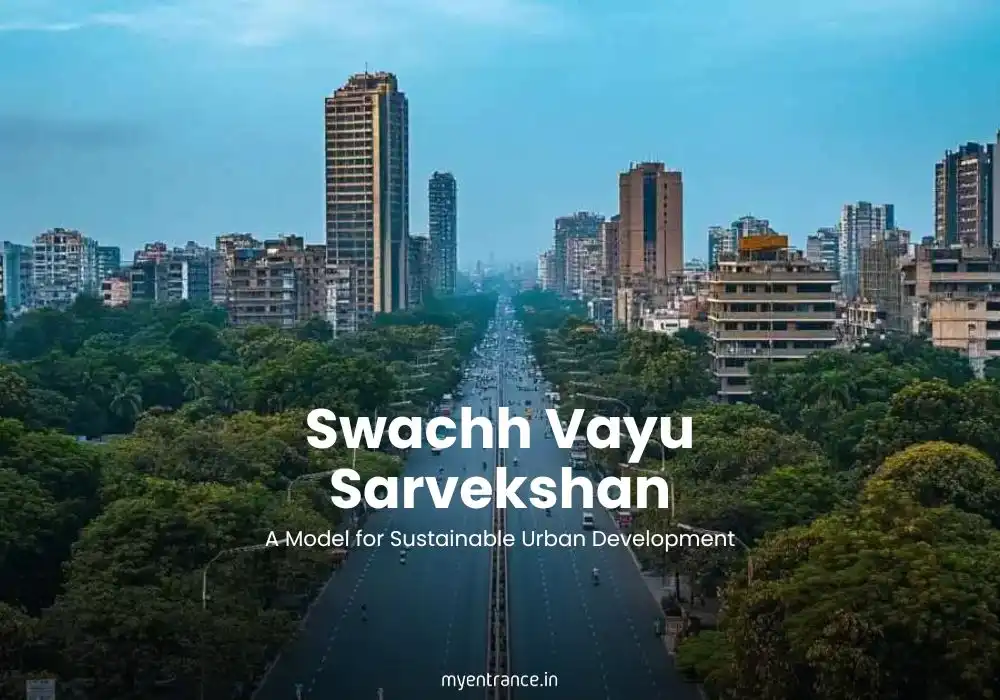
For every aspiring candidate preparing for competitive exams like UPSC, SSC, PSC, NID, NIFT, and other government roles, staying updated with significant national achievements is crucial. One such landmark event is the recent Swachh Vayu Sarvekshan 2025 awards, where Indore once again demonstrated its unwavering commitment to environmental excellence, securing the top position. Understanding the nuances of this survey, the programs behind it, and its broader implications is not just about staying informed; it’s about equipping yourself with vital knowledge for your examination success. Sharpen your skills with these current affairs practice questions updated daily.
Unpacking the Swachh Vayu Sarvekshan: Why It Matters
The Swachh Vayu Sarvekshan, which translates to Clean Air Survey, stands as a pivotal initiative under India’s overarching National Clean Air Program (NCAP). Launched by the Ministry of Environment, Forest and Climate Change (MoEF&CC), this annual survey meticulously assesses the air quality and the diligent implementation of clean air initiatives across numerous Indian cities. The primary objective of this comprehensive survey is to foster a spirit of healthy competition among urban centers, driving them towards continuous improvement in air quality, encouraging the adoption of sustainable environmental practices, and significantly promoting public awareness about environmental health and its direct impact on citizens’ well-being.
The ‘what’ of this survey involves a deeply comprehensive evaluation, where cities are judged based on a multitude of parameters. These include the measurable reduction of particulate matter, the practical effectiveness of various air pollution mitigation strategies, the extent of public participation in environmental drives, and the overall governance structure established for robust air pollution control. In 2025, the survey diligently evaluated 130 cities, carefully categorizing them based on their population size. This categorization ensures a fair comparison and allows for more focused efforts tailored to the specific challenges faced by cities of different scales.
Indore’s Consistent Leadership: A Model for Sustainable Urban Development
Indore, a city that has consistently made headlines for its exemplary urban management and continuous success in various cleanliness drives, has once again set an inspiring benchmark by topping the Swachh Vayu Sarvekshan 2025 in the Category 1 cities. This achievement is far more than just a mere ranking; it vividly represents a dedicated, sustained, and collaborative effort by the city administration, local bodies, and its engaged citizens.
So, ‘why’ does Indore consistently lead these environmental initiatives? Experts and analysts frequently point to several key factors contributing to its remarkable success. These include its highly efficient and robust waste management systems, which minimize air pollution from incineration; the proactive promotion of green and sustainable public transport options; stringent and effectively enforced industrial pollution control measures; and widespread, engaging public awareness campaigns that cultivate a sense of shared responsibility. The city’s integrated approach, where various municipal departments and stakeholders collaborate seamlessly on environmental goals, plays a particularly significant role in its sustained success. Indore’s consistent leadership serves as an inspiring and practical model for other urban centers across the nation striving for better air quality and a healthier, more sustainable environment for their residents. These emergency exam prep resources are designed for situations when time is limited.
The National Clean Air Program (NCAP): India’s Commitment to Cleaner Air
Understanding the nuances of the Swachh Vayu Sarvekshan is incomplete without grasping the foundational vision and ambitious goals behind the National Clean Air Program (NCAP). ‘When’ was NCAP launched? It was officially initiated in 2019 with the ambitious and crucial goal of achieving a 20% to 30% reduction in particulate matter concentration by the year 2024, using 2017 as the baseline year for measurement. The program specifically targets and aims to address air pollution across 131 identified non-attainment cities – these are urban areas that consistently fail to meet the stipulated national ambient air quality standards.
NCAP provides a comprehensive, structured framework for developing and implementing city-specific action plans. These plans emphasize crucial components such as detailed source apportionment studies to identify pollution origins, the deployment of advanced technological solutions for pollution control, and significant capacity building among local authorities and environmental agencies. The ‘how’ of NCAP involves a truly multi-sectoral approach, requiring active engagement and collaboration from various central ministries, state governments, and local bodies. Together, they work to implement targeted interventions that range from industrial emission control and vehicular pollution management to waste management and promoting cleaner energy sources, all working towards the common goal of improving air quality across India.
Your Path to Exam Success: Leveraging Environmental Current Affairs
For candidates meticulously preparing for highly competitive examinations, this topic – the Swachh Vayu Sarvekshan and the broader NCAP – is nothing short of a goldmine of information. It falls squarely under multiple critical exam categories: ‘Current Affairs’ for its recent developments, ‘General Knowledge’ for its foundational environmental initiatives, and ‘Environment & Ecology’ which is a crucial subject for exams like UPSC and State PSCs.
Examinations could feature questions about the core objectives of NCAP, the specific cities involved in the clean air initiatives, the detailed parameters used in the Swachh Vayu Sarvekshan, or specific achievements like Indore’s consistent top ranking. At MyEntrance.in, we understand the importance of mastering such critical topics. We offer interactive examinations, comprehensive daily news quizzes, and detailed current affairs sections that extensively cover these crucial areas. Regularly engaging with our static GK resources and examination tips will help you not only grasp these complex concepts but also ensure you are well-prepared to tackle any question related to India’s environmental policies and awards, paving your way to a clear path to success.
Frequently Asked Questions (FAQs)
Q1: What is the primary goal of the Swachh Vayu Sarvekshan?
A1: The primary goal of the Swachh Vayu Sarvekshan is to evaluate cities’ efforts in improving their air quality and to encourage healthy competition among them to adopt and implement better environmental practices and policies.
Q2: Under which national program is the Swachh Vayu Sarvekshan conducted?
A2: The Swachh Vayu Sarvekshan is conducted under the National Clean Air Program (NCAP), a flagship initiative spearheaded by the Ministry of Environment, Forest and Climate Change (MoEF&CC).
Q3: Which city secured the top rank in the Swachh Vayu Sarvekshan 2025 awards?
A3: Indore, a city in Madhya Pradesh consistently recognized for its excellent urban management and cleanliness, secured the first position in the Category 1 cities for the Swachh Vayu Sarvekshan 2025.
Q4: What kind of exams would typically include questions about the Swachh Vayu Sarvekshan or NCAP?
A4: Questions related to this important topic are common in a wide range of government examinations, including UPSC Civil Services, SSC CGL/CHSL, various State PSCs, and other competitive examinations that assess candidates’ knowledge of current affairs, general knowledge, and environmental awareness.
Q5: How can aspirants effectively prepare for environmental current affairs topics like this?
A5: Aspirants should regularly follow daily news, actively engage with current affairs quizzes, and meticulously study static general knowledge related to environmental policies, initiatives, and awards. Platforms like MyEntrance.in provide dedicated resources, including interactive tests and detailed explanations, specifically designed to aid in this comprehensive preparation.





