
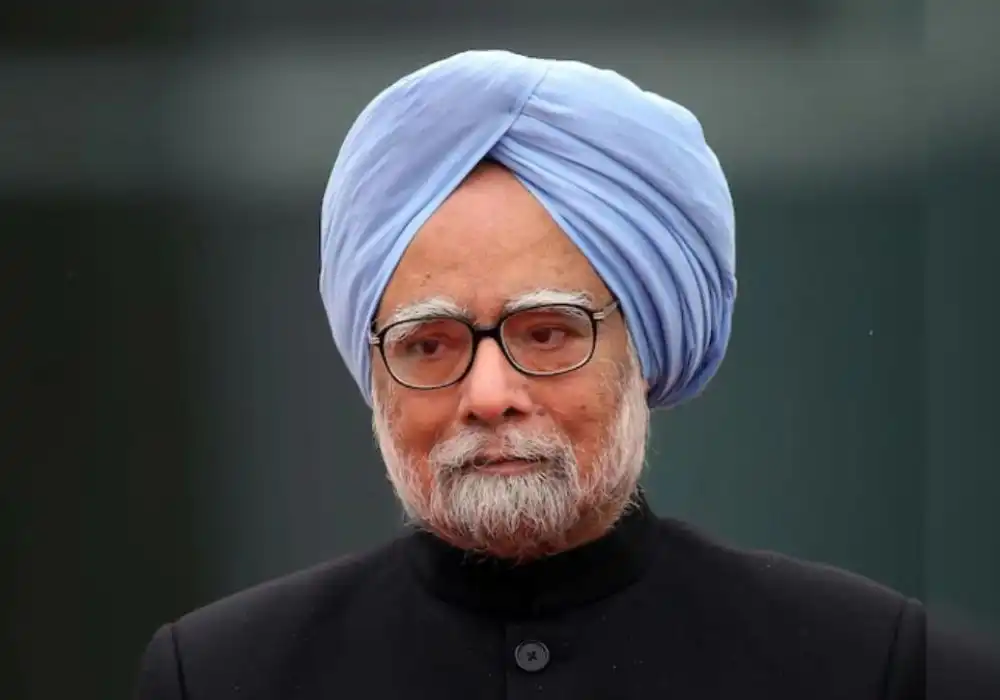
In the dynamic world of competitive examinations, staying abreast of significant national developments, especially those honoring pivotal figures, is not just about current affairs – it’s about understanding the fabric of our nation. Recently, the profound legacy of former Prime Minister and architect of India’s economic liberalization, Dr. Manmohan Singh, was once again brought into focus. He was posthumously conferred the prestigious P.V. Narasimha Rao Memorial Award for Economics, an event that carries immense weight for anyone preparing for exams like UPSC, SSC, PSC, NID, NIFT, and other government service examinations. This recognition underscores the monumental contributions that shaped modern India and provides crucial insights for your exam preparation journey. This guide on how to prepare for an exam at the last minute is a lifesaver for cramming.
The Esteemed Recognition: What and Why
On September 10, 2025, a significant ceremony in New Delhi marked a moment of national remembrance and appreciation. Dr. Manmohan Singh, whose name is synonymous with India’s economic transformation, was honored with the P.V. Narasimha Rao Memorial Award for Economics. This award, instituted in the memory of another towering figure in Indian politics and economics, P.V. Narasimha Rao, is bestowed upon individuals who have made extraordinary contributions to the nation’s economic landscape and overall development. The decision to confer this award posthumously to Dr. Singh speaks volumes about the enduring impact of his policies and vision, acknowledging his unparalleled role in steering India towards an era of economic growth and global integration. The award was gracefully accepted by his wife, Gursharan Kaur, on his behalf, symbolizing a nation’s gratitude for a leader who often worked behind the scenes to engineer revolutionary changes.
A Legacy of Transformation: How Dr. Singh Shaped India’s Economy
Dr. Manmohan Singh’s economic philosophy and actions are central to understanding contemporary India. His most significant contribution undoubtedly came in 1991, when, as the Finance Minister in P.V. Narasimha Rao’s cabinet, he spearheaded a series of bold and unprecedented economic reforms. India, at the time, was facing a severe balance of payments crisis. It was Dr. Singh’s visionary leadership that introduced policies of liberalization, privatization, and globalization, commonly referred to as LPG reforms. These reforms fundamentally altered India’s economic trajectory, dismantling the ‘License Raj,’ opening up the economy to foreign investment, and integrating India into the global market. This historic shift led to sustained economic growth, poverty reduction, and the emergence of India as a significant global economic power. Understanding the ‘why’ behind these reforms – the economic crisis – and the ‘how’ – the specific policies implemented – is crucial for any competitive exam aspirant, as it frequently forms the basis of questions in economics, history, and current affairs sections. His work laid the groundwork for the modern Indian economy, making him a subject of immense interest for detailed study.
Connecting the Dots for Your Competitive Exams
For students utilizing resources from myentrance.in, this event serves as a perfect example of how current affairs seamlessly blend with static general knowledge and economic principles. The P.V. Narasimha Rao Memorial Award for Economics is not just a piece of news; it’s a gateway to understanding critical topics for your exams.
* Current Affairs: This event itself is a vital current affairs update, providing context on recent accolades and national recognition. Daily news quizzes and current affairs sections on myentrance.in will definitely feature such key happenings.
* Static General Knowledge: It prompts a deeper dive into the biographies of Dr. Manmohan Singh and P.V. Narasimha Rao, their roles in Indian politics, and their economic policies. Questions on India’s economic history, particularly the 1991 reforms, are common in UPSC, SSC, and PSC examinations.
* Economics: Understanding concepts like liberalization, privatization, globalization, balance of payments, and economic growth becomes tangible when studied through the lens of Dr. Singh’s contributions. These are fundamental principles tested in all government exams.
* Examination Tips: This event highlights the importance of connecting names with their key contributions and understanding the historical context of significant policies. Myentrance.in provides interactive examinations and detailed answers that often link such events to broader topics, helping you build a comprehensive understanding.
By delving into the nuances of this award, its recipients, and their legacies, you are not merely memorizing facts but building a robust framework of knowledge that is indispensable for excelling in any competitive examination. Challenge yourself with our daily news quiz for upsc and ssc to test your awareness.
Frequently Asked Questions (FAQs)
Q1: What is the P.V. Narasimha Rao Memorial Award for Economics?
A1: The P.V. Narasimha Rao Memorial Award for Economics is a distinguished honor presented to individuals who have made significant contributions to India’s economic transformation and nation-building, in memory of former Prime Minister P.V. Narasimha Rao.
Q2: Why was Dr. Manmohan Singh posthumously conferred this award?
A2: Dr. Manmohan Singh was awarded for his monumental contributions to India’s economic transformation, particularly his role in ushering in the 1991 economic reforms that liberalized the Indian economy and set it on a path of sustained growth and global integration.
Q3: Who received the award on behalf of Dr. Manmohan Singh?
A3: The award was received by his wife, Gursharan Kaur, on his behalf, at a ceremony held in New Delhi.
Q4: What was Dr. Manmohan Singh’s most significant contribution to India’s economy?
A4: His most significant contribution was spearheading the economic liberalization, privatization, and globalization (LPG) reforms in 1991 as the then Finance Minister, which fundamentally reshaped India’s economic policy and led to rapid growth.
Q5: How is understanding this award and Dr. Singh’s legacy important for competitive exams?
A5: This event is crucial for competitive exams as it covers essential current affairs, historical economic policies (like the 1991 reforms), and the legacies of key political and economic figures (Manmohan Singh, P.V. Narasimha Rao). It provides context for questions in economics, history, and general knowledge sections of exams like UPSC, SSC, and PSC.





