
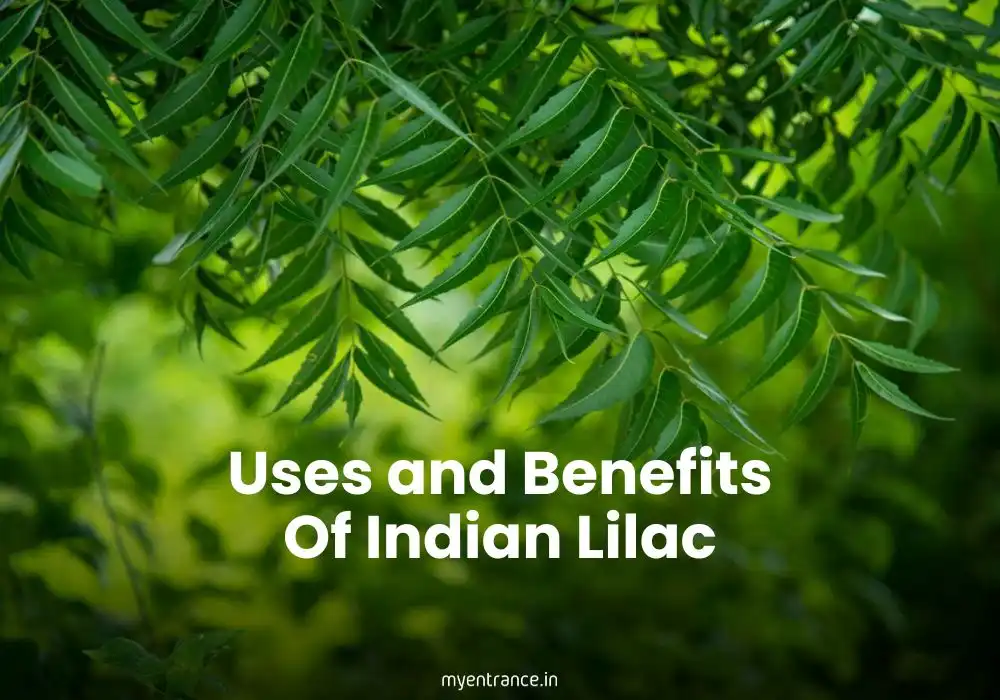
Welcome to myentrance.in, your trusted resource for mastering competitive examinations. Today, we delve into the remarkable world of a plant that is not just a tree, but a treasure trove of knowledge for aspirants like you: Neem. Often referred to by its evocative English name, Indian Lilac, Neem (scientifically known as *Azadirachta indica*) is a fascinating subject that touches upon biology, traditional medicine, environmental science, and current affairs – all areas frequently tested in exams like UPSC, SSC, PSC, NID, NIFT, and other government recruitment tests.
What Exactly is Neem? A Botanical Overview
Neem is a fast-growing, evergreen tree native to the Indian subcontinent, also found thriving in tropical and semi-tropical regions worldwide. While “Indian Lilac” captures its beauty and origin, it is also popularly known as the “Village Pharmacy” or “Sarva Roga Nivarini” (the curer of all ailments) in Sanskrit, highlighting its profound historical significance. Every part of this tree, from its roots to its leaves, flowers, fruits, and bark, is celebrated for possessing unique and powerful properties. Understanding its botanical classification and geographical spread is foundational for general knowledge sections of many examinations.
Why Neem Matters: A Multifaceted Marvel for Exam Aspirants
The importance of Neem extends far beyond its scientific classification. For centuries, it has been an integral part of traditional Indian medicine, particularly Ayurveda, where its healing potential is extensively documented. Its historical and cultural value in India is immense, with the tree often associated with health, well-being, and even spiritual significance. For competitive exam preparation, Neem’s relevance is multifold. Questions on medicinal plants, traditional knowledge systems, or even agricultural practices often feature this wonder tree. Its natural pesticidal qualities and role in organic farming make it a key topic in environmental science and sustainable agriculture discussions, which are increasingly prominent in modern examination patterns. Recognizing Neem’s diverse applications provides candidates with a broader perspective, critical for analytical questions.
The Versatile Uses and Profound Benefits of Indian Lilac
The sheer versatility of Neem is what makes it such a compelling subject. Its myriad uses and benefits are derived from the rich array of active compounds found throughout the plant.
* Health and Wellness: Neem leaves are widely used for their antiseptic, anti-inflammatory, and anti-bacterial properties. They are often incorporated into skincare products to treat acne and other skin conditions, and their extract is known to support dental hygiene, forming an age-old tradition of using Neem twigs as natural toothbrushes. In Ayurveda, Neem bark, leaves, and oil are used internally for blood purification, boosting immunity, and managing various systemic conditions.
* Agriculture and Pest Control: One of Neem’s most significant contributions is in sustainable agriculture. Neem oil, extracted from its seeds, is a potent natural pesticide and insecticide. It acts as an antifeedant, repellent, and growth disruptor for over 200 species of pests, making it an environmentally friendly alternative to chemical pesticides. This application is crucial for topics related to organic farming, environmental sustainability, and agricultural economics in competitive exams.
* Environmental Impact: Beyond pest control, Neem trees contribute significantly to environmental health. They are excellent for reforestation projects, help improve soil fertility, and sequester carbon dioxide, playing a role in mitigating climate change. Knowledge of these ecological benefits can be vital for answering questions in environmental studies and geography sections.
* Cosmetics and Other Uses: Neem extracts are popular ingredients in a range of cosmetic products, including soaps, shampoos, and lotions, owing to their purifying and soothing properties. Its wood is also used for furniture and construction, though its primary value lies in its medicinal and agricultural applications.
Neem in the Context of Your Competitive Examinations
As you prepare for rigorous exams like UPSC Civil Services, SSC CGL, various PSC examinations, or entrance tests for design institutes like NID and NIFT, understanding topics like Neem becomes an asset. You might encounter questions related to its scientific name, its role in traditional medicine, its impact on sustainable agriculture, or even current initiatives promoting its cultivation. The ability to connect such seemingly disparate facts underscores a holistic understanding, a trait highly valued in these examinations. Myentrance.in aims to equip you with this comprehensive knowledge, turning every topic into a stepping stone towards your success.
Frequently Asked Questions (FAQs)
1. What is the most common English name for the Neem tree?
The most widely accepted and popular English name for the Neem tree is “Indian Lilac.” It also carries other evocative names like “Wonder Tree” or “Village Pharmacy” due to its extensive medicinal properties.
2. Which ancient Indian medicinal system prominently features Neem?
Neem is a cornerstone of Ayurveda, the traditional Indian system of medicine. Its various parts are extensively used in Ayurvedic formulations for a wide range of health benefits and treatments.
3. Besides its medicinal uses, what are some significant non-medical applications of Neem?
Beyond medicine, Neem is highly valued in agriculture as a natural pesticide and insecticide, helping to protect crops without harmful chemicals. It’s also used in cosmetics for skincare and hair care, and its timber is utilized for construction.
4. How does Neem contribute to environmental sustainability?
Neem trees play a vital role in environmental sustainability by improving soil fertility, aiding in reforestation efforts, and sequestering carbon dioxide. Its use as a natural pesticide also reduces reliance on synthetic chemicals, benefiting ecosystems.
5. Why is it important for students preparing for competitive exams to know about Neem?
Knowledge about Neem is crucial for competitive exams because it frequently appears in General Knowledge, Science & Technology, Environment, and Current Affairs sections. Questions might cover its botanical aspects, traditional uses, agricultural applications, or environmental impact, testing a candidate’s interdisciplinary understanding.





