
Understanding the Essence of Rare Earth Elements
Rare Earth Elements, often abbreviated as REEs, represent a fascinating group of seventeen distinct metallic elements that are indispensable for our modern world. This unique collection comprises the fifteen lanthanide elements, along with scandium and yttrium, which share remarkably similar chemical properties. While their name might suggest extreme scarcity, a common misconception, these elements are not exceptionally rare in the Earth’s crust. However, their defining characteristic lies in their widespread but diffused distribution, making their concentrated and economically viable extraction a complex and challenging endeavor. These elements are the silent workhorses behind countless innovations, powering everything from your smartphone to advanced defense systems and the burgeoning green energy revolution. You can stay ahead with our gk exam updates delivered straight to you.
The “Rare Earth” Misnomer and Their Geological Presence
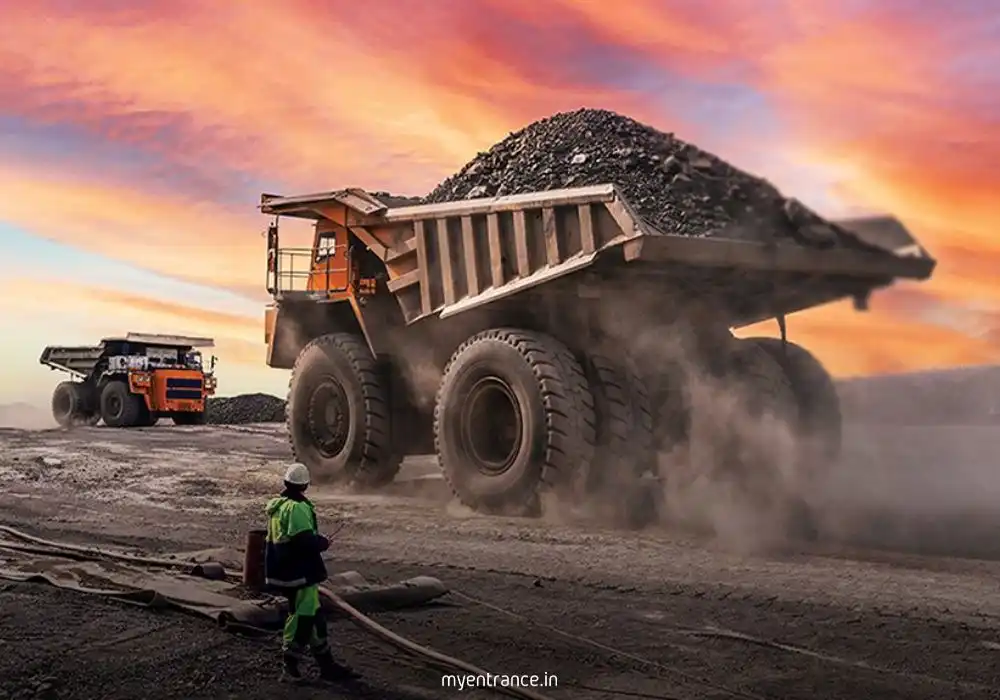
The intriguing name “Rare Earth” originates from their historical discovery in the late 18th and early 19th centuries, when they were first isolated from “earths” – the then-scientific term for oxides – found in uncommon minerals. Unlike gold or iron, which often occur in concentrated veins, REEs are typically found dispersed within various mineral deposits, making their mining and refining process intricate and often environmentally intensive. Geographically, these crucial elements are distributed globally, with significant reserves identified across continents. China has historically dominated the production landscape, possessing vast deposits and advanced processing capabilities, though other nations like the United States, Australia, and India are also home to notable reserves and are actively working towards diversifying the global supply chain. The extraction typically involves open-pit mining, followed by a series of complex chemical separation and refining steps to isolate each individual element due to their very similar chemical behaviors.
The Unseen Power: Applications Shaping Our World
The true significance of Rare Earth Elements stems from their unparalleled properties, which include strong magnetism, unique phosphorescent qualities, and catalytic capabilities. These characteristics make them irreplaceable in a vast array of high-tech and strategic applications. In the realm of cutting-edge electronics, REEs are fundamental components in our daily lives. They enable the vibrant, crystal-clear displays of smartphones, televisions, and computer monitors, while also being vital for the miniature yet powerful motors in vibrating devices and hard drives.
Beyond personal gadgets, their role in renewable energy technologies is transformative. Neodymium, in particular, is a cornerstone for creating incredibly powerful, lightweight permanent magnets. These magnets are absolutely critical for the efficient operation of wind turbines, allowing them to generate electricity effectively, and are equally essential for the motors in electric vehicles (EVs), contributing to their performance and range. Similarly, Samarium-Cobalt magnets, another REE-based marvel, find applications in high-temperature environments. In the defense sector, Rare Earth Elements are non-negotiable for advanced weaponry, guidance systems, radar and sonar technologies, and secure communication devices, underpinning national security infrastructure. Furthermore, they are used as catalysts in petroleum refining, as phosphors in energy-efficient lighting, and in various medical imaging equipment, showcasing their broad and deep integration into modern industrial and technological frameworks. Learn how to prepare for ssc exams effectively without wasting time on irrelevant topics.
Strategic Importance and Geopolitical Impact
The profound utility of Rare Earth Elements elevates them beyond mere industrial commodities; they are strategic assets that have significant geopolitical implications. Their indispensable role in green technologies, such as electric vehicles and wind power, positions them at the forefront of the global transition towards sustainable energy. This dependency creates a critical link between resource availability, technological advancement, and national economic competitiveness. For nations like India, striving for self-reliance and technological leadership, securing a stable and diverse supply of REEs is paramount. Understanding the intricacies of their supply chain, from mining to processing and manufacturing, becomes essential for policy-makers and competitive exam aspirants alike. The global competition for these resources, coupled with the environmental challenges associated with their extraction, makes Rare Earth Elements a frequently discussed and highly relevant topic in current affairs and general knowledge for examinations like UPSC, SSC, and various PSCs.
Frequently Asked Questions (FAQs)
1. What exactly are Rare Earth Elements (REEs)?
Rare Earth Elements are a group of seventeen chemically similar metallic elements, comprising the fifteen lanthanides, along with scandium and yttrium. They possess unique magnetic, phosphorescent, and catalytic properties that make them vital for a wide range of modern high-technology applications, renewable energy, and defense systems.
2. Are Rare Earth Elements truly rare in the Earth’s crust?
No, the term “rare” is a misnomer. These elements are not exceptionally rare in terms of their overall abundance in the Earth’s crust. However, they are typically found in widely dispersed deposits, making their extraction, concentration, and refining into usable forms an intricate, expensive, and often environmentally challenging process.
3. Why are REEs so important for modern technology and the economy?
REEs are crucial because their unique properties allow for the creation of components that are smaller, lighter, more powerful, and more efficient than those made with conventional materials. They are essential for strong permanent magnets in wind turbines and electric vehicles, vibrant displays in electronics, advanced defense systems, and many other high-tech applications, underpinning global economic growth and technological progress.
4. Which countries are major producers of Rare Earth Elements?
Historically, China has been the dominant global producer of Rare Earth Elements, possessing the largest known reserves and significant processing capabilities. However, other countries like the United States, Australia, India, and Vietnam also have notable reserves and are increasing their production efforts to diversify the global supply chain.
5. What are the environmental concerns associated with REE extraction?
The extraction and processing of Rare Earth Elements can have significant environmental impacts. These include land degradation from mining operations, the generation of large volumes of acidic and radioactive waste due to the complex chemical separation processes, and potential water and soil contamination if not managed properly. Sustainable mining practices and advanced processing technologies are being developed to mitigate these concerns.





