
Navigating the intricate world of global politics is a crucial aspect of preparing for competitive examinations such as UPSC, SSC, PSC, NID, NIFT, and various other government job tests. Understanding international events, even those seemingly distant, can provide invaluable insights for current affairs, static general knowledge, and even analytical questions. Let’s delve into a recent development from the Nordic region and uncover its significance for your exam preparation journey.
The Nordic Political Landscape: A Key Current Affair for Aspirants
The political stability and democratic processes in nations worldwide often become points of interest for competitive exam aspirants. Recently, Norway’s Labour Party, under the leadership of Prime Minister Jonas Gahr Stoere, successfully secured a second consecutive term in power. This outcome, stemming from a parliamentary election held on September 8, 2025, saw the party gain 87 out of 169 seats, comfortably surpassing the majority threshold of 85. For students aiming for top scores, this isn’t just a news item; it’s a piece of current affairs that could feature in a daily news quiz, a multiple-choice question on international leaders, or even as context for a descriptive answer on global governance. The ‘why’ behind such an electoral outcome, the ‘what’ of the political figures involved, and the ‘where’ of the event all form essential components of your study material.
Jonas Gahr Stoere’s Mandate: Key Facts for Exam Readiness
For those preparing for examinations, precision is paramount. Knowing the key figures, their affiliations, and the basic facts of their achievements can be the difference between a correct and incorrect answer. Prime Minister Jonas Gahr Stoere, a prominent figure in Norwegian politics, leads the Labour Party. His recent re-election to a second term signifies public endorsement amidst a challenging global environment. The fact that the Labour Party secured 87 out of 169 seats is a specific detail worth noting, as electoral outcomes and seat counts can occasionally appear in general knowledge sections. Remember, for current affairs, it’s not just about memorizing names but understanding the context and the immediate impact. This victory solidifies his position and continues the political direction set by his party in Norway, a nation known for its strong social welfare system and significant oil wealth.
Connecting the Dots: Global Events and Domestic Politics
One of the most valuable examination tips for mastering current affairs is to understand the underlying factors and the broader implications of any news event. The recent Norwegian election was not held in a vacuum. It unfolded against a backdrop of increasing economic anxiety among the populace, driven by rising living costs. Furthermore, the ongoing geopolitical conflicts, specifically the wars in Ukraine and Gaza, inevitably cast a shadow over domestic political discourse, influencing public sentiment and policy debates. Discussions about Norway’s vast oil industry and the management of its sovereign wealth fund also played a significant role in the electoral campaign. For an aspirant, recognizing these interconnected issues – how global conflicts impact local economies, or how national resources become central to political debates – is crucial for developing a comprehensive understanding that goes beyond superficial recall. This analytical approach helps in tackling questions that demand a deeper grasp of cause and effect, often found in UPSC and PSC examinations.
Strategizing Your Success: How to Approach Such News for Exams
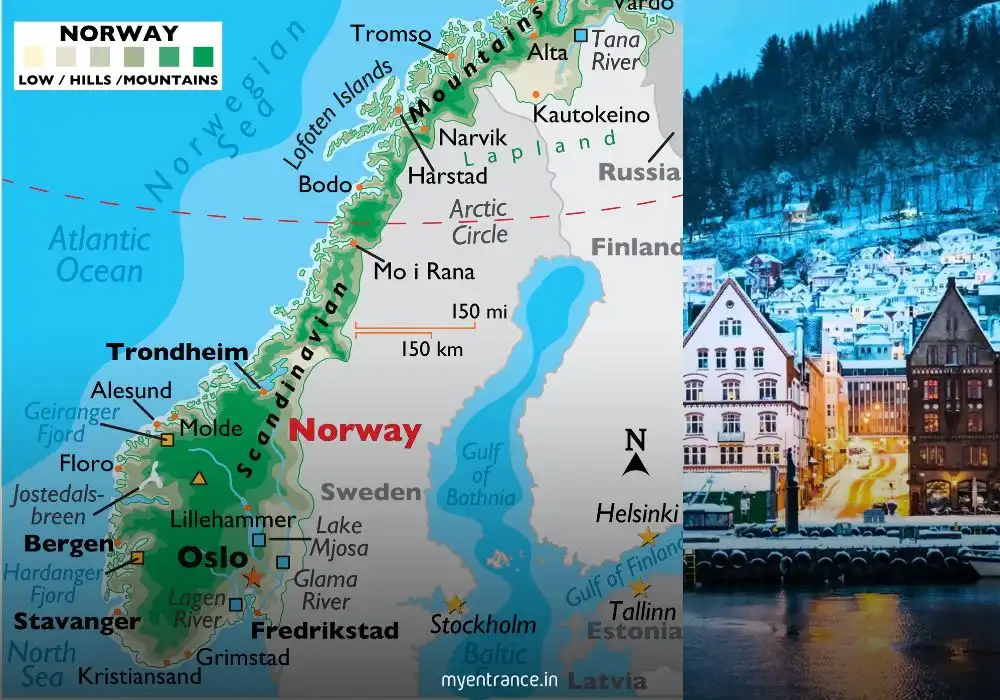
To effectively utilize such news for your examination preparation, consider a multi-pronged approach. Firstly, identify the core facts: who (Jonas Gahr Stoere, Labour Party), what (secured second term), where (Norway), and when (September 8, 2025 election). Secondly, delve into the ‘why’: what were the major issues influencing the election (economic anxiety, rising costs, global conflicts, oil industry debates). Thirdly, link this information to static general knowledge. For instance, questions might arise about Norway’s geographical location, its political system (a constitutional monarchy with a parliamentary democracy), or the purpose of its sovereign wealth fund. Myentrance.in’s interactive examinations and daily news quiz sections are designed to help you practice this integration of current events with static GK. By understanding the context and implications, you are not just memorizing; you are building a robust knowledge base essential for any competitive examination.
Frequently Asked Questions and Answers
Q1: Who is the current Prime Minister of Norway, and which political party does he represent?
A1: The current Prime Minister of Norway is Jonas Gahr Stoere, who leads the Labour Party.
Q2: What was the outcome of the recent parliamentary election in Norway concerning the Labour Party?
A2: In the parliamentary election held on September 8, 2025, the Labour Party, led by Jonas Gahr Stoere, secured a second consecutive term in power, winning 87 out of 169 seats.
Q3: What were some of the key issues that influenced the Norwegian election results?
A3: The election was influenced by growing economic anxiety over rising living costs, the ongoing wars in Ukraine and Gaza, and debates surrounding Norway’s oil industry and its wealth fund investments.
Q4: Why is it important for competitive exam aspirants to be aware of international political events like Norway’s election?
A4: Understanding international political events is crucial for current affairs sections, general knowledge, developing an informed perspective on global dynamics, and preparing for analytical or descriptive questions that connect domestic politics with global issues in exams like UPSC, SSC, and PSC.
Q5: How many seats are required for a majority in the Norwegian Parliament (Storting), and what is its total strength?
A5: The Norwegian Parliament, known as the Storting, has a total of 169 seats, and a simple majority requires 85 seats. The Labour Party surpassed this with 87 seats.





