
In a landmark move poised to transform India’s agricultural landscape and energy sector, the Union Minister for Road Transport and Highways, Nitin Gadkari, recently highlighted the government’s active exploration into integrating flex engine technology into farming equipment. This initiative is far more than a mere technological upgrade; it represents a strategic pivot towards sustainable development, reduced import dependence, and a cleaner environment, making it a crucial topic for aspirants preparing for examinations like UPSC, SSC, PSC, and other government-sector assessments. Understanding the ‘why,’ ‘what,’ ‘where,’ ‘when,’ and ‘how’ of flex engines offers a significant edge in current affairs, general studies, and even essay components of your examinations. We strive to be the one-stop destination for exam aspirants in india.
Understanding the Power of Flex Fuel Engines
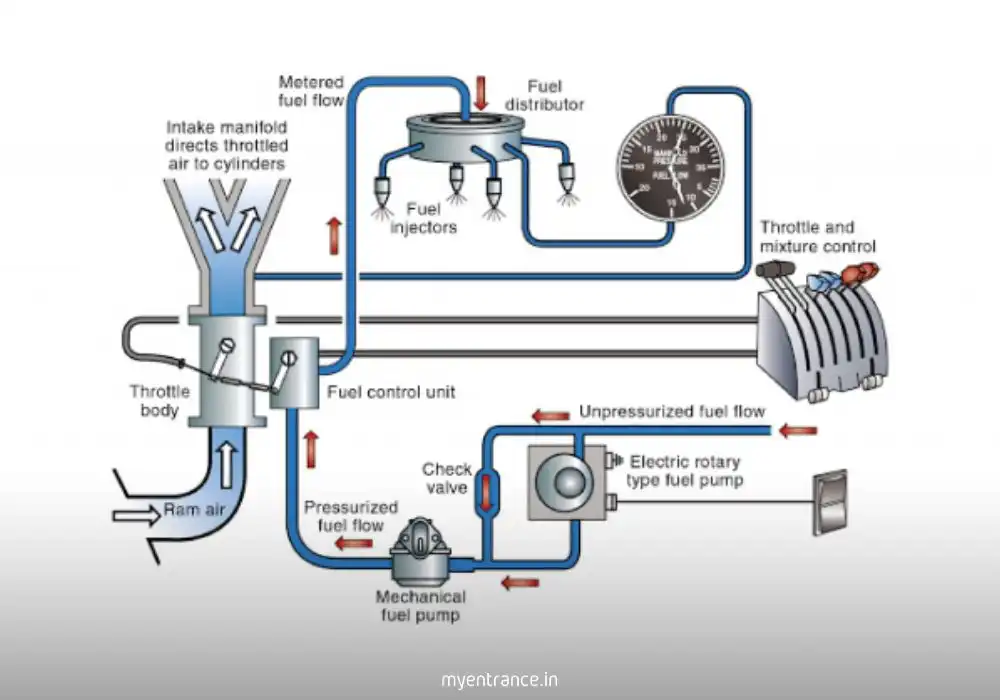
At its core, a flex fuel engine, often simply called a flex engine, is an internal combustion engine designed to operate on more than one type of fuel, or a mixture of fuels. Typically, these engines can run on pure petrol, pure ethanol, or any blend of petrol and ethanol up to a certain percentage, commonly E20 (20% ethanol, 80% petrol) or even E85 (85% ethanol, 15% petrol). Unlike conventional engines, a flex engine automatically adjusts itself to optimize performance based on the specific fuel blend it detects in the tank. This adaptability is achieved through sophisticated sensors and engine management systems that detect the ethanol-petrol ratio and modify fuel injection and ignition timing accordingly. The ‘what’ of flex engines is their versatility, offering consumers and, in this context, farmers, a choice in fuel while contributing to broader national goals.
The ‘why’ behind this push is multi-faceted and critically important. Environmentally, ethanol combustion typically results in lower emissions of greenhouse gases and other pollutants compared to pure petrol, contributing significantly to India’s climate change mitigation efforts. Economically, adopting biofuels like ethanol, which can be produced from surplus agricultural products such as sugarcane and maize, helps reduce the country’s massive crude oil import bill, thereby strengthening energy security and saving valuable foreign exchange. Furthermore, it creates new demand for agricultural produce, potentially boosting farmers’ incomes and stimulating the rural economy. This comprehensive benefit package makes flex engines a cornerstone of India’s vision for a ‘green’ and self-reliant future.
The Government’s Vision: Flex Engines in Indian Agriculture
The recent announcement by Minister Gadkari, made at the Federation of Automobile Dealers Association’s (FADA) 7th Auto Retail Conclave 2025 in New Delhi, specifically underscores the government’s intent to bring this technology to the agricultural sector. The ‘where’ of this immediate application is Indian farmlands, where tractors, tillers, pumps, and other essential machinery currently rely heavily on conventional diesel or petrol. By encouraging the use of flex engines in these agricultural tools, the government aims to empower farmers with a cleaner, potentially more economical, and locally sourced fuel alternative. This strategic shift could significantly lower operational costs for farmers, shielding them from volatile global crude oil prices, and simultaneously reducing the carbon footprint of agricultural practices.
The ‘how’ of this implementation involves close collaboration between government ministries, the automotive industry, and agricultural equipment manufacturers. The Ministry of Road Transport and Highways, under Minister Gadkari, is actively engaging with various stakeholders to formulate policies, standards, and incentives that facilitate the widespread adoption of flex fuel technology. This includes discussions on engine modifications, fuel infrastructure development, and encouraging local manufacturing of flex fuel components. The government envisions a future where agricultural equipment not only runs efficiently but also contributes positively to the environment and the national economy, aligning perfectly with initiatives like “Atmanirbhar Bharat” (Self-Reliant India) and the promotion of sustainable farming practices. Engage with our interactive current affairs quiz to make learning fun and effective.
Preparing for Examinations: Your Edge with Current Affairs
For aspirants eyeing government jobs, news surrounding flex engines is a prime example of a current affair that transcends a simple headline and connects to multiple static general knowledge subjects. For UPSC and PSC examinations, this topic can appear in General Studies Paper III (Economy, Agriculture, Science & Technology, Environment & Ecology) or even as an essay topic focusing on energy security, sustainable development, or rural upliftment. SSC and other competitive exams will likely feature objective questions on what flex engines are, their benefits, key governmental initiatives, or the ministers involved. The ‘when’ of this announcement becomes important for chronological context in current affairs quizzes, while the implications form the basis of analytical questions. We compile today’s current events for aspirants into a digestible format.
To truly master such topics for your exams, it’s essential to not just memorize facts but to understand the interconnectedness. Think about how flex engines relate to India’s National Biofuel Policy, the push for E20 fuel, climate change targets, and the broader agricultural reforms. This holistic understanding not only aids in answering direct questions but also equips you to articulate well-rounded opinions in descriptive papers or interviews. This kind of detailed analysis and contextualization is precisely what distinguishes top performers in competitive examinations.
Frequently Asked Questions (FAQs)
Q1: What exactly is a flex fuel engine and how does it differ from a regular engine?
A1: A flex fuel engine is designed to run on a variety of fuel blends, typically petrol and ethanol, in any proportion. Unlike a regular engine that operates optimally on a specific fuel type, a flex engine automatically adjusts its internal settings to suit the fuel blend in the tank, offering greater fuel flexibility and often producing lower emissions.
Q2: Why is the Indian government promoting flex engines, especially in agricultural equipment?
A2: The government is promoting flex engines to achieve multiple objectives: reduce dependence on imported crude oil, enhance energy security, lower greenhouse gas emissions, support the agricultural sector by creating demand for ethanol-producing crops, and ultimately stabilize fuel costs for farmers.
Q3: What are the primary benefits of using ethanol-blended fuels in terms of environmental impact?
A3: Ethanol-blended fuels, particularly E20, typically result in lower emissions of carbon monoxide, hydrocarbons, and other particulate matter compared to pure petrol. This contributes to improved air quality and helps India meet its climate change commitments.
Q4: How will the adoption of flex engines in agriculture impact Indian farmers?
A4: Farmers are expected to benefit from reduced fuel costs, as ethanol can be cheaper than petrol/diesel and its prices are less volatile. It also opens up new revenue streams for farmers growing crops like sugarcane and maize, which are used for ethanol production.
Q5: How is this initiative relevant for government exam aspirants (UPSC, SSC, PSC)?
A5: This initiative is highly relevant for current affairs, general studies papers (covering economy, agriculture, environment, science & technology), and essay topics. Aspirants should understand the technology, its benefits, the government’s policy framework, and its broader implications for national development and sustainability.





