
Decoding GST 2.0 and Its Vision
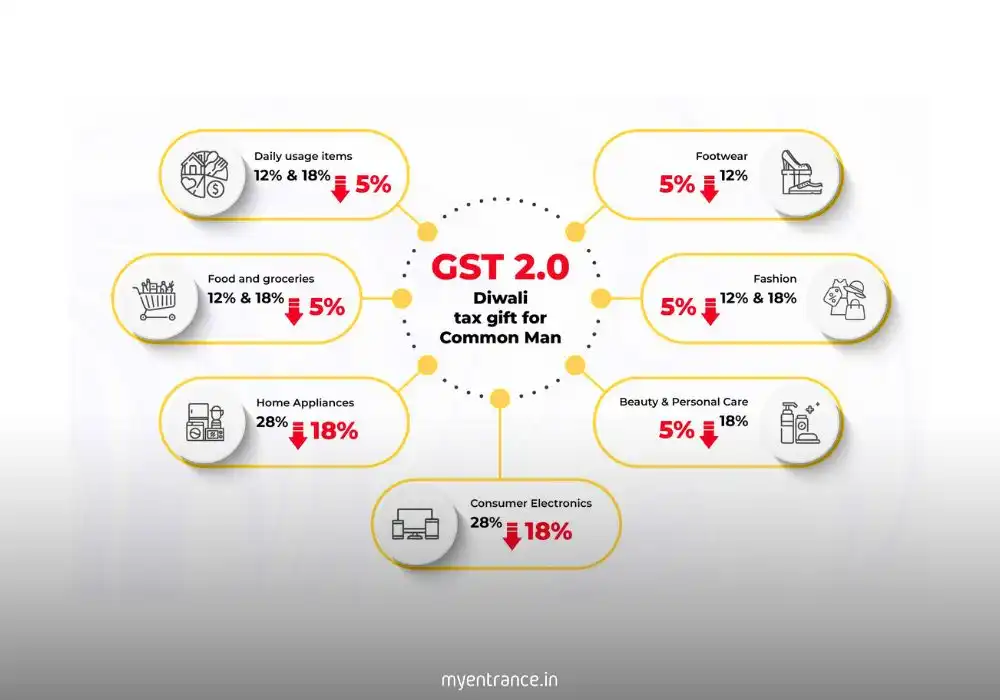
India’s Goods and Services Tax (GST) framework has been a cornerstone of economic reform, aiming to streamline indirect taxation across the nation. Now, discussions around a revamped version, often termed GST 2.0, are gaining momentum. The central idea behind this proposed evolution is to further simplify the existing multi-tiered tax structure into a more concise system. This typically involves reducing the number of tax slabs to just a few, such as a basic rate, a standard rate, and a higher rate specifically for items deemed luxury or those with negative social implications – often referred to as “sin goods.” The primary objective is to enhance ease of compliance, improve revenue collection efficiency, and create a more predictable economic environment for businesses and consumers alike.
The Unforeseen Nutritional Challenge: Why Policy Matters for Your Plate
While the intent behind simplifying the tax structure is commendable, a critical debate has emerged regarding its potential, perhaps unintended, consequences on the dietary health of the Indian population. The concern stems from how common, everyday food items might be categorized within these new, simplified tax brackets. Many ultra-processed foods, often high in sugar, salt, and unhealthy fats, have become staples in urban and even rural households due to their affordability, convenience, and aggressive marketing. If these widely consumed processed items are not adequately taxed at a higher rate, or if they fall into lower tax categories, they could become even more accessible and attractive compared to fresh, nutritious alternatives.
This is a crucial point because, historically, the idea of taxing “sin goods” like tobacco or alcohol at a higher rate is to discourage their consumption due to their proven harmful effects on health. However, if highly processed and sugary foods, which are significant contributors to non-communicable diseases (NCDs) like diabetes, obesity, and heart disease, are not treated with similar fiscal disincentives, it could inadvertently promote their consumption. The logic here is straightforward: when unhealthy options are cheaper or more economically viable, consumer choices are often swayed towards them, especially in price-sensitive markets.
The Wider Ramifications for India’s Health Landscape
The potential impact extends far beyond individual dietary choices. On a national scale, a policy that might inadvertently make unhealthy foods more accessible could exacerbate India’s already escalating public health crisis. The country is grappling with a dual burden of malnutrition, where alongside undernutrition, there’s a rapidly growing prevalence of overweight, obesity, and related NCDs. An increase in these health issues places an immense strain on the healthcare system, diverts national resources, and significantly impacts the productivity and quality of life of the population. Therefore, policymakers face a delicate balancing act: simplifying the tax structure for economic efficiency while simultaneously safeguarding public health and promoting healthier lifestyles.
Relevance for Your Competitive Exams
For aspirants preparing for competitive examinations such as UPSC, SSC, PSC, and other government recruitment tests, understanding this topic is vital. It falls under multiple crucial sections:
* Current Affairs: This is an ongoing policy discussion with significant societal implications.
* Indian Economy: It involves taxation, fiscal policy, and their impact on consumer behavior and specific industries.
* Public Policy & Governance: It highlights the complexities of policy design, its intended and unintended consequences, and the challenge of balancing economic goals with social welfare objectives, especially public health.
* Social Issues: It touches upon health disparities, nutrition, and the rising burden of NCDs in India.
* Ethics & Integrity (UPSC Mains): Questions could arise on the ethical considerations of government policy impacting public health versus economic simplification.
Being able to analyze the “why,” “what,” and “how” of such policy debates demonstrates a comprehensive understanding of contemporary issues. When studying, focus on the rationale behind GST 2.0, the specific mechanisms through which it could affect dietary patterns, the broader public health implications, and the various arguments put forth by health advocates and economic policymakers. This multi-faceted approach will equip you to tackle questions from different perspectives in your exams, showcasing your depth of knowledge and analytical skills.





