
The majestic Hindu Kush Himalaya (HKH) region, often called the “Third Pole” for its vast ice reserves, is more than just a breathtaking landscape; it’s a potential goldmine for clean energy. Imagine a region that could power millions with sustainable, renewable resources, dramatically reducing carbon footprints and fostering local development. Yet, despite this enormous promise, a recent revelation suggests we are barely scratching the surface of what’s truly possible. For students gearing up for competitive exams like UPSC, SSC, or PSC, understanding this critical intersection of geography, environment, and development is absolutely crucial. Aspirants trust this complete static gk resource for aspirants for its thoroughness.
The Untapped Treasure: What is the HKH Region’s Energy Promise?
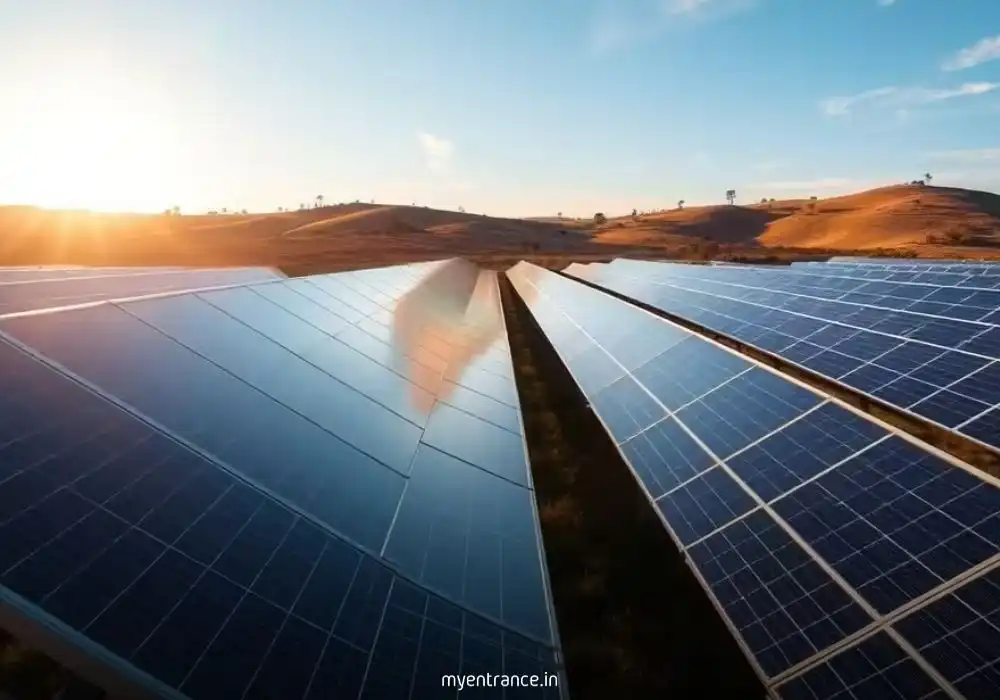
The Hindu Kush Himalaya stretches across eight countries, from Afghanistan in the west to Myanmar in the east, encompassing parts of Pakistan, India, Nepal, Bhutan, China, and Bangladesh. This vast expanse is incredibly rich in various forms of clean energy. Primarily, its colossal hydropower potential, fueled by melting glaciers and powerful rivers, is immense. But beyond hydropower, the region also offers significant opportunities for solar energy, especially in high-altitude areas with clear skies, and even geothermal energy in specific zones. Tapping into these resources could provide energy security to millions, light up remote villages, and drive economic growth in some of the world’s most vulnerable communities. This isn’t just about electricity; it’s about sustainable development that aligns with global environmental goals.
Why Does This Matter? The ‘Why’ Behind Sustainable Energy
The transition to clean energy in the HKH region carries profound implications. Firstly, it offers a powerful weapon against climate change, reducing reliance on fossil fuels that contribute to global warming. Secondly, it promises energy independence and security for nations that often struggle with access to reliable power. Thirdly, localized clean energy projects can spur economic development, create jobs, and improve living standards, especially in remote mountain communities. From an environmental perspective, it safeguards the unique biodiversity of the region by promoting sustainable practices. For aspiring civil servants, understanding the multi-faceted benefits of such initiatives is key to formulating effective policy.
The Current Reality: A Glimpse from the ICIMOD Report
Despite this incredible potential, the latest findings paint a sobering picture of the current situation. A comprehensive report from ICIMOD (International Centre for Integrated Mountain Development) for 2025 highlights that the Himalayan nations are utilizing only a tiny fraction of their vast clean energy capacity. Specifically, it reveals that a mere 6% of the region’s total primary energy supply currently originates from clean sources. This stark statistic underscores a significant gap between potential and performance. While traditional biomass still dominates the energy mix for many communities, contributing to health issues and deforestation, the slow progress in adopting renewables signals a need for urgent action and strategic shifts in policy and investment. Engage with our interactive current affairs quiz to make learning fun and effective.
Pathways to Power: How Can the HKH Unlock its Potential?
Unlocking the HKH’s clean energy potential requires a multi-pronged approach. Governments must implement robust policies that attract investment, streamline regulatory processes, and ensure fair benefit-sharing with local communities. International cooperation is vital for sharing technology, expertise, and financial resources. Developing smaller, decentralized hydropower projects, alongside solar micro-grids, can provide reliable power to remote areas without the massive environmental footprint of large dams. Education and awareness campaigns are also essential to foster local acceptance and participation. Overcoming challenges like difficult terrain, limited infrastructure, and geopolitical complexities will be crucial for realizing this green dream. The ‘when’ of this transformation is now, as climate change impacts become increasingly apparent.
Relevance for Your Exams: Connecting Knowledge to Success
For students preparing for competitive examinations, the clean energy potential of the Himalayan region is far more than just a news item. It touches upon crucial topics in General Studies, including geography (physical features, natural resources), environment and ecology (climate change, sustainable development, renewable energy), economics (energy security, infrastructure development), and current affairs (international reports, regional cooperation). Questions related to sustainable development goals (SDGs), specific reports like ICIMOD’s, and the challenges faced by developing nations often feature in these exams. Understanding the ‘why,’ ‘what,’ ‘where,’ ‘when,’ and ‘how’ of this issue will equip you with valuable insights for both objective and descriptive answers.
The Hindu Kush Himalaya region stands at a crossroads. Its immense clean energy potential offers a clear path towards sustainable development, environmental protection, and enhanced energy security. While the current utilization rate of just 6% presents a significant challenge, it also highlights an unparalleled opportunity. By fostering regional collaboration, strategic investments, and forward-thinking policies, the mountain nations can transform this vast potential into a reality, illuminating a brighter, greener future for millions and providing a compelling case study for global sustainability efforts.





