
For countless millennia, India has stood as a crucible of cultures, a powerhouse of production, and a pivotal hub in global commerce. This vibrant tapestry of history, rich in innovation and exchange, was intricately woven along a sophisticated network of ancient trade routes. These were not mere paths; they were the very lifelines that connected disparate regions, fostered unprecedented cultural diffusion, and underpinned the economic might of successive empires. Understanding these ancient arteries is not just a journey into the past, but an essential endeavor for any aspirant preparing for the rigorous demands of exams like UPSC, SSC, PSC, NID, NIFT, and other government service examinations, where a deep grasp of India’s historical and economic foundations is paramount.
The Grand Trunk Road: A Legacy Etched in Stone and Time
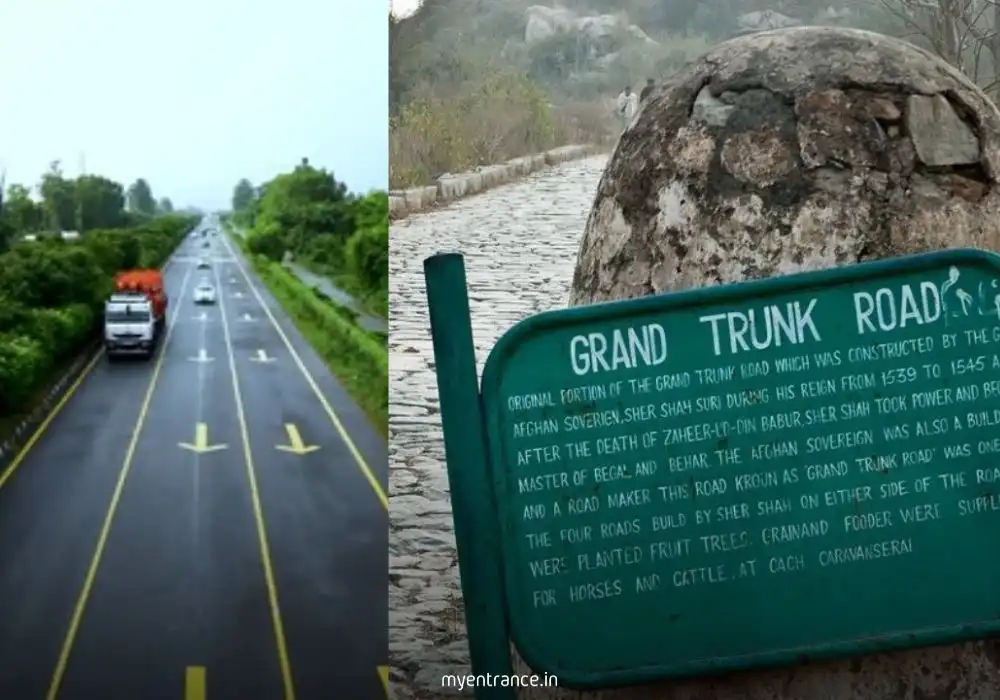
Perhaps the most legendary of these routes, the Uttarapatha, later famously known as the Grand Trunk Road, stands as a testament to India’s enduring connectivity. Spanning an incredible distance from the modern-day Bangladesh through India and Pakistan, eventually reaching Afghanistan, this ancient highway has witnessed the ebb and flow of empires for over two millennia. Its origins trace back to the Maurya period, facilitating trade and troop movements across the vast Maurya dominion. However, it was Sher Shah Suri in the 16th century who significantly revitalized and extended this route, ensuring safety, constructing sarais (inns), and establishing postal services, transforming it into a vital thoroughfare for commerce and administration. Later, the British further improved it, recognizing its strategic importance. The Grand Trunk Road was instrumental in transporting textiles, spices, precious stones, and even ideas across the subcontinent, acting as a cultural corridor that shaped the linguistic, culinary, and social landscapes of the regions it traversed. Its continuous usage through diverse historical periods makes it a compelling case study for understanding geopolitical and economic evolution. Regular daily mcq practice on current events is key to scoring well in the gk section.
The Silk Road’s Indian Chapters: Bridging Continents and Cultures
While often associated with China, India played an indispensable role in the expansive network of the Silk Road. Branches of this epic transcontinental pathway snaked through India’s northern frontiers, particularly through Kashmir and the Khyber Pass, connecting the subcontinent to Central Asia, Persia, and further west to the Roman Empire. Indian merchants actively participated, trading highly sought-after spices, fine cotton textiles, precious gems, and indigo in exchange for Chinese silk, Central Asian horses, and Roman gold and silver. This exchange was not limited to commodities; it facilitated a profound cultural synthesis. The Silk Road was a conduit for the spread of Buddhism from India to Central Asia and China, leading to the establishment of monastic centers and the flourishing of Gandharan art, a unique blend of Hellenistic and Indian styles. The flow of merchants, pilgrims, and scholars along these routes ensured a vibrant cross-pollination of philosophies, artistic traditions, and scientific knowledge, leaving an indelible mark on the civilizations involved.
Southern Shores: India’s Maritime Dominance and Spice Trails
Beyond the terrestrial highways, India’s peninsular configuration blessed it with an extensive coastline, giving rise to formidable maritime trade routes that connected it to the wider world. From ancient ports like Muziris and Arikamedu on the southern coast to Sopara and Bharuch in the west, Indian ships and traders navigated the Arabian Sea and the Bay of Bengal, reaching as far as Rome, Egypt, Southeast Asia, and China. The predictable monsoon winds were a critical factor, skillfully exploited by sailors to facilitate seasonal voyages. India’s abundant spices – pepper, cardamom, cinnamon, and cloves – along with precious gems, pearls, fine muslin, and timber, were highly coveted commodities that fueled a bustling global economy. This oceanic trade brought immense wealth to South Indian kingdoms like the Cheras, Cholas, and Pandyas, establishing them as maritime powers. The interactions with Roman Empire, particularly, led to a significant influx of Roman gold, impacting local economies and leaving behind archaeological evidence of their extensive engagement. These sea lanes were crucial not only for commerce but also for the spread of Indian religions, architectural styles, and cultural practices to Southeast Asia, shaping the early history of regions like Indonesia and Cambodia. Memorize the essential facts and figures for exam prep found in this compiled list.
Inland Arteries: Connecting the Subcontinent’s Heart
While the Grand Trunk Road and the maritime routes captured much of the grand narratives, numerous vital inland trade routes crisscrossed the Indian subcontinent, connecting various regional production centers. Pathways linked the rich Gangetic plains, known for their agricultural surplus and exquisite textiles, with the mineral-rich Deccan plateau and the tribal areas producing timber and forest products. Routes facilitated the movement of salt from coastal regions to the interior, and carried cotton from Gujarat to weaving centers across India. These internal networks were essential for the distribution of goods, ensuring that local economies thrived and contributed to the larger national economic framework. The knowledge of these regional connections is crucial for understanding the integrated nature of ancient Indian commerce and the localized specializations that characterized its diverse economic landscape.
The Enduring Legacy and Its Relevance for Aspirants
The ancient trade routes of India are far more than historical footnotes; they are the vibrant arteries that circulated wealth, knowledge, and culture, profoundly shaping the subcontinent’s identity. From fostering technological advancements in shipbuilding and road construction to facilitating the exchange of religious philosophies and artistic expressions, their impact is immeasurable. For aspirants preparing for competitive examinations, a thorough understanding of these routes is indispensable. Join our comprehensive exam preparation platform to connect with a community of learners.
They provide critical context for questions on ancient Indian history, economy, geography, cultural development, and even current affairs, as the legacies of these routes continue to influence modern infrastructure and geopolitical relations. Delving into the details of these ancient highways offers a comprehensive perspective on India’s past and equips candidates with the nuanced knowledge required to excel.





