
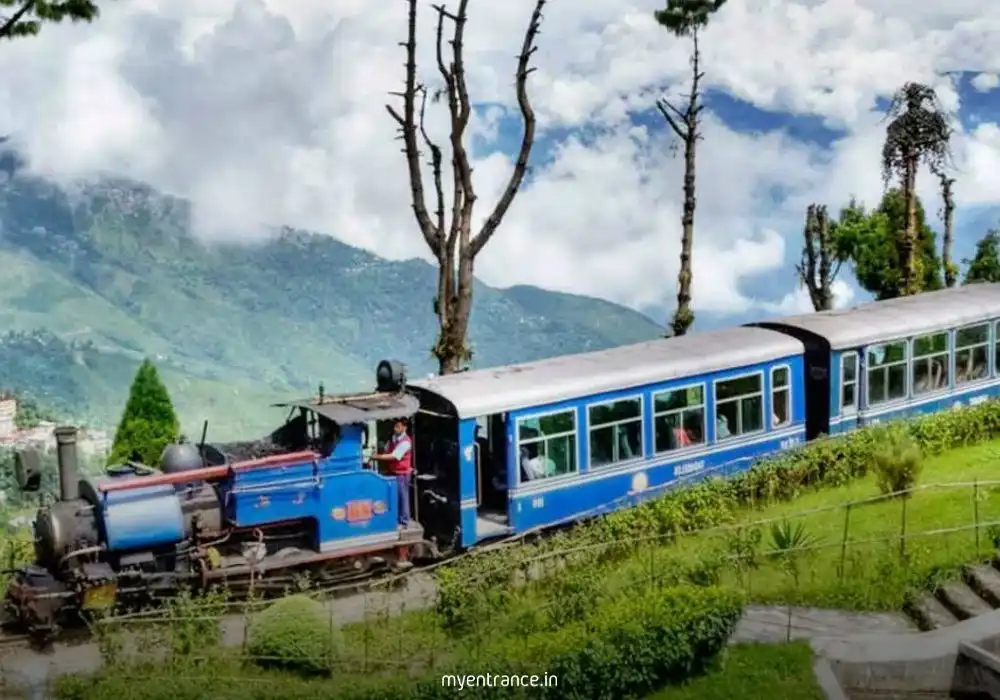
India’s Miniature Rail Marvels
India, a nation celebrated for its vast cultural tapestry and diverse geographical wonders, also boasts a rich and captivating railway heritage. Beyond the expansive network of broad-gauge lines that crisscross the subcontinent, a unique and cherished segment of this legacy lies in its narrow-gauge hill railways, affectionately known worldwide as “toy trains.” These aren’t just quaint modes of transport; they represent astonishing feats of engineering, winding through some of the most breathtaking mountainous terrains, offering glimpses into colonial history, and providing unparalleled scenic beauty. For students meticulously preparing for competitive examinations such as UPSC, SSC, PSC, NID, NIFT, and other government recruitment tests, understanding these iconic routes transcends mere travelogue; it delves into history, geography, engineering, and cultural significance, making them fertile ground for general knowledge and current affairs questions. India is home to precisely five such celebrated toy train routes, each with its distinctive charm and historical footprint.
The Quintet of Heritage: Unveiling India’s Iconic Toy Trains
These five legendary railways, predominantly located in the nation’s verdant hill regions, stand as enduring symbols of human ingenuity conquering natural challenges. Their legacy is preserved not only in their continued operation but also through their recognition as vital heritage assets.
The Darjeeling Himalayan Railway (DHR): A UNESCO Legacy in the Clouds
Often hailed as the pioneer among India’s hill railways, the Darjeeling Himalayan Railway, affectionately known as the “Toy Train,” is a quintessential example of engineering brilliance. Inaugurated in 1881, this narrow-gauge marvel ascends from Siliguri to the picturesque hill station of Darjeeling in West Bengal. What makes the DHR truly exceptional, and a frequent subject in competitive exams, is its status as a UNESCO World Heritage Site, bestowed upon it in 1999. It was the second railway in the world to receive such an honour. Its unique spiral loops and ‘Z’ reverses, designed to negotiate steep gradients, are fascinating engineering solutions, allowing the steam locomotive to navigate gradients as steep as 1 in 15. The journey through tea gardens and misty mountains, offering panoramic views of the Himalayas, including Kangchenjunga, is an experience steeped in history and natural grandeur.
The Nilgiri Mountain Railway (NMR): Conquering the Southern Slopes
Venturing south, the Nilgiri Mountain Railway, connecting Mettupalayam to Udhagamandalam (Ooty) in Tamil Nadu, represents another monumental achievement in railway construction. Completed in 1908, this railway is the only rack and pinion railway in India, a system specifically engineered to climb the extremely steep gradients of the Nilgiri Hills. Its unique Abt rack system, where a central cogwheel engages with a toothed rail, enables the train to ascend gradients of up to 1 in 12. The NMR joined the DHR as a UNESCO World Heritage Site in 2005, forming part of the “Mountain Railways of India” designation. The journey itself is a captivating traverse through dense forests, dark tunnels, and over numerous bridges, offering a deep dive into the biodiverse Western Ghats, a geographical feature frequently highlighted in environmental and geography sections of competitive papers.
The Kalka-Shimla Railway (KSR): An Engineering Odyssey to the Summer Capital
Nestled in the foothills of the Himalayas, the Kalka-Shimla Railway provides a historic link to India’s erstwhile summer capital, Shimla. This 96-kilometer line, completed in 1903, is an extraordinary testament to late 19th-century engineering, overcoming daunting topographical challenges. The KSR is renowned for its astonishing 102 tunnels (originally 103), the longest being the Barog Tunnel, and over 800 bridges, many of which are multi-arched structures resembling Roman aqueducts. The railway’s inclusion in the UNESCO World Heritage list in 2008 further cemented its status as a global marvel. The scenic route, meandering through pine forests and valleys, provides a tranquil yet adventurous journey, often featured in questions pertaining to Indian history, colonial administration, and infrastructure development.
The Matheran Hill Railway: An Eco-Friendly Ascent to Tranquility
Among the hill railways, the Matheran Hill Railway holds a distinct place. This 21-kilometer narrow-gauge line, built between 1904 and 1907 by Sir Adamjee Peerbhoy, connects Neral to the pristine hill station of Matheran in Maharashtra. What makes Matheran unique is its designation as an eco-sensitive zone, where vehicular traffic is completely prohibited, preserving its natural serenity. The Matheran toy train, therefore, offers the only mode of transport into the heart of the town, providing a charming, unhurried journey through dense forest cover, hairpin bends, and deep ravines. While not a UNESCO site, its environmental significance and unique operational model make it an interesting case study for current affairs and environmental awareness sections of competitive exams.
The Kangra Valley Railway: The Picturesque Path through Lesser Himalayas
Finally, the Kangra Valley Railway, a relatively less famous but equally enchanting route, winds its way through the picturesque Kangra Valley in Himachal Pradesh. Completed in 1929, this 164-kilometer line runs from Pathankot to Jogindernagar, offering spectacular views of the Dhauladhar mountain range, lush valleys, and traditional Himachali villages. Unlike its steeper counterparts, the Kangra Valley Railway was built with relatively easier gradients, focusing more on connectivity and showcasing the region’s natural beauty. It navigates through two tunnels and over 484 bridges, providing a more gentle yet captivating journey. Its historical context and geographical location make it relevant for questions on regional geography, historical connectivity, and the cultural landscape of the Western Himalayas.
Beyond the Journey: The Educational Significance for Competitive Exams
For aspiring civil servants and candidates for other government exams, these “toy trains” are much more than tourist attractions. They embody key concepts frequently tested in examinations:
* History: Understanding colonial infrastructure development, specific dates of inauguration, and the visionary engineers behind them.
* Geography: Identifying the specific hill ranges, states, and significant geographical features (e.g., Nilgiri Hills, Dhauladhar Range, Western Ghats) associated with each railway.
* Engineering Marvels: Knowledge of unique systems like the rack and pinion (NMR) or the extensive tunnels and bridges (KSR, DHR’s loops and reverses).
* Current Affairs & General Knowledge: Awareness of their UNESCO World Heritage status, environmental significance (Matheran), and their role in national tourism.
* Culture & Heritage: Their contribution to India’s diverse heritage and their recognition on the global stage.
Every detail, from the gauge of the tracks to the unique gradients overcome, offers a potential question for a discerning examiner.
Conclusion: Preserving a Priceless Heritage
India’s five iconic toy train routes are timeless treasures, each offering a unique narrative of human perseverance, engineering prowess, and a deep connection with nature. They are not merely relics of a bygone era but vibrant, living museums on wheels, continuously ferrying passengers through history and breathtaking landscapes. For those aspiring to serve the nation, appreciating these miniature marvels is not just about accumulating facts; it’s about understanding the intricate tapestry of India’s past, present, and the enduring legacy we must strive to protect and promote. They stand as a testament to what can be achieved when vision meets determination, leaving a permanent mark on India’s geographical and historical canvas.





