
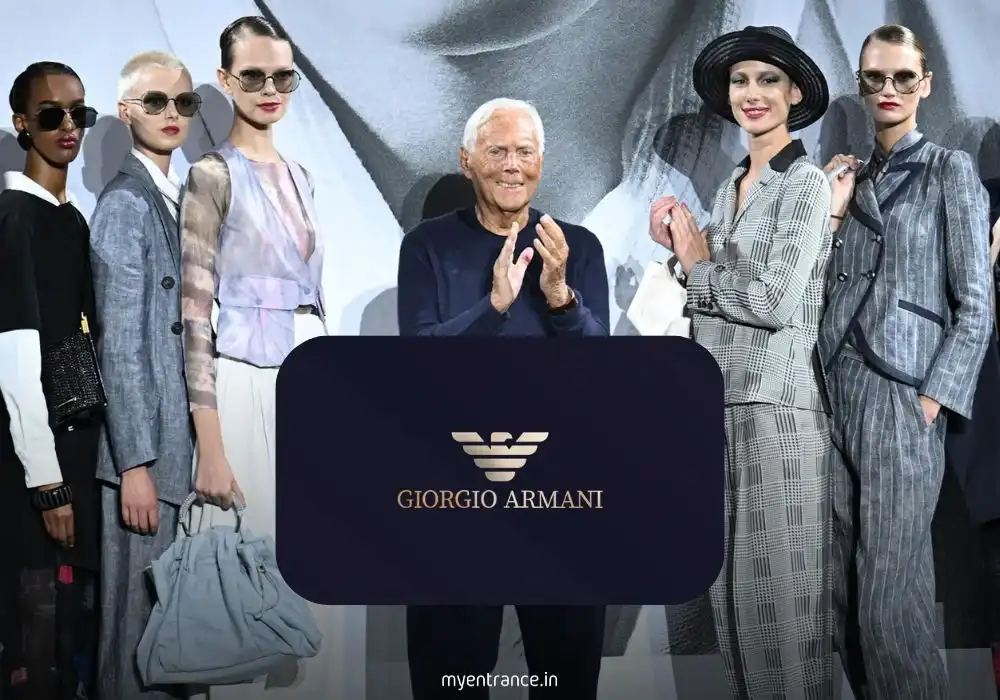
Giorgio Armani stands as a monumental figure in the annals of design, a visionary whose influence extends far beyond the runway into the very fabric of our cultural and professional lives. His legacy is not merely one of beautiful garments but a complete redefinition of modern aesthetics, power, and comfort. Understanding the principles that guided his revolution is essential for aspirants of design, culture, and general studies, as his work offers a profound case study in brand building, cultural impact, and aesthetic philosophy.
An Introduction to the Revolution
Giorgio Armani’s ascent in the fashion world was a quiet but seismic shift against the flamboyant and often restrictive trends of his time. He founded his eponymous label in 1975, introducing a philosophy rooted in understated elegance, sublime comfort, and a masterful use of a neutral colour palette. This approach was not just about creating clothes; it was about crafting a sophisticated, self-assured identity for the modern man and woman, fundamentally altering the way the world perceived luxury and power dressing.
The Deconstruction of Power: Redefining the Suit
One of Armani’s most significant contributions was the deconstruction of the traditional suit. In the 1980s, an era of rigid shoulder pads and stiff corporate uniforms, he introduced the unstructured blazer. By removing the heavy padding and internal lining and utilising soft, fluid fabrics, he created a silhouette that was both powerful and relaxed. For women, this was particularly revolutionary. The “power suit” was no longer a mimicry of masculine attire but a symbol of confident, feminine authority that didn’t sacrifice comfort for status. This design evolution directly mirrored the socio-cultural shifts of women entering the corporate workforce in greater numbers, making Armani’s designs a uniform for a new era of professionalism.
The Art of “Greige”: Mastery of a Neutral Palette
While his contemporaries often chased bold, vibrant colours, Armani established his domain in the subtle, sophisticated world of neutrals. He became the undisputed master of shades of grey, beige, and their nuanced blend, famously termed “greige.” This signature palette communicated a timeless and serene elegance, allowing the wearer’s personality to shine through rather than be overshadowed by the clothes. This minimalist approach was a radical departure from the loud aesthetics of the late 20th century and has since become a cornerstone of classic, enduring style. His ability to create depth and texture within this limited colour range is a testament to his genius in fabric selection and tailoring.
Design aspirants can boost their preparation with our NID Entrance Exam Tips & Strategies.
If fashion is your career goal, start with our NIFT Entrance Exam Preparation Strategies.
Explore all exam updates, quizzes, and study materials on Myentrance – Your Complete Exam Preparation Portal.
Strengthen your current affairs with our Daily GK Quiz Practice Questions to boost exam confidence.
From Hollywood to Global Empire: A Masterclass in Branding
Giorgio Armani was a pioneer in understanding the symbiotic relationship between fashion and cinema. His decision to dress Richard Gere in the 1980 film *American Gigolo* was a masterstroke that catapulted his brand into the global consciousness. The suave, effortlessly elegant look became synonymous with Armani and cemented his status as Hollywood’s go-to designer. This strategic move transformed the red carpet into a powerful marketing platform. Beyond apparel, he astutely expanded his brand into a complete lifestyle empire, encompassing everything from fragrances (Acqua di Gio) and cosmetics to home interiors (Armani/Casa) and luxury hotels, demonstrating an unparalleled vision for brand extension.
Why is this Important for Your Exams?
For aspirants of NID and NIFT, Giorgio Armani’s work is a foundational subject in modern design history, brand identity, and textile innovation. Questions on his design philosophy, his impact on silhouettes, and his branding strategies are common in Design Aptitude Tests. For candidates of civil services like UPSC and PSC, and even exams like SSC, Armani serves as a significant case study under topics of ‘Famous Personalities’, ‘Art and Culture’, and ‘Brand India/Make in India’ concepts (as a global benchmark). His journey illustrates the dynamics of global brand building, the influence of culture on commerce, and the soft power wielded by design, making it a relevant topic for general knowledge, current affairs, and even essay papers.
Sample Questions and Answers for Exam Preparation
Question 1: Which signature colour palette is most famously associated with Giorgio Armani’s design philosophy?
Answer: Giorgio Armani is famously associated with a neutral colour palette, particularly his mastery of shades of grey and beige, often combined into a hue known as “greige.”
Question 2: The “unstructured blazer” was a revolutionary design introduced by Armani. What key elements did he remove or alter from the traditional blazer to achieve this look?
Answer: To create the unstructured blazer, Armani removed the traditional heavy shoulder padding and stiff inner linings, using softer, more fluid fabrics to create a comfortable and relaxed yet elegant silhouette.
Question 3: Which 1980 film played a pivotal role in establishing Giorgio Armani’s brand as a symbol of Hollywood glamour and style?
Answer: The 1980 film *American Gigolo*, starring Richard Gere, was instrumental in catapulting the Giorgio Armani brand to international fame.
Question 4: How did Giorgio Armani’s version of the “power suit” for women differ from the conventional corporate attire of its time?
Answer: Armani’s power suit for women offered a form of feminine authority that did not rely on mimicking masculine tailoring. It was softer, more fluid, and prioritized comfort, empowering women in the workplace with a confident and understated elegance rather than a rigid, restrictive uniform.
Question 5: The expansion of the Armani brand beyond clothing into areas like hotels and home interiors is an example of what business strategy?
Answer: This is an example of a brand extension or lifestyle branding strategy, where a core brand leverages its reputation and aesthetic to enter new product and service categories, creating a holistic brand experience for the consumer.





