Translate Language
Why Aren’t These 9 Indian Innovations Taught in World History?
India’s ancient contributions extend far beyond culture—they pioneered foundations of modern science, medicine, and technology. Sadly, colonial narratives erased many of these breakthroughs. For SSC, UPSC, and PSC aspirants, rediscovering this legacy isn’t just history; it’s essential Static GK.
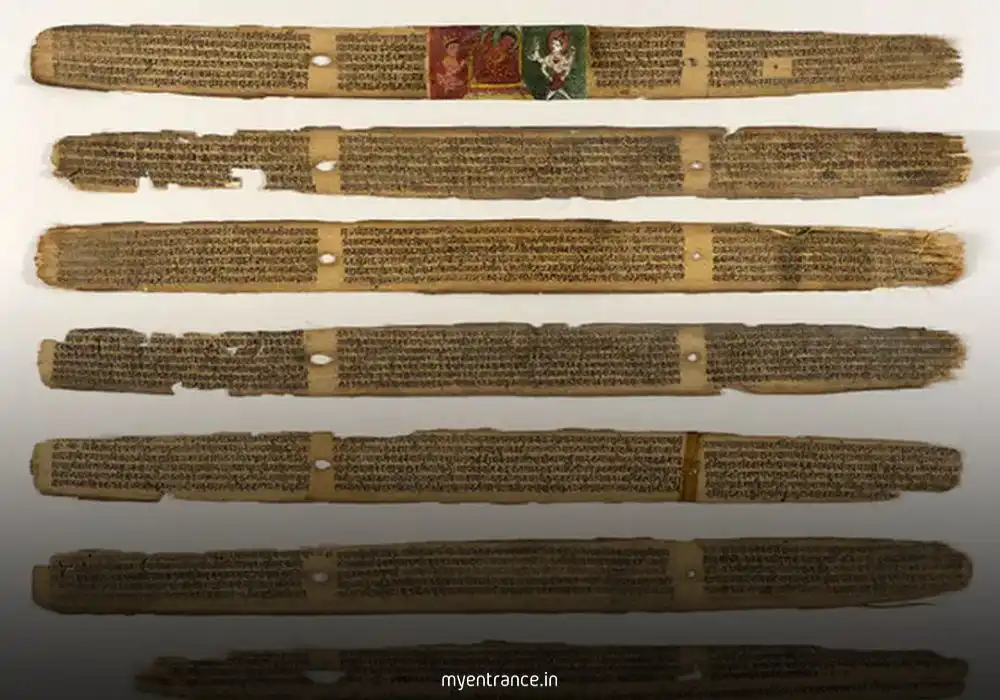
India’s Scientific Golden Age: Forgotten Foundations of Modern Knowledge
1. Zero & Decimal System: The Mathematical Revolution
Students, imagine mathematics without zero—no binary code, no computers! Aryabhata’s 5th-century CE concept of “Shunya” (void) wasn’t just philosophical; it birthed the decimal system. This innovation enabled complex calculations, making India the cradle of quantitative sciences.
2. Takshashila: The World’s First Multidisciplinary University
Centuries before Oxford, Takshashila (700 BCE) hosted 10,000+ global scholars. Offering 60+ fields—from Vedic astronomy to political science—it was ancient India’s Ivy League. Its emphasis on debate and innovation remains relevant for modern PSC and UPSC ethics papers.
3. Chess: Chaturanga’s Strategic Legacy
Your favorite strategy game began as Chaturanga in Gupta-era India. Its war-simulating pieces (infantry, cavalry, elephants) taught tactical thinking. The Persian term “Shah Mat” (checkmate) evolved from Sanskrit—proof of India’s cultural exports. Ideal for logic sections in NID DAT!
4. Iron Pillar of Delhi: Metallurgical Marvel
This 1,600-year-old rust-proof wonder (98% pure iron) defies modern metallurgy. Its phosphorous-rich coating showcases India’s forgotten engineering prowess—a key point for SSC science sections.
5. Ayurveda & Surgery: Holistic Health Pioneers
Long before “wellness trends,” Ayurveda’s Charaka Samhita prescribed herbal cures, yoga, and detox. Susruta’s surgical tools inspired modern scalpels. Revise these for UPSC history and science topics!
6. Astronomy: Aryabhata’s Cosmic Calculations
Aryabhata calculated Earth’s rotation and solar years centuries before Copernicus. The Surya Siddhanta accurately predicted eclipses—foundations for NASA’s work today. Crucial for Static GK!
7. Stepwells: Ancient Water Sustainability
Baoris like Gujarat’s Rani ki Vav stored monsoonal water using gravity-fed design. These UNESCO sites exemplify eco-engineering—perfect for PSC geography questions.
8. Wootz Steel: The Sword of Legends
India’s ultra-strong, high-carbon steel forged Damascus blades. Tip: Its patterned “Damascus technique” is still studied in metallurgy—useful for NID DAT material science sections.
9. Sutras: Knowledge Compression Algorithms
Ancient Sutras condensed grammar, math, and philosophy into mnemonic verses—akin to modern data compression. A brilliant exam-prep technique!
Why This Legacy Matters for Aspirants
India’s erased innovations prove that scientific temper isn’t “Western”—it’s in our DNA. For competitive exams, this knowledge builds critical thinking and national context. Struggling with revision? Use our Last Minute Preparation Guide.
Key Q&A for Self-Assessment
Q: Who formalized zero as a numeral?
A: Aryabhata (5th century CE), calling it Shunya.
Q: Name India’s ancient university with 60+ disciplines.
A: Takshashila (700 BCE).
Q: What metallurgical wonder stands rust-free in Delhi?
A: The Iron Pillar (98% pure iron).
Q: Which text laid Ayurveda’s foundation?
A: Charaka Samhita.
Q: What sustainable solution did stepwells (baoris) provide?
A: Water conservation in arid regions.
Read More Topics