Translate Language
Did British Rule Shape India’s MBBS System? Uncover 1839’s Medical Revolution!
India’s formal medical education system owes its genesis to British colonial needs. The first MBBS batch graduated in 1839 from Calcutta Medical College, marking a shift from Ayurveda/Unani to Western medicine. This article unravels how colonial policies, cultural challenges, and pioneering Indians shaped modern medical training—key context for competitive exams.
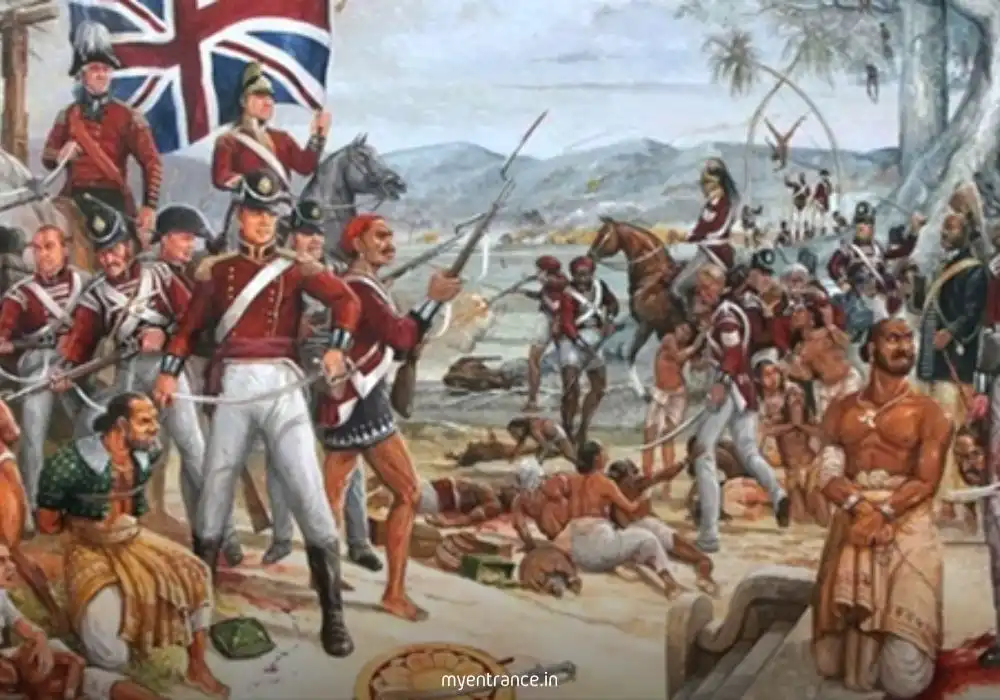
How British Colonialism Forged India’s Medical Education System
1. Colonial Necessity: The Push for Western Medicine
The British East India Company distrusted Ayurveda and Unani systems, relying instead on European doctors. However, constant 18th-century wars left military surgeons overburdened. Worse, high-caste Indian soldiers refused medicines prepared by Europeans due to caste restrictions. To resolve this, the Company trained Indians as “native doctors” to dispense prescriptions—a tactical move that sparked India’s medical education revolution.
Key Insight: This wasn’t altruism. It was colonial pragmatism—ensuring troop health while bypassing cultural resistance.
2. Calcutta Medical College: India’s First MBBS Hub (1835)
Why Calcutta? As Britain’s administrative capital, it offered resources and political control. Established in 1835, the college (initially “Medical College of Bengal”) introduced a 3-year MBBS program. The curriculum covered Anatomy, Physiology, Surgery, and Pharmacology, with clinical rotations at hospitals. English was mandatory—unlike today’s NEET-driven admissions, students aged 14–20 were accepted without entrance exams.
Did You Know? Human dissection faced stiff resistance until Ayurvedic practitioner Pandit Madhusudan Gupta performed the first cadaver dissection, easing Hindu anxieties.
3. Pioneers and Systemic Evolution
The 1839 debut batch included legends like Dr. S.C.G. Chuckerbutty—the first Indian in the Indian Medical Service (1855). Graduates earned ₹30/month as “native doctors.” By 1845, top students like Chuckerbutty were sent to England for advanced training. As demand grew, Bombay/Madras colleges opened, and curricula expanded to 6 years, adding Midwifery, Chemistry, and Ophthalmology.
4. Women Break Barriers: From Ludhiana to Kolkata
Female medical education began with Ludhiana’s North India Medical School for Women (1894). But the real trailblazers were:
Kadambini Ganguly: First Indian woman to graduate in medicine (1886, Calcutta Medical College).
Anandibai Joshi: First Indian woman to earn a Western medical degree abroad (US, 1886).
Exam Angle: Ganguly’s achievement predates Joshi’s—a key fact often overlooked in Static GK.
5. Colonial Legacy: Vacancies vs. Vernacular Gap
Despite expanding seats, 2,849 MBBS seats lay vacant in 2024—a paradox rooted in British-era policies. English-only instruction created entry barriers for non-elites, a disparity still impacting rural medical access. The 1858 mandate for GMC registration further cemented Western medicine’s dominance, sidelining traditional systems.
Q&As for Competitive Exams (Based on This Topic)
Q1: Who performed India’s first human dissection, enabling anatomy studies?
A: Pandit Madhusudan Gupta, an Ayurvedic practitioner, in 1836 at Calcutta Medical College.
Q2: Why did Britishers establish medical colleges in India?
A: To train Indians as “native doctors” for the East India Company’s military and civilian needs, countering distrust of Ayurveda/Unani and caste-based medicine refusal.
Q3: Name India’s first female medical graduate.
A: Dr. Kadambini Ganguly (1886, Calcutta Medical College)—not Anandibai Joshi, who studied abroad.
Q4: What was the salary of the first Indian “native doctors”?
A: ₹30 per month after passing the final college examination.
Q5: Which was Asia’s first women’s medical college?
A: North India Medical School for Women, Ludhiana (founded in 1894 by Dr. Edith Brown).
Key Resources for Exam Prep:
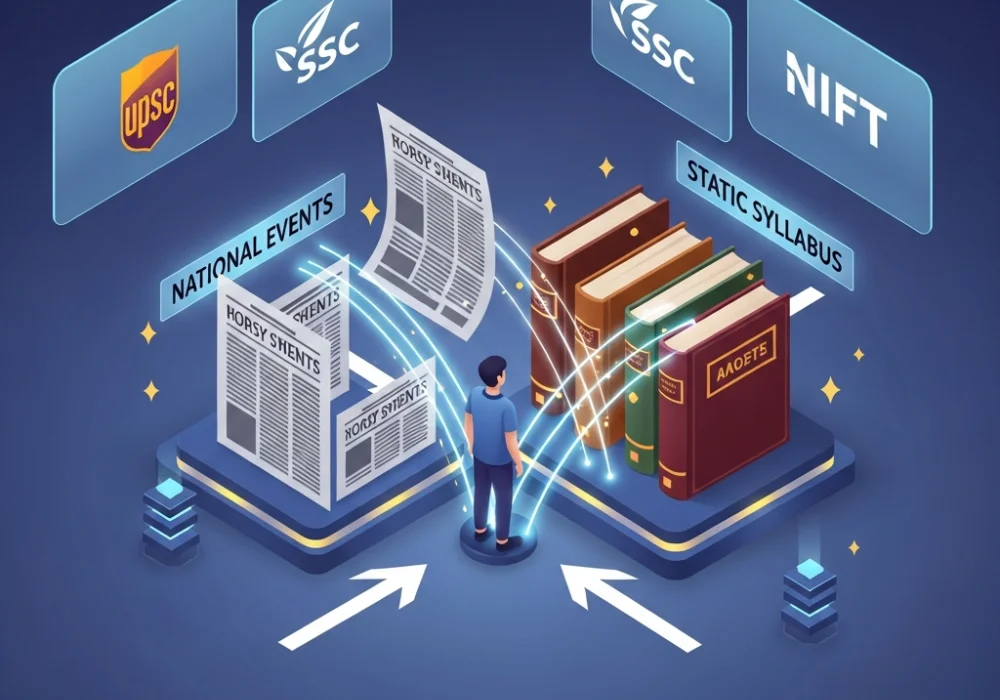
Master SSC/PSC syllabus with our comprehensive guides and Kerala PSC resources.
Crack design exams: NIFT GAT & NID DAT.
Stay updated: Daily Current Affairs and Daily News Quiz.
Strengthen basics: Static GK Guide.
Last-minute tips: Exam Preparation Guide.
Read More Topics