Translate Language
What Makes India’s Organ Donation Framework a Global South Blueprint?
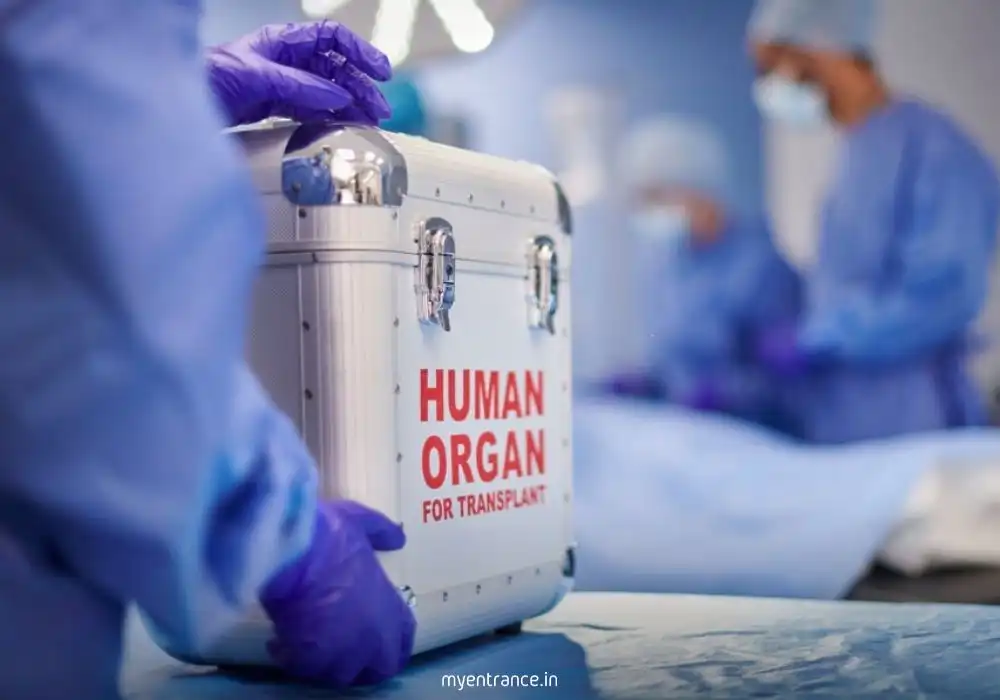
Organ transplantation epitomizes medical advancement and human solidarity. India’s transformative 1994 Transplantation Act created a legally robust, ethical ecosystem unmatched in the Global South. With institutions like NOTTO and TRANSTAN, India’s model offers actionable lessons for emerging economies.
Section 1: The 1994 Act – India’s Legislative Masterstroke
India’s journey began with the Transplantation of Human Organs and Tissues Act (1994), a revolutionary step among developing nations. This legislation achieved four milestones:
Legalized brain death certification.
Banned commercial organ trade.
Mandated hospital registration and oversight.
Introduced transplant coordinators as key facilitators.
This framework transformed organ donation from ad-hoc procedures to a structured, ethical system—setting a precedent for nations grappling with organ trafficking and transparency issues.
Section 2: Institutional Architecture – NOTTO, ROTTOs & SOTTOs
India’s three-tiered institutional network ensures seamless coordination:
NOTTO (National Organ and Tissue Transplant Organisation): Drives policy, awareness, and research.
5 ROTTOs (Regional Organ and Tissue Transplant Organisations): Oversee inter-state logistics.
21 SOTTOs (State Organ and Tissue Transplant Organisations): Manage local donor-recipient matching.
This pyramid integrates 966 hospitals (transplant centers, retrieval units, and tissue banks), enabling real-time organ allocation through standardized protocols. The result? Reduced wastage and equitable access.
Section 3: Trust-Building Mechanisms – Ethics & Transparency
India’s system prioritizes trust via rigorous safeguards:
Brain Death Certification: Requires consensus from 4 specialists, including neurologists.
Transplant Authorisation Committees: Interview living donors to prevent coercion.
Trained Coordinators: Counsel grieving families empathetically during donations.
Such protocols reassure families that their loved one’s organs will save lives ethically—not feed illicit markets.
Section 4: Public-Private Synergy – The NGO Advantage
India leverages NGOs and private hospitals to amplify reach:
Organizations like the MOHAN Foundation train coordinators and manage donor registries.
Partnerships streamline organ transportation, consent documentation, and public awareness.
For instance, Tamil Nadu’s TRANSTAN (established via state-NGO collaboration) boosted its deceased donation rate to 1.8 per million—triple the national average.
Section 5: Replicable Success – Lessons for Developing Nations
India’s replicable policy template includes:
Enact central laws defining brain death and criminalizing organ trade.
Create accountability bodies (e.g., Transplant Authorisation Committees).
Pilot programs in high-capacity hospitals (like Andhra Pradesh’s Jeevandan scheme).
Offer non-financial incentives: Funeral support, state honors for donors.
As annual donations grew 200% (2013–2022), India proved scalable solutions exist even in resource-constrained settings.
Q&As for Competitive Exams:
Q1: What is NOTTO’s primary role in India’s organ transplant system?
A1: NOTTO coordinates national organ allocation, maintains donor registries, and leads awareness campaigns to prevent organ failure. Explore key institutions in our Static GK Guide.
Q2: How does the 1994 Transplantation Act combat organ trafficking?
A2: It bans commercial organ trade and mandates interviews by Transplant Authorisation Committees for living donations. Revise laws for PSC Exams.
Q3: Why is Tamil Nadu’s TRANSTAN a model for other states?
A3: TRANSTAN’s mandatory brain death certification and transparent registry system elevated deceased donations to 1.8 per million people. Track such initiatives via Daily Current Affairs.
Q4: Name two critical functions of transplant coordinators.
A4: They identify potential donors and counsel families during crises. Similar roles are discussed in NIFT GAT case studies.
Q5: How did Andhra Pradesh increase deceased organ donations?
A5: Its Jeevandan programme used mobile coordinator teams, funeral support, and state honors for donor families. Test your knowledge with our Daily News Quiz.
Key Takeaways for Aspirants:
India’s organ transplant framework is a recurring theme in UPSC/SSC essays and PSC interviews for its ethical, scalable governance. Aspirants should note:
Keywords: NOTTO, ROTTOs, THOTA Act 1994, brain death certification.
State models: Tamil Nadu (TRANSTAN), Andhra Pradesh (Jeevandan).
For last-minute revisions, use our Exam Preparation Guide.
Read More Topics