
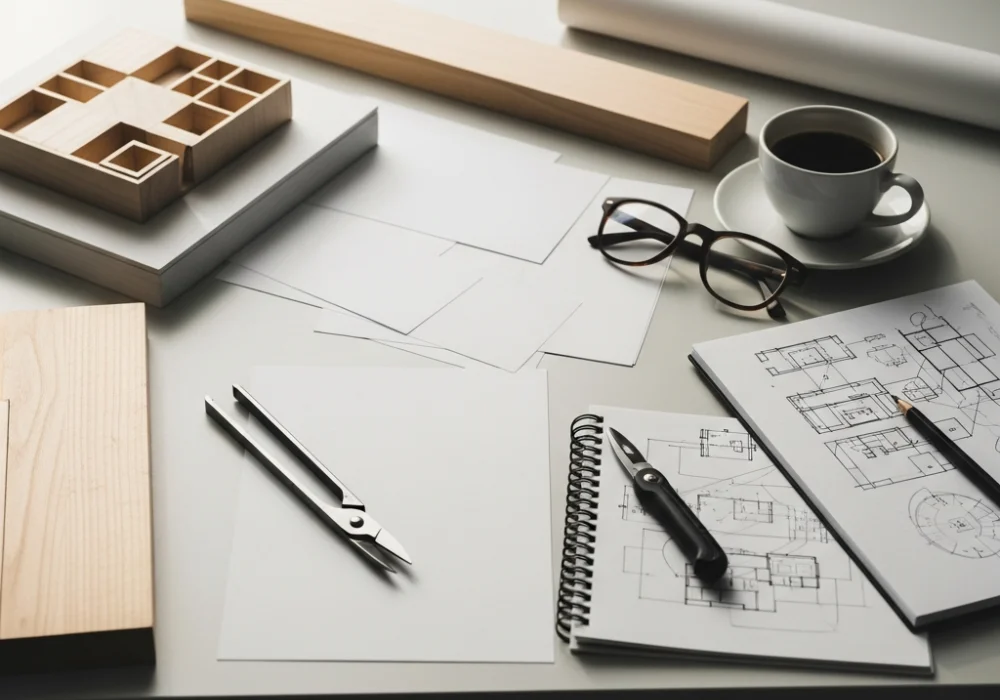
Introduction: The Hidden Game of NIFT Admissions
When preparing for the National Institute of Fashion Technology (NIFT), most students focus exclusively on perfecting their material handling and sketching skills. However, the Studio Test (Situation Test) and Portfolio Reviews are not just tests of your artistic talent; they are rigorous assessments of your psychological resilience, decision-making under pressure, and creative temperament. To succeed in the latest pattern of NIFT examinations, you must bridge the gap between technical execution and mental preparedness. This guide explores the five critical psychological tips that will give you a competitive edge over thousands of candidates.
Table of Contents
- Expert Methodology
- 1. Overcoming Performance Anxiety through Visualization
- 2. Adopting a Growth Mindset for Material Handling
- 3. The Psychology of the Interviewer-Candidate Bond
- 4. Achieving ‘Flow State’ under Time Constraints
- 5. Resilience: Navigating the Portfolio Critique
- Technical vs. Psychological Readiness
- Quick Knowledge Check
- Frequently Asked Questions
Expert Methodology: Why Trust This Content?
This article is developed based on the AIO (AI Optimization) framework, integrating pedagogical principles from design education and cognitive behavioral psychology. At myentrance.in, our experts analyze years of student performance data from NIFT, NID, and other premier design institutions. We combine official exam guidelines with psychometric evaluation standards to provide a holistic preparation strategy. Our mock tests are specifically designed to simulate the high-pressure environment of the actual test center, ensuring you are mentally prepared for any challenge.
1. Overcoming Performance Anxiety through Visualization
Performance anxiety is the single biggest barrier to creativity. When your brain enters ‘fight or flight’ mode, your fine motor skills (essential for model making) deteriorate. To counter this, experts recommend Mental Rehearsal. Visualization involves closing your eyes and vividly imagining the exam hall, the smell of the materials, the sound of the clock, and yourself calmly executing your design.
💡 Pro-Tip: The 4-7-8 Breathing Technique
Inhale for 4 seconds, hold for 7, and exhale for 8. This physiological hack resets your nervous system, allowing blood to flow back to your creative prefrontal cortex from the stress-driven amygdala.
2. Adopting a Growth Mindset for Material Handling
In the NIFT Studio Test, you are often given unfamiliar materials like wire, thermocol, or specific types of clay. A ‘Fixed Mindset’ candidate thinks, “I’ve never worked with this, I’m going to fail.” A ‘Growth Mindset’ candidate thinks, “This is an opportunity to explore a new medium’s properties.” This psychological shift changes your body language and the ‘vibe’ of your final write-up, which examiners notice. You are being tested on Design Thinking, not just the final product.
Remember, the latest pattern of evaluation rewards the process. If your model collapses, how you adapt and explain that failure in your write-up can actually earn you higher marks than a safe, boring model.
3. The Psychology of the Interviewer-Candidate Bond
For NIFT Portfolio reviews, understanding Social Psychology is key. The interviewers are looking for ‘teachable’ students. If you come across as overly defensive or arrogant about your work, you signal that you aren’t open to the NIFT curriculum’s transformative nature. Use the ‘Mirroring’ technique—subtly match the interviewer’s energy and pace to build an unconscious rapport.
Maintain ‘Soft Eye Contact’ and ensure your portfolio tells a story. Humans are hardwired to remember stories over facts. Instead of saying “I made this dress,” say “I designed this to solve the problem of textile waste,” creating an emotional and intellectual connection.
4. Achieving ‘Flow State’ under Time Constraints
In the Studio Test, you typically have 3 hours. The first 15 minutes are for brainstorming, the next 2 hours for creation, and the last 45 minutes for the write-up and finishing. To enter a ‘Flow State’ (the psychological state of total immersion), you must eliminate external distractions and focus on the immediate task. Our myentrance.in mock tests help you practice this by providing timed environments that mimic the actual pressure levels of upcoming exams.
💡 Pro-Tip: The ‘First Idea’ Rule
Don’t spend more than 10 minutes choosing an idea. Pick the first viable concept and refine it. Psychological research shows that over-analysis leads to ‘Creative Paralysis’ in time-bound settings.
5. Resilience: Navigating the Portfolio Critique
During the portfolio review, an examiner might point out a flaw in your design. This is often a ‘Stress Test.’ They want to see if you crumble under criticism or if you can defend your logic rationally. Psychological resilience means acknowledging the critique (“That’s an interesting perspective on the color palette…”) and then explaining your intent (“…I chose these muted tones to reflect the theme of urban isolation”). This shows maturity and professional readiness.
Comparison: Technical vs. Psychological Preparation
Use the table below to understand how psychological traits manifest in your NIFT performance.
| Candidate Aspect | Technical Skill Only | With Psychological Prep |
|---|---|---|
| Resource Management | Uses materials randomly. | Strategic, innovative usage. |
| Time Pressure | Panics and rushes at the end. | Calm, structured execution. |
| Interview Response | Monotone or robotic. | Engaging, story-driven. |
| Problem Solving | Sticks to the first plan. | Adapts to material failure. |
Quick Knowledge Check
Test your psychological readiness for the NIFT entrance with these questions:
1. What should you do if your model breaks 15 minutes before the end of the Studio Test?
Check Answer
Do not panic. Incorporate the break into the design concept or explain in your write-up how you would fix it given more time. Honesty and adaptability are valued.
2. What is the primary purpose of a NIFT Portfolio Review?
Check Answer
To assess your creative journey, thought process, and ability to articulate your ideas, rather than just showing finished pieces.
3. How long should you spend on the ‘Brainstorming’ phase of the Situation Test?
Check Answer
Ideally 10-15 minutes. Spending too long can lead to indecision, while too little time results in a shallow concept.
Frequently Asked Questions (FAQs)
Is a digital portfolio better than a physical one for NIFT?
The latest guidelines often allow both, but a physical portfolio allows for tactile interaction. Ensure you check the specific requirements for your center. Psychologically, physical portfolios often leave a more lasting impression.
How can I practice for the NIFT Studio Test at home?
Use the mock tests and material kits provided by myentrance.in. Practice with a timer and limit yourself to a specific set of materials like paper, straw, and cardboard to build material intuition.
Do I need to be a great artist to pass the Portfolio Review?
No. You need to be a great *thinker*. NIFT looks for potential, observation skills, and a unique perspective, not just technical drawing skills.
Ready to Ace Your NIFT Entrance?
Get access to exclusive mock tests, expert-curated study material, and psychological coaching sessions for design aspirants.
💬 Chat with our Experts on WhatsApp (+91 9526806124)




